
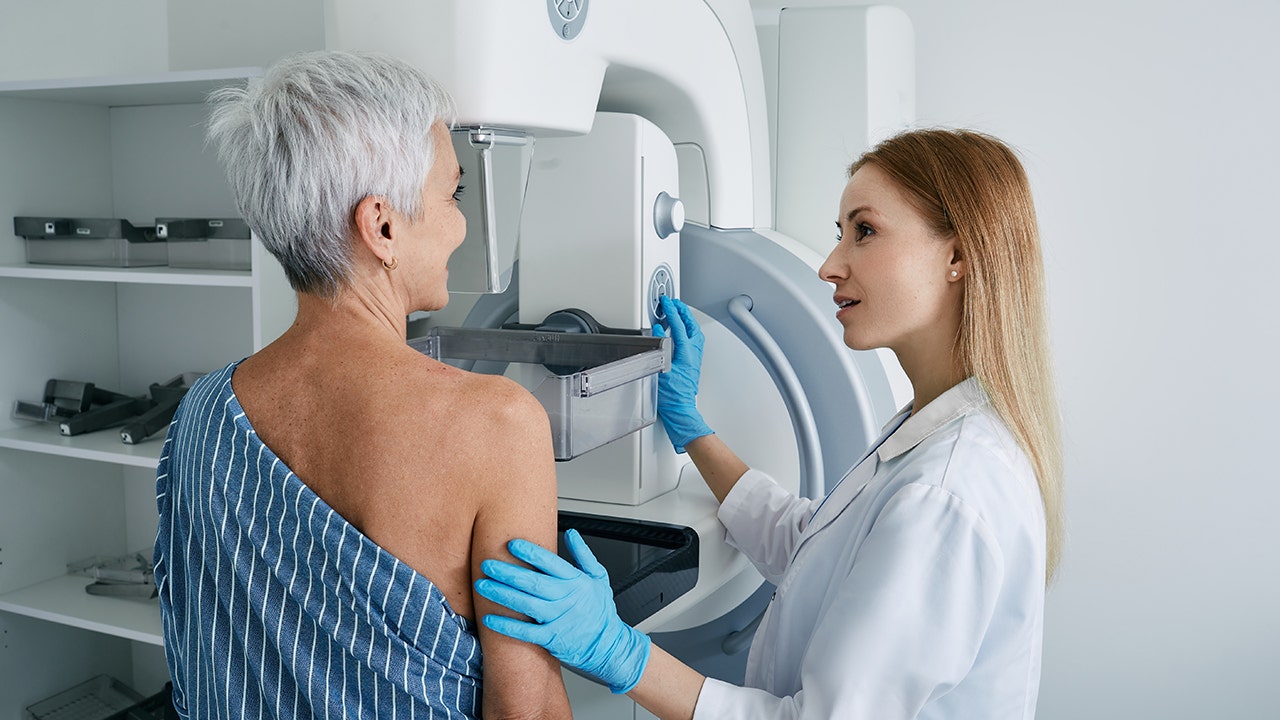
Breast cancer risk may not stay hidden as long as people once thought. A new wave of AI research suggests that subtle patterns inside mammograms could flag danger years before a diagnosis ever arrives, opening the door to earlier conversations, smarter screening, and a more individualized approach to care.
Researchers at NYU Langone Health tested an AI model built to estimate whether a woman might develop breast cancer within five years. The study, published in the American Journal of Roentgenology, drew on more than 313,000 mammograms from over 161,000 women, giving the system a massive pool of real-world imaging to learn from.
What makes the approach stand out is simple but important: it does not stare only at the latest scan. Instead, it examines several years of 3D mammograms to follow changes in breast tissue over time, which can reveal patterns a routine review might miss.
That matters because breast cancer risk is not always obvious from family history alone. Some women have no known genetic red flags, no dramatic warning signs, and still end up facing a diagnosis that feels like it came out of nowhere.
Connie Lehman, a breast imaging specialist and professor of radiology at Harvard Medical School, said tools like this may help uncover risk that would otherwise slip through the cracks. She pointed out that traditional assessments usually focus on known factors such as family history and genetic mutations, while AI can search for quieter clues buried in breast tissue.
“For decades, as a doctor and breast imaging specialist, I have cared for women who were shocked by a breast cancer diagnosis,” Lehman said. “Again and again, I heard: ‘How can this be? No one in my family has had breast cancer.'” That kind of surprise is exactly what researchers hope better prediction tools can reduce.
Lehman also said a mammogram can say more than whether a tumor is visible right now. It may offer a look at future risk too, which could help doctors steer patients toward the right level of follow-up instead of treating every woman the same way.
If that promise holds up in broader testing, the impact could be practical and immediate. Women flagged as higher risk might discuss extra screening, including MRI, while those at average risk could continue with routine mammograms and avoid unnecessary alarm.
The technology may have another advantage too: it can potentially review scans a woman has already had. That means added risk information could come without another imaging appointment or extra radiation, which keeps the idea appealing from both a safety and convenience angle.
Still, AI is not a crystal ball. Lehman stressed that a risk score is not a diagnosis, and it cannot say with certainty whether someone will develop breast cancer, only whether the odds may be higher or lower than expected.
“A higher score can prompt a conversation with your health care provider about additional screening and risk-reduction options,” she said. “A lower score does not eliminate risk or replace regular mammography.” In other words, the tool is meant to guide decisions, not make them for patients or doctors.
The NYU model is still a research tool and is not FDA-authorized for clinical use. That leaves plenty of room for caution, even as the early results feed growing optimism about how AI could sharpen breast cancer screening in the years ahead.
The researchers also want more testing before anyone calls this a finished product. Their current data came from NYU Langone hospitals and imaging equipment from one manufacturer, so the next step is to see whether the model holds up across other centers and different 3D mammography systems.
That next round of testing will matter a lot, because medical tools can look strong in one setting and stumble in another. If the model stays reliable across broader populations and different machines, it could become one more way doctors spot trouble earlier and better match screening to the woman sitting in front of them.
