
• Supreme Court climate lawsuit fight
• Possible fallout for oil companies and gas prices
• Boulder’s state-law theory and federal preemption concerns
• How many governments could sue next
• Wider impact on energy, businesses, and consumers
A Supreme Court fight over climate-change lawsuits is stirring big fears inside the energy world, where executives and legal experts say a ruling for Boulder could unleash a flood of claims against oil companies and ripple straight into household fuel costs. At the center of the dispute is whether cities and states can use state law to seek massive damages for climate-related harm tied to emissions that crossed borders. The stakes are not just legal, because the outcome could reshape how far these cases spread and who ends up paying the price.
Jason Isaac, CEO of the American Energy Institute, warned that the damage could go far beyond the companies named in the lawsuit. He said a wave of litigation could push businesses out of the market, tighten fuel supply, and send prices higher for drivers already feeling squeezed. “You would see mass exodus and that would create more scarcity with fuel, more so than we’re seeing already today, higher prices,” Isaac said. “And that’s really what this is about. It’s about controlling these companies and stopping the use of hydrocarbons.”
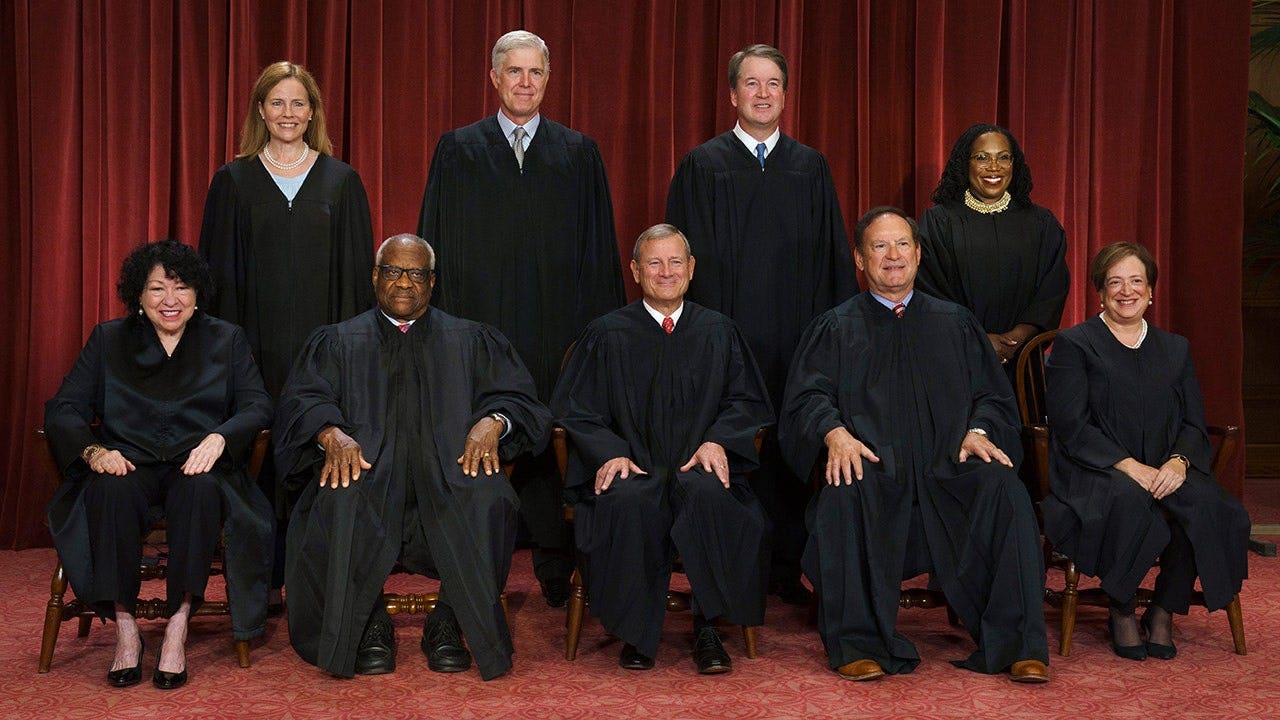
The Supreme Court heard arguments in Suncor v. Boulder, a case asking whether federal law blocks cities and states from suing oil companies under state law for alleged climate harms caused by emissions that do not stay neatly inside one state. During the hearing, Justice Clarence Thomas pressed Boulder’s lawyer on whether that theory could reach far beyond fossil fuel producers. The concern was obvious: once the door opens, it may not stop with oil and gas.
That concern got louder when Justice Brett Kavanaugh suggested the litigation could become so broad that it might bankrupt defendants. His point was simple and sharp: if one industry can be hit this way, why not manufacturers, retailers, or anyone else tied to emissions in some indirect way? The question cut to the heart of the case, because the line between targeted accountability and open-ended liability is getting awfully blurry.
Boulder and the county behind the suit say ExxonMobil and Suncor Energy knew for years about the risks tied to fossil fuels and still misled the public. The municipalities want money to cover what they describe as mounting climate-related costs within their borders. Similar cases are already on the books in places like Portland and Baltimore, which has fueled worries that a ruling in Boulder’s favor could invite a fresh round of copycat suits nationwide.
The complaint points to old internal company documents, including a 1977 ExxonMobil memo that reportedly said “current scientific opinion overwhelmingly favors” that fossil fuels contribute to rising CO2 emissions. Boulder’s side argues that this is not some sneaky attempt to set national climate policy through the back door. Instead, the city says states have always had the power to address injuries suffered inside their own borders, even when the conduct at issue happened elsewhere.
That argument is exactly what critics reject. O.H. Skinner of the Alliance for Consumers said the lawsuits amount to a workaround after climate taxes and similar ideas failed in Congress. “When you really boil it down, and you separate it from all the legal arguments, the advocates who push these cases are very clear,” Skinner said. “That it’s an effort to get a backdoor carbon tax, because carbon taxes have never passed in Congress, or to bankrupt the energy industry.”
The worry is not limited to the companies already named in the case. Isaac said a win for Boulder could create what he called a “Pandora’s box,” giving thousands of government entities the green light to launch their own actions. “There are over 90,000 levels of government — government entities just in the United States alone — that could also begin lawsuits against energy companies,” Isaac said. “Driving up cost to consumers because the cost to defend those would be astronomical.”
That possibility has lawmakers and attorneys watching the case closely, especially because the target list could stretch well beyond oil producers. Skinner said the logic could reach gas stations, automakers, utilities, and other businesses tied to the energy chain. If that happens, the fight stops looking like one lawsuit and starts looking like a roadmap for a much bigger campaign.
ExxonMobil and Suncor are pushing back hard, arguing that emissions move globally and cannot be pinned on one company through state law alone. Their position is that these disputes belong under federal rules, not a patchwork of local court battles. Meanwhile, some states have already moved to block these kinds of claims, a sign that the country is nowhere near settled on how far climate litigation should go.
Utah Attorney General Derek Brown said the fallout could hit consumers fast if Colorado prevails. “If the energy companies were to lose and Colorado were to win, this would in effect drive up the prices of gas all across the country,” Brown said. “And so those kind of decisions ultimately, it’s the province of Congress.” With Justice Samuel Alito recused, the court’s next move could carry even more weight for an energy market already on edge.
