
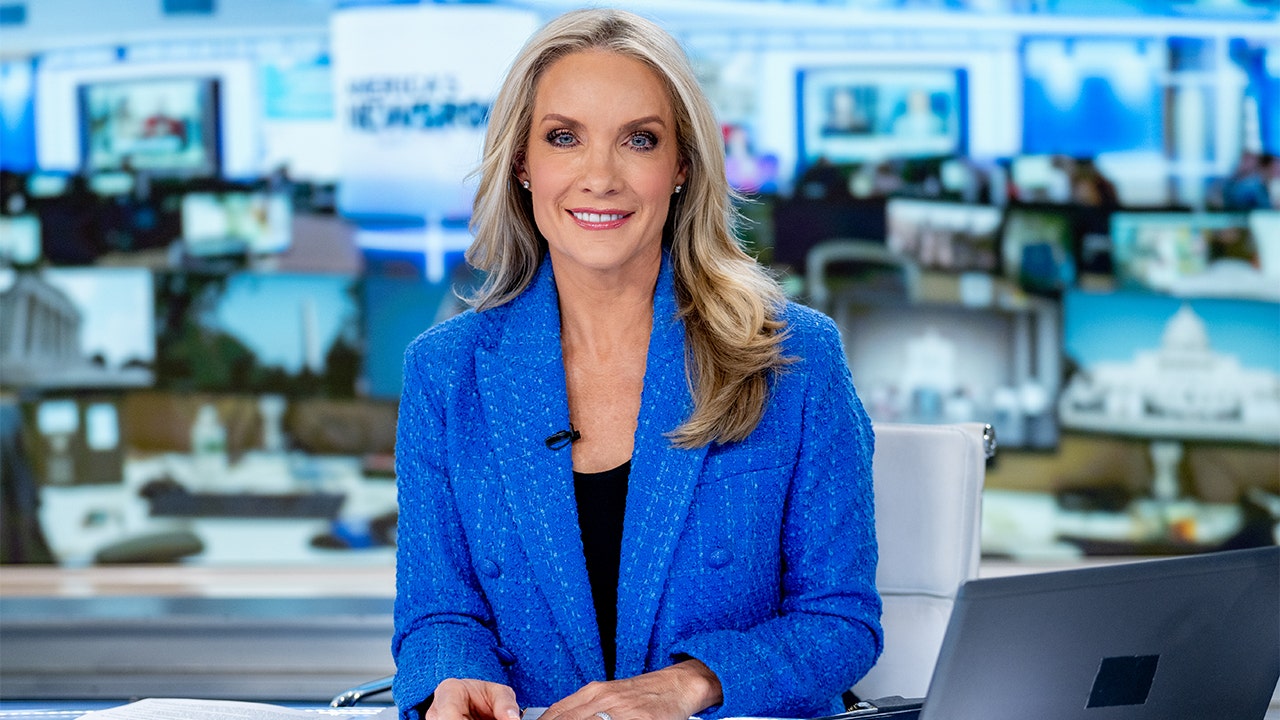
Fox News reaching a 30-year milestone is really a story about people, not just a brand. The polished moments on screen depend on a huge behind-the-scenes engine, and that engine runs on discipline, chemistry, and a lot of quiet heroics.
From the outside, the operation can look smooth and almost effortless. In reality, every live hour depends on teams that prepare early, adapt fast, and keep the whole machine steady when the news changes in a heartbeat.
What stands out most is how many hands shape a single broadcast. Producers build the rundown, researchers chase facts, graphics teams make the story easier to follow, and technical crews make sure the signal, pictures, and timing all hold together under pressure.
That kind of support gives hosts and anchors the confidence to do their jobs well. When a breaking story hits, they know the groundwork is already there and the people around them are ready to pivot without missing a beat.
The everyday atmosphere matters too. Small rituals, morning greetings, and familiar faces in the hallways turn a workplace into something warmer, while security staff, custodial teams, and assistants keep the place moving in ways viewers never see.
There is a real rhythm to that kind of environment. The people who help with schedules, research, logistics, and all the little emergencies become the ones everyone leans on when the day gets chaotic.
That same spirit shows up in live news coverage, where emotion and urgency can collide in seconds. One especially memorable interview involved an Afghan witness to the Abbey Gate bombing who had helped carry an injured child to safety, a moment that underscored how raw and human the job can be.
In that kind of setting, the voice in a producer’s ear can matter as much as the questions on camera. Calm reassurance, quick judgment, and total focus can keep an interview going when the emotions are almost too much to hold in.
The work also depends on people who handle the unglamorous but essential parts of the job. Wardrobe, hair and makeup, stage managers, lighting crews, directors, camera operators, and field teams all help create the polished final product that audiences take in without thinking twice.
Those roles are not decorative. They are the difference between a broadcast that feels shaky and one that feels sharp, confident, and ready for anything, whether the set is a studio, a convention hall, or a makeshift location on the road.
Longtime coworkers often become more than coworkers. They turn into trusted friends who know when to push, when to joke, and when to give someone space after a hard night or a rough stretch in life.
That kind of closeness builds over years of working through deadlines, holidays, breaking news, and personal milestones together. Marriages, babies, losses, and family grief all become part of the same shared history, which is why the bond feels bigger than a job.
The network’s growth has also depended on its ability to stretch beyond television. Radio, podcasts, and digital platforms now carry the same core mission into new spaces, reaching people wherever they are and keeping the brand moving with the times.
Even with all the tech changes, the basic formula has not changed much. Good television still comes down to smart people, fast instincts, and a culture that rewards preparation, accountability, and pride in getting it right.
That is what gives a long-running network its staying power. The cameras may capture the faces on screen, but the real momentum comes from the teams working just outside the frame, making sure the show can keep rolling no matter what the day throws at it.
