
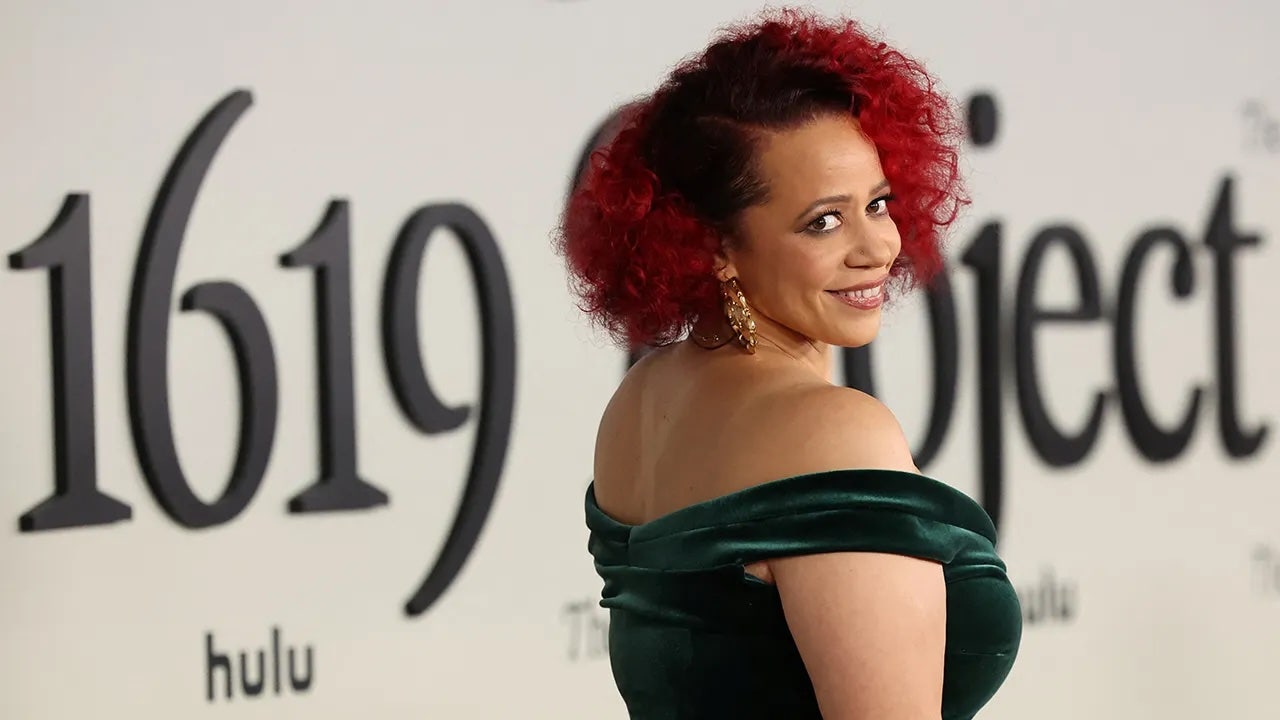
• Hannah-Jones’ public break with her own school-choice rhetoric
• The reality of New York City public schools and stalled reform
• How progressive education ideals collide with family needs
• The role of unions, discipline, and admissions “screens”
• Why charter schools and alternatives keep resurfacing in the debate
Nikole Hannah-Jones built a career arguing that local public schools should be the answer for every child, especially in Black communities. But her recent reflections on her daughter’s education land like a hard slap of reality, showing how fast lofty ideology can crumble when a family is faced with the day-to-day mess of a failing school.
Her essay makes one thing clear: theory sounds great until it has to carry a child through crowded classrooms, weak instruction, and low expectations. In her own telling, she tried to live by the same principles she promoted publicly, sending her daughter to the neighborhood school and trusting that commitment alone would make it work.
That trust did not hold up for long. The school experience she describes is a familiar one to a lot of parents, with teachers who seemed checked out, behavior that went unchecked, and a system that looked more interested in maintaining the image of fairness than delivering an actual education.
What makes the story sting is that Hannah-Jones spent years arguing against school choice and against the idea that families should look elsewhere if the assigned school was not serving their child. Yet the moment the consequences became personal, the whole argument turned thin and brittle, the kind of policy stance that sounds noble right up until it becomes your problem.
New York City is the perfect backdrop for that clash. It has long been a showcase for progressive education policy, from reduced admissions standards to deep influence from the teachers’ unions, and the results have been hard to ignore for families who want more than slogans.
Middle school admissions in the city have been reshaped over time, with competitive measures like grades, attendance, and test scores pushed aside in the name of equity. On paper, that can sound compassionate, but in practice it often leaves disciplined, high-performing students stuck in the same system as classmates whose behavior drags everyone down.
That is the part many reformers refuse to say out loud. Schools need order, standards, and adults willing to enforce both, because children learn from structure as much as from curriculum. If a classroom becomes a place where disruption wins and effort is treated like an afterthought, the students who want to learn end up paying the price.
Hannah-Jones also runs into the classic contradiction at the heart of many progressive education arguments. Integration is celebrated when it fits the narrative, but when a child needs guidance about elite colleges or better options, the advice suddenly shifts toward a historically Black institution, because one-size-fits-all principles start to wobble under real pressure.
The same pattern shows up in how charter schools are treated. They are often attacked as a threat to the public system, even when they are producing stronger results for students from similar backgrounds and incomes, which leaves families wondering why success is treated like a problem instead of a model.
That tension gets sharper in places where public schools have become captive systems. When charter growth is capped, gifted programs are narrowed, and ineffective staff are protected, parents are left with a menu of bad choices and told to be grateful for the privilege.
Hannah-Jones’ criticism of school discipline is another example of the disconnect. She seems to see constant redirection as a failure of compassion, but for many classrooms it is the only thing standing between learning and chaos, especially when a few students dominate the room and the rest are forced to wait.
There is also the uncomfortable question of accountability. If teachers cannot be fired, if standards keep dropping, and if complaints are always explained away as bias, then the system has no pressure to improve, only incentives to defend itself.
That is why her essay struck such a nerve. It did not just expose frustration with one school, but a deeper clash between public rhetoric and private reality, between what progressives say should work and what families actually need when their kids are sitting in the classroom every day.
The whole episode lands with a kind of brutal honesty, even if it was probably not meant that way. Parents want schools that teach, order that holds, and doors that stay open for the kids who are ready to go further, and that demand keeps getting louder each time an ideology meets a real child in a real school.
