
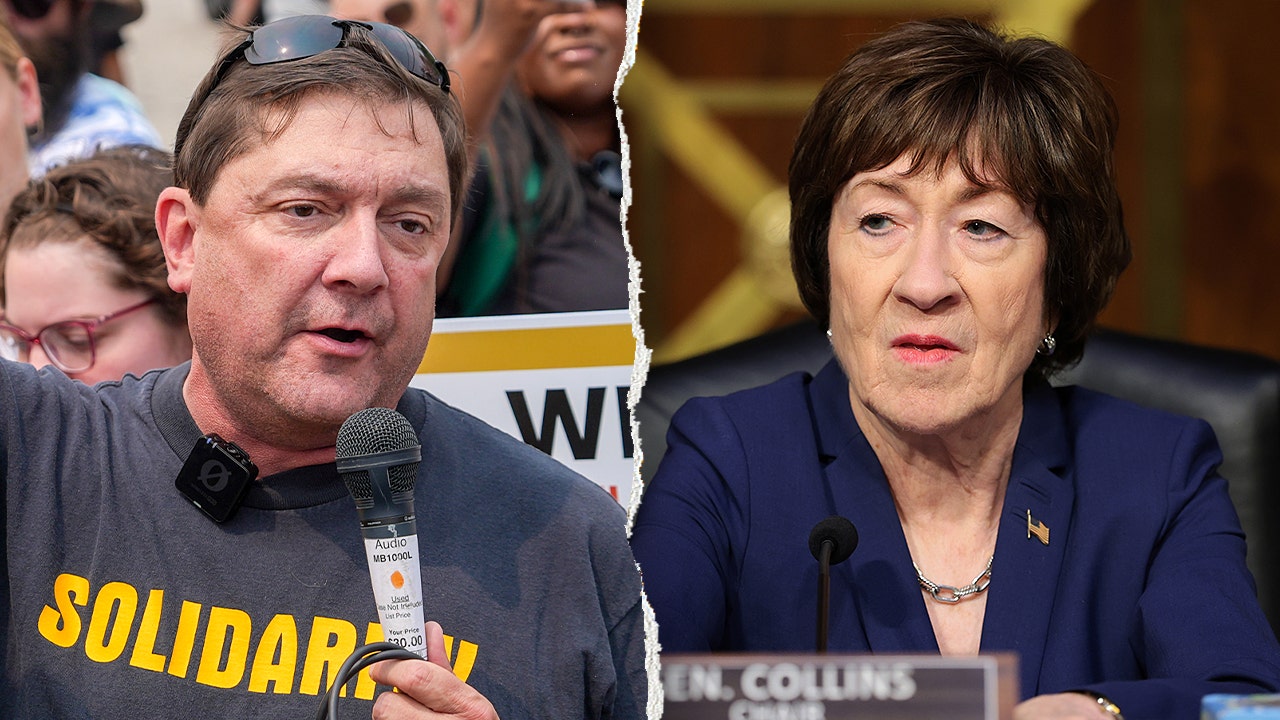
Here’s the twist in Maine’s Senate race: Susan Collins is still standing in a state that keeps leaning blue, and a fresh poll shows she has a narrow edge anyway. The numbers also show a bigger picture that is much less friendly to Republicans, with Democrats favored on generic Senate control even as Collins keeps her own race tight and competitive.
Collins is seeking a sixth six-year term and holds 49% support among likely voters, while Democrat Troy Jackson sits at 46% with 5% still undecided. That small lead falls inside the margin of error, but it matters because it is one of the first surveys to show Collins ahead since Jackson replaced Graham Platner as the party’s nominee.
The Democratic side has made Collins a prime target, betting that a win in Maine could help them claw back Senate control. The state is not easy terrain for Republicans, yet Collins continues to outperform expectations in a place where national trends often run against her.
Platner’s abrupt exit changed the race fast. He had won the June primary decisively, but stepped down after an explosive report that included an allegation of rape from a former partner, a charge he denied before leaving the contest.
Jackson then moved into the nomination after winning a special convention, and he entered the race with plenty of baggage of his own. Media scrutiny followed him over claims about temperament, workplace behavior, mortgage issues, and his hardline past on abortion, all of which gave Collins fresh material to work with.
The poll landed just as Collins was pushing back hard against a ProPublica report about a possible pay-to-play investigation. She blasted the story as “offensive” and a “partisan hit job” tied to Democrats, while Jackson used social media to fire back with his own attack, saying that “Susan Collins is blatantly corrupt.”
Even with Democrats favored overall on Senate control, Collins’ personal standing remains sturdy. The survey put her favorable rating at 51% to 48%, while Jackson was underwater at 41% favorable and 49% unfavorable, a sharp reminder that voters can split their feelings about the party and the person on the ballot.
That split is the whole story here. Democrats may like their odds nationally, but Collins has built a brand around surviving bad weather, and Maine voters have repeatedly shown they are willing to separate her from the larger Republican tide.
Collins also benefits from a political profile that is more independent than the usual party-line Senate incumbent. She has broken with Trump on major issues, including tariffs against Canada and a recent vote against Attorney General Todd Blanche’s confirmation, even while still being counted as one of the GOP’s most important votes in the chamber.
At the same time, Democrats have plenty of reasons to keep hammering her. They have gone after her for backing Supreme Court Justice Brett Kavanaugh in 2018, for supporting ICE funding after a deadly shooting in Maine this summer involving immigration agents, and for being a reliable obstacle when they are trying to reshape the Senate map.
The 2024 presidential result also hangs over the race. Trump lost Maine, inflation remains a pain point, fuel prices are still biting, and foreign policy tensions keep adding noise to the national environment, all of which make the political air rough for an incumbent Republican in the Northeast.
Still, Collins has a habit of outrunning the numbers. Six years ago she was behind Sara Gideon in much of the polling, then went on to win re-election comfortably even as Joe Biden carried the state, and that memory is fresh enough to keep both parties guessing.
The new polling came from the New York Times/Siena survey, conducted with the Portland Press Herald and supported in part by the Maine Trust for Local News, and it questioned 619 likely voters. It also showed Democrats leading in two other crucial Senate races, with Chris Pappas ahead in New Hampshire and Abdul El-Sayed up in Michigan, which only adds more pressure to the GOP side of the map.
That broader landscape makes Maine feel even more important, because Collins is one of the few Republicans still capable of turning a tough state into a live race. The fight now sits right where she usually wants it, close enough to be tense, messy, and very much unresolved.
