
• EPA rollbacks and their impact on manufacturers
• Concerns about Biden-era emissions rules
• The push for lasting permitting reform
• The problem of regulatory uncertainty
• Why manufacturers want a seat at the table
• How cleaner air goals can still fit with growth
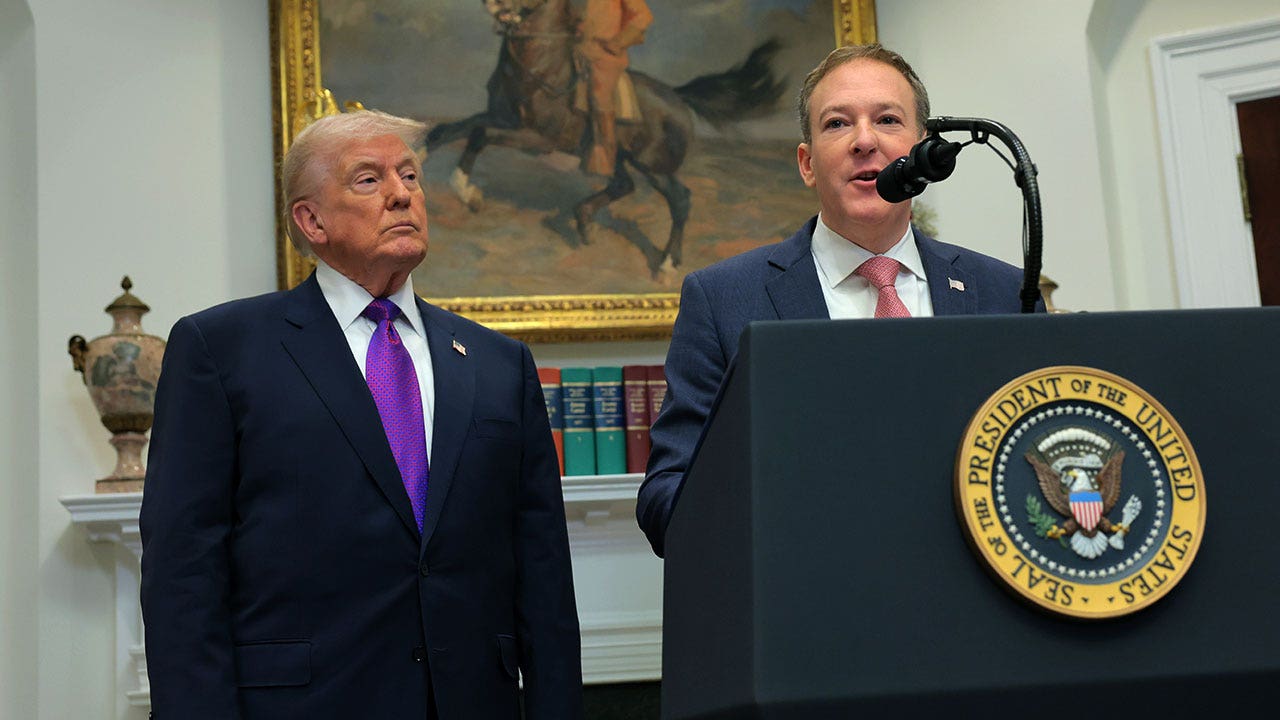
The Trump administration’s decision to pull back a broad set of Biden-era power plant emissions rules landed like a shot of adrenaline for manufacturers. Industry leaders say it clears away a major source of pressure and sends a very different message from Washington, one that sounds more interested in production than punishment.
Jay Timmons, who leads the National Association of Manufacturers, said the move matters because companies need policy that matches reality. He praised EPA Administrator Lee Zeldin for making the cut, while also making it clear that the burden on industry is still too heavy in other places.
For manufacturers, the biggest issue is not just one rule. It is the larger pattern of stacked requirements, shifting deadlines, and agencies that seem to expect factories and power users to absorb huge costs without slowing down.
Timmons said the changes to power plant standards showed that the administration was paying attention to business concerns. That kind of signal matters because manufacturers plan years ahead, and they do not make major investment decisions on a whim.
He also pointed out that the industry had already pushed back hard against the Biden administration’s 2024 standards. In his view, those rules were simply not workable on the timeline that was set, even if the stated goals sounded noble.
That part is where the argument gets sharper. Cleaner air and a healthier environment are not the fight, and nobody serious is pretending they are. The real fight is over whether the government can demand fast change without giving manufacturers a realistic path to comply.
Timmons said the Biden team heard the complaints but chose to disagree. That left industry stuck with a policy climate that felt less like cooperation and more like a marathon of paperwork, deadlines, and uncertainty.
And uncertainty is the poison pill. When companies do long-range planning, they need stable rules, stable costs, and a decent sense of what comes next, not a constant swing from one administration to the next.
That swing is exactly what manufacturers want to avoid now. A rule can be rewritten with the stroke of a pen, but factories, equipment, labor plans, and supply chains do not move that fast, which is why executive action alone only goes so far.
Permitting reform is the other big piece of the story. NAM polling found that 80% of manufacturers say the length and complexity of permitting hurts investment, which is a huge problem when companies are trying to build, expand, and hire in the United States.
The numbers get even more striking from there. NAM says 87% of manufacturers would be ready to expand operations, bring on more workers, or improve pay and benefits if the permitting process were simpler and faster.
That is the kind of bottleneck that slows everything down before a project even gets started. It can leave promising investments trapped in review while competitors in other places move ahead without the same drag.
Timmons said Congress needs to hear directly from manufacturers when writing the next round of policy. In his view, businesses should not be treated like bystanders when the rules of the road are being drafted, especially when those rules shape jobs, energy, and investment.
He also argued that cleaner air and cleaner water are still the goal, just not through a system that kneecaps production. Manufacturers, he said, want to be part of the solution, and they want a process that lets them do it without getting buried under red tape.
