
Trump’s shake-up at the Pentagon has reignited a familiar argument about how much control a president should have over military leadership, and how much turnover is too much. The latest departures have put Army Secretary Dan Driscoll’s exit and Defense Secretary Pete Hegseth’s style under a bright light, with critics warning about instability while supporters see a long-overdue reset.
The core of the fight is simple enough: some lawmakers believe the speed of change is rattling the upper ranks of the armed forces. Others argue that presidents are supposed to choose the people they trust, especially when they want a sharper break from the old guard and a more aggressive focus on readiness.
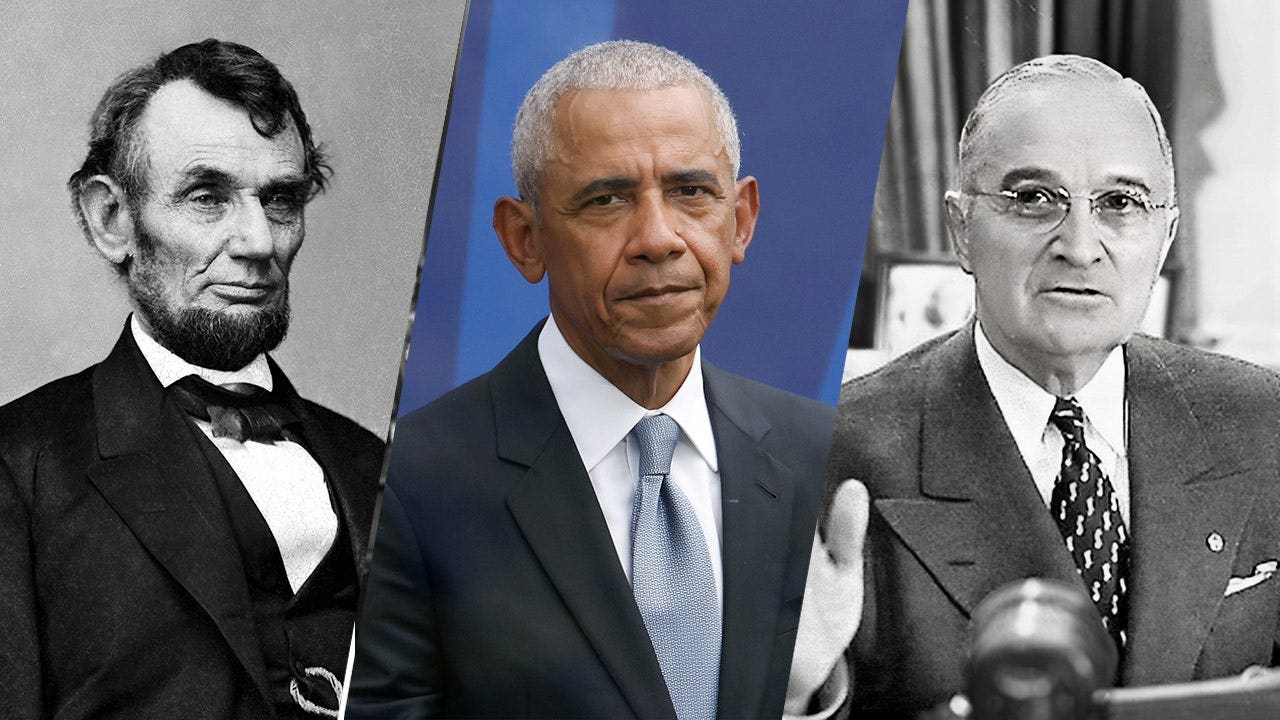
That tension is hardly new. From Abraham Lincoln to Harry Truman, presidents have removed top officers and defense officials when strategy, temperament, or trust broke down, and the White House decided a different hand was needed. Civilian control of the military has always included the power to replace leaders who no longer fit the mission.
What makes the current moment stand out is the pace. A string of departures has given Democrats and even a few Republicans plenty of ammo to argue that constant movement at the top can leave the Pentagon looking jumpy, even as the administration insists the changes are cleaning house and sharpening the force.
Sen. Thom Tillis said Hegseth is “creating a leadership void at the top of our military ranks” while Sen. Jack Reed went even harder, saying, “Hegseth is cultivating a culture where dissent is punished, and competence is secondary to personal allegiance.”
The Pentagon’s response has been blunt. A senior Defense Department spokesman said the department is aligned behind Hegseth’s approach, framing the overhaul as a return to standards, merit, and a more demanding military culture. In that view, the churn is not chaos but correction, the kind of move that happens when Washington gets too comfortable with its own bureaucracy.
Driscoll’s resignation became the latest symbol of that larger battle. The Army secretary had reportedly clashed with Hegseth over the service’s transformation and readiness, and his exit quickly led to Adam Telle being named acting secretary of the Army. Trump called Telle “a Great Patriot, who is respected by all,” signaling that the administration wanted a fast, clean handoff.
Vice President Vance also defended the broader push, while acknowledging that he agreed with Hegseth about the need to “have a culture shift at the Department of War.” That phrase captures the whole Trump approach in a few words: less drift, fewer excuses, and a military that looks more like a fighting force and less like a permanent policy seminar.
The White House says Driscoll helped move the Army forward on readiness, lethality, and even talks tied to Russia and Ukraine. Officials also argue that the service is stronger for the changes, which fits neatly with Trump’s bigger second-term effort to tighten fitness standards, scrap DEI rules, overhaul weapons buying, and put combat power back at the center of the mission.
This kind of reset is also part of Trump’s broader style going back to his first term. He created the Space Force, pushed a hard-line view of military strength, and repeatedly clashed with top defense leaders when he felt they were not matching his goals. Jim Mattis resigned after Trump moved to pull troops from Syria, and Mark Esper was fired after disputes that included how the military should respond to domestic unrest.
Those earlier fights make the current round feel less like an exception and more like a pattern. Trump has always wanted the Pentagon to move faster, think bigger, and show fewer signs of institutional hesitation, and that instinct is now colliding with the reality that big changes at the top can unsettle people even when the goals are clear.
At the same time, history keeps offering the same blunt reminder: presidents do not hand military policy over to career lifers, and they are not required to keep leaders in place just because the system likes continuity. The real question is whether this latest overhaul ends up looking like decisive leadership or a costly test of how much disruption a fighting force can take before it starts to feel the strain.

1 Comment
Removing Generals that do not align with America first is far overdue. The ones that were in place wasted trillions of dollars and got nothing but cost overruns and defective weapons. Great to see a return to a lethal, cost conscious methodology.