
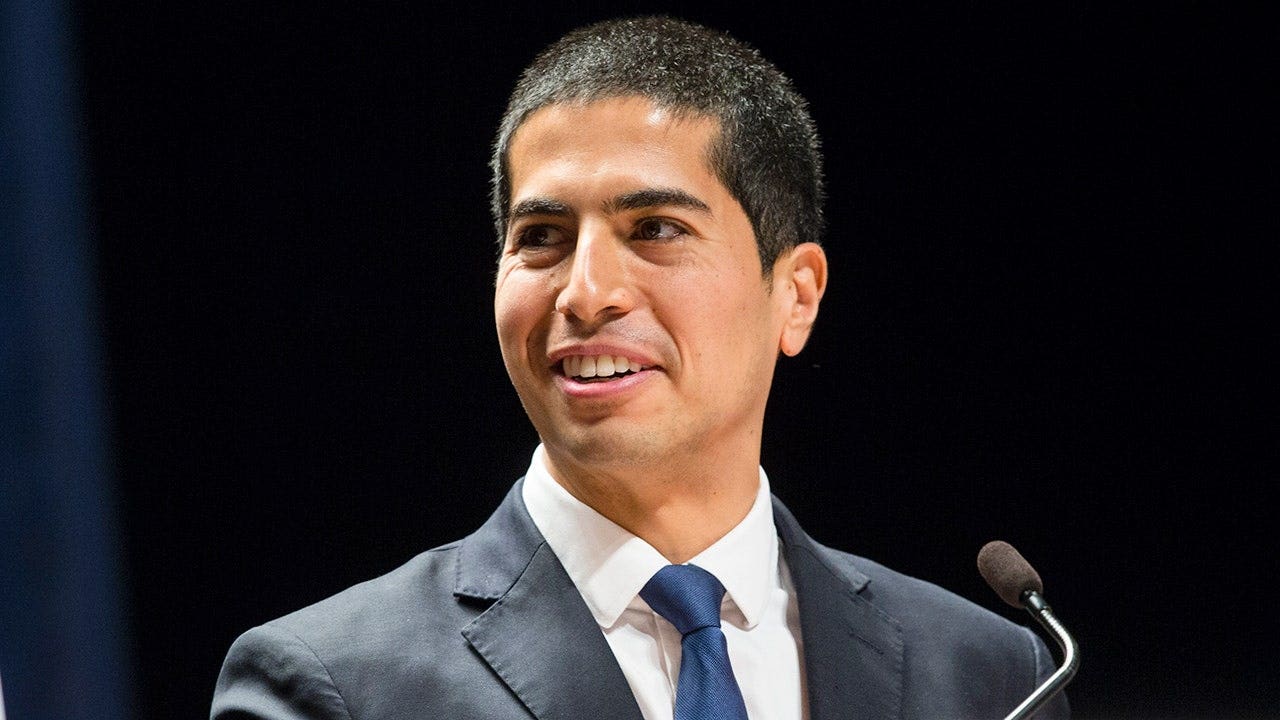
Dan Koh’s win in Massachusetts puts a familiar Democratic name back on a fast track to Washington, this time with a clearer path and a lot less drama. The crowded primary left him on top of six contenders, and the result lines him up for what looks like an easy ride in a deeply blue district. It also keeps the focus on a race shaped by party factions, family ties, and a bigger battle over who gets to claim the future of the Democrats.
Koh’s victory matters because it came with heavy political backing and a clean finish in a competitive field. Support from Joe Biden and Kamala Harris gave him instant credibility with the party’s establishment wing, and his White House résumé made that connection easy to understand. He served first as chief of staff to then-Labor Secretary Marty Walsh and later worked as deputy assistant to the president and deputy director of the White House Office of Intergovernmental Affairs.
This is not Koh’s first run at Congress, either. In 2018, he came up just short in a Democratic primary for a nearby House seat, losing the nomination to Rep. Lori Trahan. That earlier defeat never seemed to cool the ambition, and this time around the lane opened wide enough for him to take the lead when it counted.
The district he is now set to inherit has been safe ground for Democrats for years. Seth Moulton, a Marine Corps veteran, has represented the area since 2015, but his decision to chase a Senate seat left the House opening behind him. Koh is now positioned to step into a seat that covers the northeastern part of Massachusetts and has long been treated as solidly blue territory.
That still does not mean the road is free of tension. Moulton’s Senate campaign became a rough-and-tumble fight against longtime Sen. Ed Markey, and the primary exposed real cracks inside the party. Generational change became the big argument on one side, while the other side leaned on the power of progressive icons and tried to hold the line against a challenge from the left.
Koh fits squarely into the Democratic establishment lane, and that has become part of the story around him. His family background reinforces that image, since both his father and uncle have served in federal government roles. His father, Howard Koh, served as an assistant secretary at the Department of Health and Human Services under Barack Obama, while his uncle also worked in the Obama and Clinton administrations.
Still, Koh’s campaign has not been packaged as a cautious, middle-of-the-road affair. He has pushed progressive ideas, including ending “Trump’s ICE” and backing universal healthcare, which keeps him closer to the activist language that energizes a chunk of the party base. That blend of establishment support and left-leaning rhetoric gives him a useful edge in a district where the real fight is often inside the Democratic tent.
The general election, though, introduces a different kind of contrast. Koh is expected to face Republican military veteran Micah Jones, who advanced without opposition in his primary. In a seat like this, the matchup will likely center less on whether Democrats can hold it and more on how far apart the two sides want to draw the picture of government, borders, and basic priorities.
Markey’s own political orbit also played into the backdrop of the race. The veteran senator has long been a favorite of the left, with high-profile support from Rep. Alexandria Ocasio-Cortez and Sen. Bernie Sanders, which helped frame the party’s internal split as more than just a personality contest. Koh’s rise now adds another layer to that divide, with the establishment and the insurgent left still circling the same battlefield while one more primary winner heads toward the House.
