
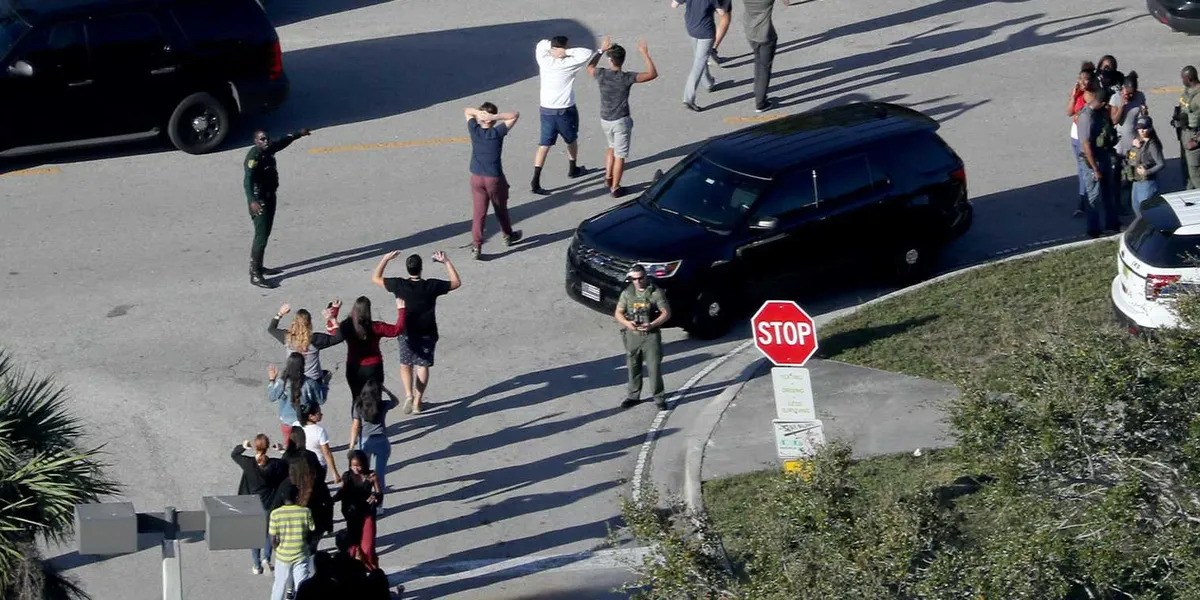
A Florida high school went into alarm mode after a violent threat set off a fast-moving police response and a wave of fear across campus. Investigators later said the threat was not what it first appeared to be, and the case quickly turned into a disturbing lesson about how artificial intelligence can be twisted to frame someone else and stir up real panic.
The situation hit a nerve because it involved more than one bad decision at once. There was the threat itself, the fear of a possible mass shooting, and then the ugly twist that a teen girl was accused of using AI to make it look like her ex-boyfriend was the one behind it.
School officials and law enforcement did what they had to do when the threat surfaced. In cases like this, every second matters, and even a rumor can force a full-scale response when students, teachers, and parents are all thinking about worst-case scenarios.
That urgency is part of what makes these incidents so dangerous. A message, image, or claim that looks real enough can spread fast, and once fear takes hold, it is hard to pull back. By the time the truth starts catching up, the damage has already been done in the minds of the people who had to live through it.
The accusation that AI was used to frame an ex-boyfriend adds another layer of trouble. Technology that can fake voices, images, and texts is already changing the way people trust what they see, and this case shows how quickly that can spill into the real world with serious consequences.
What makes the story especially unsettling is how personal it appears to be. A breakup, resentment, and a willingness to weaponize digital tools can turn a private dispute into something that drags in police, school leaders, and an entire community trying to figure out whether a threat is legitimate.
For schools, this kind of scare is a nightmare. They are expected to keep campuses safe, make snap decisions under pressure, and calm families who want answers immediately, even when the facts are still coming together and the situation is moving by the minute.
Parents, meanwhile, are left dealing with the emotional blast radius. When a mass shooting threat lands at a school, even if it turns out to be false or manipulated, the fear feels real because everyone understands what could happen if the warning were genuine.
The FBI’s involvement shows how seriously authorities treat these threats. In an age where technology can blur the line between authentic and fabricated, investigators are being forced to sort through digital evidence, motives, and timing faster than ever before.
Cases like this are also pushing a bigger conversation about responsibility. AI can be useful, but once it is used to manufacture a lie that could send a school into lockdown, the line between prank and crime disappears in a hurry.
That is the part that sticks. A tool built to create convenience and speed can also be used to create chaos, and when it lands inside a school setting, the fallout reaches far beyond the people directly involved. The fear hangs in the air long after the alerts stop and the phones quiet down.
