
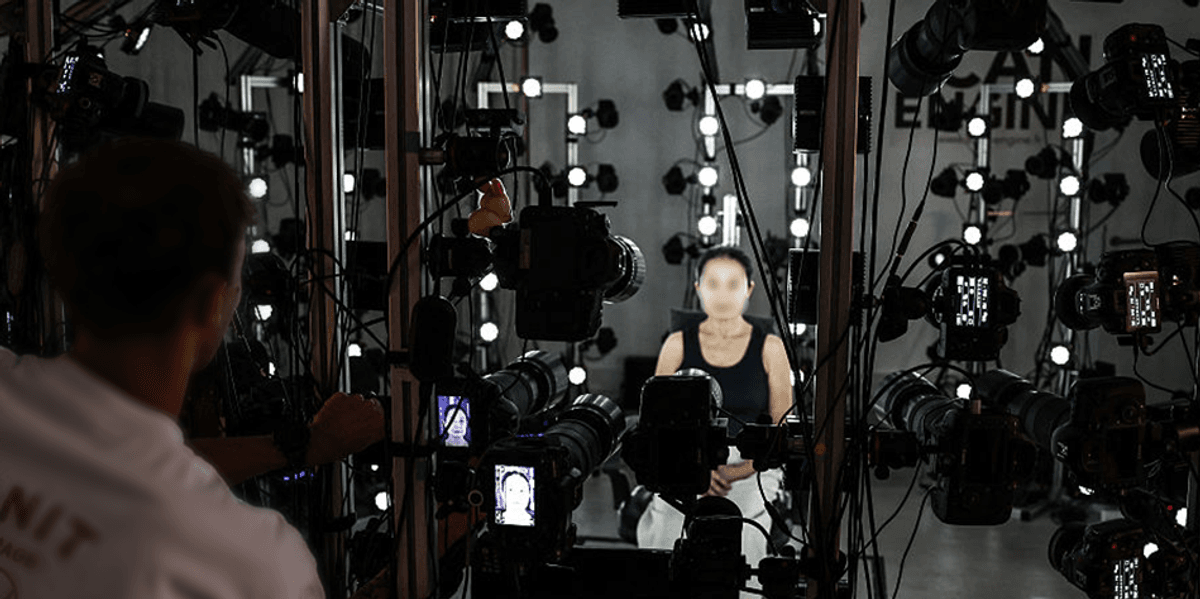
Sunny Hostin has reportedly linked her likeness to an AI studio, and the move has stirred up the kind of buzz that only The View can generate. The story mixes celebrity branding, artificial intelligence, and a very specific kind of modern-media weirdness that keeps getting more common.
At the center of it is a familiar question: what happens when a public figure lets a machine borrow their face, voice, or image? For some, it looks like a smart way to stay ahead of the curve. For others, it feels like another line getting crossed in a world already crowded with fake clips, synthetic voices, and digital impersonation.
The AI angle is what makes this more than just a celebrity side note. These deals are no longer limited to tech demos or flashy startup pitches, because they are starting to brush up against mainstream entertainment in a real way. Once a recognizable TV personality is involved, the whole thing feels less like a gimmick and more like a sign of where culture is headed.
That is especially true with a figure like Hostin, whose public profile already comes with strong opinions and a loyal audience. Any move involving her image is bound to get attention, and the fact that it ties into artificial intelligence only makes the conversation louder. People are not just reacting to the novelty, they are reacting to what it says about identity, control, and who gets to package a person for digital use.
There is also the simple reality that AI has become the new celebrity frontier. Actors, anchors, athletes, and influencers are all figuring out how much of themselves they want to hand over to software, and how much should stay off-limits. The line between marketing and mimicry can get blurry fast, and that is where the unease starts to build.
For fans, the appeal can be obvious because it promises new ways to interact with a familiar name. For critics, though, it raises the same old warning signs in a fresher, slicker costume. A likeness can be powerful, but once it is digitized and distributed, control becomes a whole different game.
That tension is part of what makes AI such a fascinating and slightly unsettling force in entertainment. It can create something polished, fast, and attention-grabbing, but it can also flatten the human spark that makes a personality feel real in the first place. A TV star is not just a set of features or a voice sample, and audiences know the difference even when the tech gets convincing.
The reaction around this kind of arrangement also says a lot about how people view The View itself. The show has always lived close to the edge of cultural debate, and anything tied to one of its hosts is likely to spark instant discussion. That built-in drama helps explain why even a tech deal can feel like a pop-culture event.
Still, the bigger story is not just about one person or one studio. It is about a media landscape where identity can be copied, repurposed, and sold with a few clicks and a lot of processing power. That is the part that keeps the conversation alive, because the tech is moving faster than the public’s comfort level can keep up with.
