
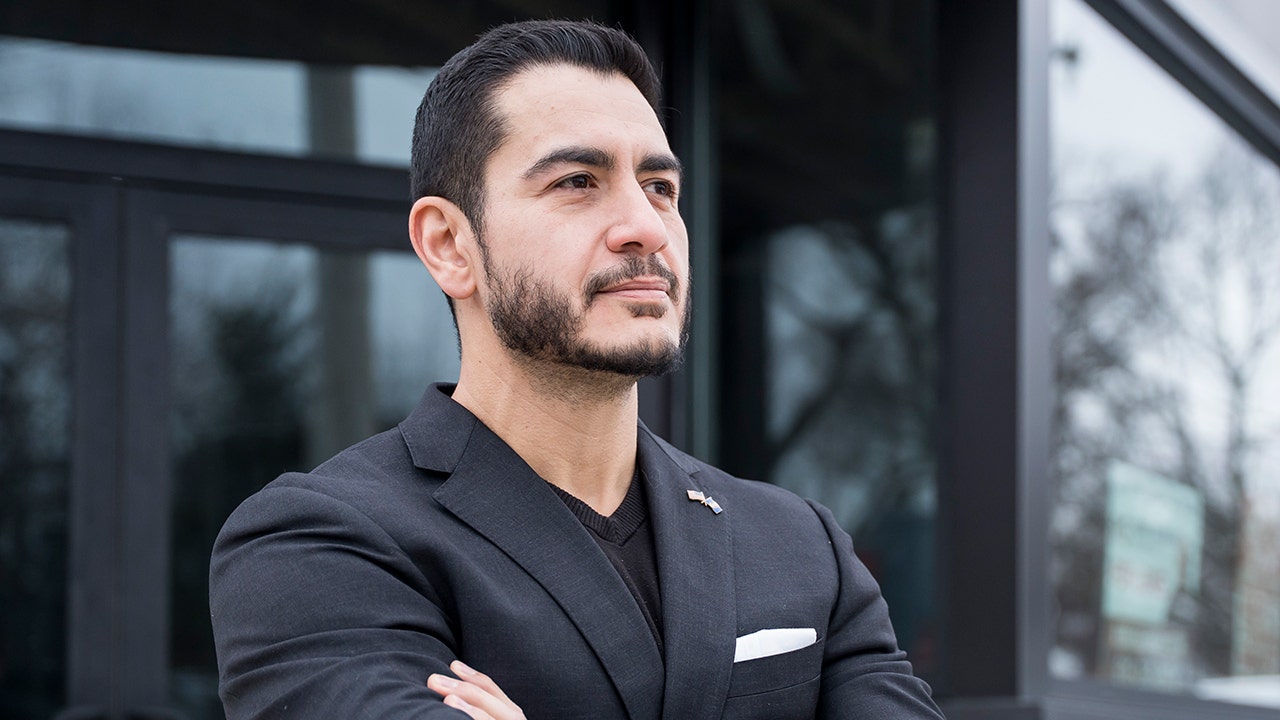
Abdul El-Sayed’s pitch for a Michigan wealth tax is built on a simple, fiery promise: squeeze the rich and use the money for roads, health care, and other big-ticket public goals. But once the slogans fade, the idea runs straight into a familiar wall of economics, law, and politics. The deeper concern is that a tax on accumulated wealth is not the same thing as an income tax, and mixing up the two can lead to costly mistakes.
El-Sayed has been clear that he wants major new spending, from Medicare-for-All to reparations and infrastructure. To him, a tax on extreme fortunes sounds like easy money, especially when framed as a way to fund tangible improvements that voters can picture. That kind of message has political bite, but it also invites a hard question: what happens when the people being taxed can simply move their money, their businesses, or even themselves somewhere else?
The distinction between wealth and income matters more than campaign rhetoric lets on. Income is money earned in a year, while wealth is the pile of assets already owned, whether that means homes, stocks, boats, or art. That means a wealth tax hits the same assets again and again, even if the owner’s income drops, which makes it far more aggressive than the ordinary taxes people already pay.
Supporters often talk as if the tax would only affect a tiny circle of billionaires, but the political history points in a different direction. Once a government starts fishing in the waters of extreme wealth, the target often shifts downward. What begins as a tax on the ultra-rich has a way of becoming a tax on millionaires, then people far below that mark, especially when public programs keep demanding more cash.
That’s why the idea has become such a useful weapon in class-war politics. It lets candidates cast wealthy citizens as people hoarding money that should somehow belong to everyone else, and it turns a complex tax debate into a moral drama. The problem is that moral theater does not balance budgets, and it certainly does not guarantee job growth.
Michigan should be especially careful here. The state has spent years trying to attract employers, retain talent, and build a stronger tax base, and anything that scares off high earners can hit local investment fast. If the people paying the most taxes take their money, their companies, or their expansion plans somewhere friendlier, the state is left with fewer jobs and less revenue, not more.
That risk is not hypothetical. Wealth taxes in other places have often produced the same ugly result, with capital heading for the exits and governments eventually backing away from the policy. The lesson is blunt: money is mobile, and people with serious assets usually have options.
There is also the constitutional cloud hanging over the whole discussion. The federal system approved income taxes through the 16th Amendment, not a broad tax on property or net worth. That legal gap matters, because a tax built on shaky ground can end up in court before it ever raises the money politicians promise.
Even the numbers can get slippery fast. A flashy claim about taking 7 percent from fortunes over $100 million sounds straightforward until it is paired with an assumption about annual returns, investment gains, business valuations, and fluctuating markets. A taxpayer does not live inside a campaign brochure, and real assets do not always produce the neat, steady profits politicians imagine.
The bigger issue is the message this sends to people who create companies, hire workers, and invest in growth. If success is treated as a problem to be punished every year, the smartest money starts looking for a safer zip code. That is how a state can end up chasing away the very people who help keep it afloat.
El-Sayed has found a sharp political line by linking wealth taxes to roads, health care, and fairness. It sounds clean, even satisfying, until the tradeoffs come due and the budget math collides with reality. Then the debate is no longer about envy or slogans, but about whether Michigan wants a stronger economy or a slower decline dressed up as reform.

1 Comment
That he seeded