
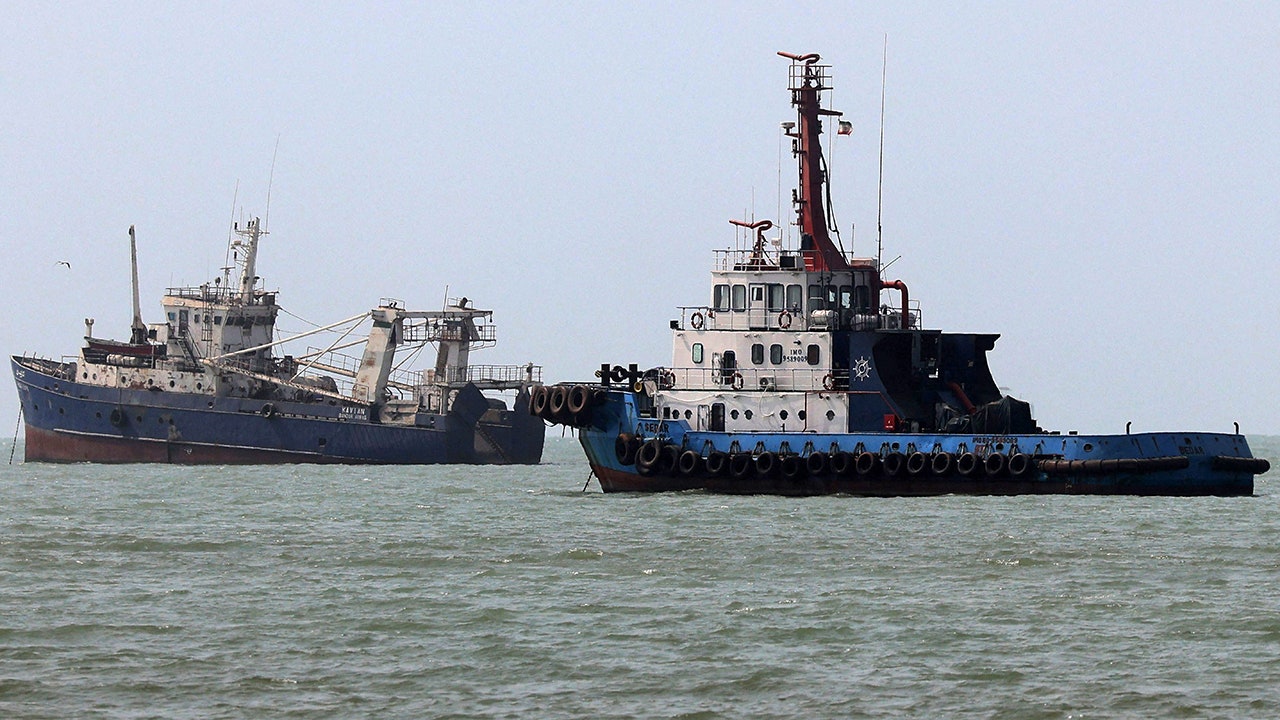
Iran’s grip on the Strait of Hormuz has been badly weakened, and that shift is starting to show up in energy markets, military posture, and the pressure on Tehran’s leaders. A newer shipping workaround, backed by U.S. protection and Gulf cooperation, has helped keep oil moving while Iran tries to regain leverage it no longer really has.
Swiss energy analyst and investor Alexander Stahel argued in his Monday note that the Iranian regime has effectively lost control of the key waterway. His case centers on a growing shipping pattern that routes crude around the most dangerous chokepoint and keeps the world supplied even as Tehran throws its weight around.
The setup did not happen overnight. The United Arab Emirates, followed by nearby producers, built a system that uses a coastal route along Oman, then relies on ship-to-ship transfers before cargoes continue on to market. It is a clever workaround, and it has made the old Iranian threat look a lot less intimidating.
U.S. military backing has mattered too. Central Command is not running the same old destroyer-heavy escort playbook from decades ago, but the modern approach is doing the job, and the market is noticing. Oil prices bumped around as traders reacted to renewed tension, but the bigger story is that the panic trade is losing its punch.
Stahel’s breakdown says the UAE refused to stay hostage to Iranian threats and instead turned the “Hormuz Shuttle” into a functioning pipeline at sea. What started with a relatively small number of vessels has grown into a much larger network, with Saudi Arabia and Kuwait copying the model and other exporters now leaning on it as well.
That matters because Iran’s leverage depends on fear, not just firepower. If the shipping lanes keep working, then the regime’s ability to squeeze the region collapses fast. The Strait still matters, but the trap is no longer as tight as Tehran wants everyone to believe.
Market watchers are already pricing in that reality. West Texas crude and Brent moved as traders weighed the possibility of renewed talks and fresh Iranian bluster, but the broader trend points toward weakness in Tehran’s hand, not strength. Once buyers see that intimidation is not stopping the oil flow, the premium starts draining away.
President Trump’s posture has been central to that shift. Rather than rush into a weak bargain, he has kept the pressure on and made clear that empty threats will not buy Iran a lifeline. That kind of resistance changes the tone fast, especially when backed by American naval muscle and a clear refusal to be boxed in.
Iran’s leaders also misread the moment. They seemed to think domestic politics in the United States would force concessions, but that gamble has not paid off. Instead, the regime has kept hitting a wall, and every failed move has made it look more isolated, more desperate, and less in control.
Sanctions have only sharpened the squeeze. Treasury officials have tightened the vise while the economy inside Iran continues to weaken, and that leaves the ruling clique with fewer ways out. The country is not just facing military pressure, but a steady financial grind that keeps getting harder to escape.
The bigger picture goes well beyond one shipping lane. For decades, the world paid a hidden cost for Iranian aggression, from higher energy prices to nonstop instability across the Middle East. That burden has been real for Israel, for Gulf states, and for anyone trying to do business in a region where Tehran treated chaos like a strategy.
Now the balance is changing because the old intimidation game is running out of road. Iran can threaten, complain, and posture, but the oil keeps moving, the coalition against it keeps hardening, and the regime keeps looking like it has fewer cards in its hand. That is the kind of turnabout markets notice quickly, even before politicians do.
