
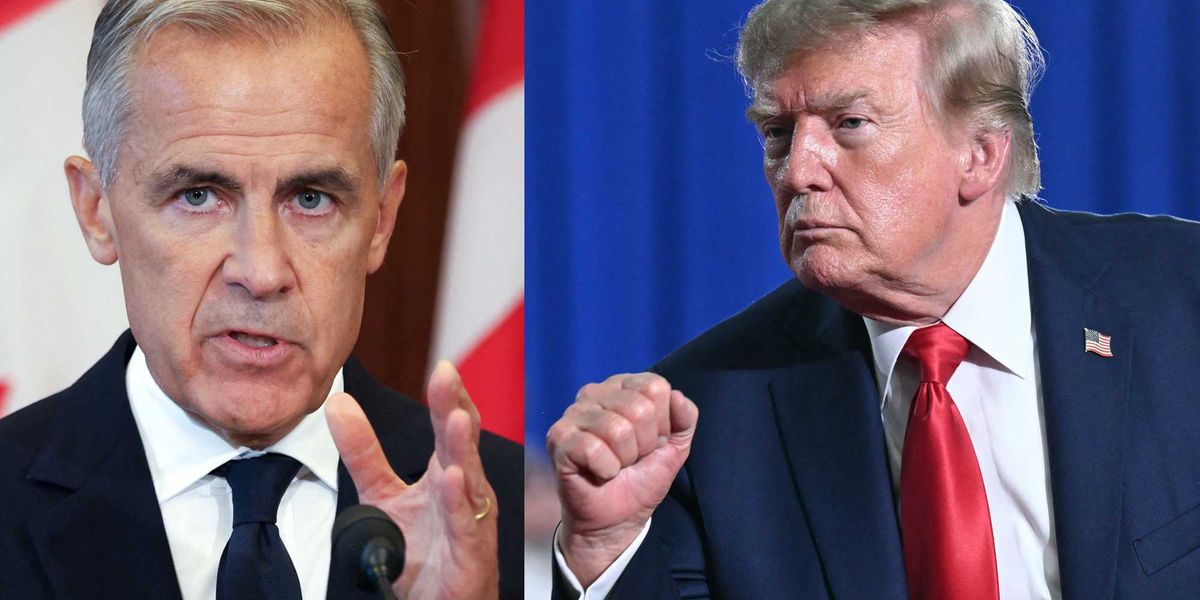
Canada’s trade fight with the Trump White House has hit a new level, with fresh tariffs landing after a rejected deal and a response from Ottawa that did not sound like backing down. The clash now stretches beyond trade sheets and into a bigger battle over leverage, pride, and how much pressure both sides are willing to absorb.
Tariffs are back in the spotlight, and this time the stakes feel sharper because the dispute is tied to a deal that never got across the finish line. Washington is using economic muscle to force movement, while Canada is signaling that it will not simply fold under pressure. That kind of standoff tends to raise the temperature fast, and businesses on both sides of the border are the ones stuck watching the fallout.
The move from the Trump administration is classic hardball. When a trade agreement is rejected, the message often comes wrapped in tariffs, and that changes the entire tone of the negotiation. Instead of quiet back-and-forth, the dispute turns loud, public, and expensive, with both governments trying to prove they are the one willing to stand firm longer.
Canada’s reaction has been defiant, and that matters because it suggests the country sees this as more than a narrow dispute over rates and exemptions. Leaders in Ottawa are treating it like a test of national resolve, especially when the pressure comes from a president known for pushing trade fights to the edge. In that kind of environment, every statement matters and every hesitation gets noticed.
Doug Ford has also been part of the broader political noise around the fight, adding a provincial angle to what is already a tense federal showdown. In Canada, trade disputes rarely stay in one lane for long, especially when jobs, manufacturing, and regional industries are on the line. Once that starts, the argument becomes about more than policy, because real people and real paychecks are suddenly in the middle of it.
Mark Carney’s name is in the mix too, which adds another layer of intrigue to a conflict already packed with big personalities. When a trade dispute draws in figures associated with economic strategy and public confidence, the story stops being just about tariffs and becomes about who gets to define the future of the relationship. That is where these fights tend to get slippery, because every side wants to look tough without triggering damage that cannot be undone.
Tariffs sound clean in a headline, but the effects spread quickly. Import costs jump, supply chains get strained, and companies start making nervous decisions about pricing, inventory, and hiring. The longer the fight drags on, the more it stops feeling like a political message and starts behaving like an economic tax on everyone caught in the middle.
That is why trade wars create so much heat so fast. They are built on the idea that pain will force a better deal, but pain does not always land where politicians expect it to. Sometimes it lands on consumers, sometimes on farmers, sometimes on manufacturers, and sometimes on the very workers both sides claim they are protecting.
The bigger question now is how long each side thinks it can hold its ground before the cost becomes too obvious to ignore. Trump has made a career out of using pressure as a bargaining tool, and Canada is responding like a country that does not want to be pushed around. When neither side wants to blink first, the market usually ends up doing the talking.
For now, the fight is alive, the rhetoric is sharp, and the border economy is feeling the strain. Every new tariff makes the standoff a little more personal and a little harder to unwind, especially when both governments think they are defending something bigger than a deal. The next move could come from a negotiation table, a policy shift, or another round of tariff fire that only makes the pressure tighter.
