
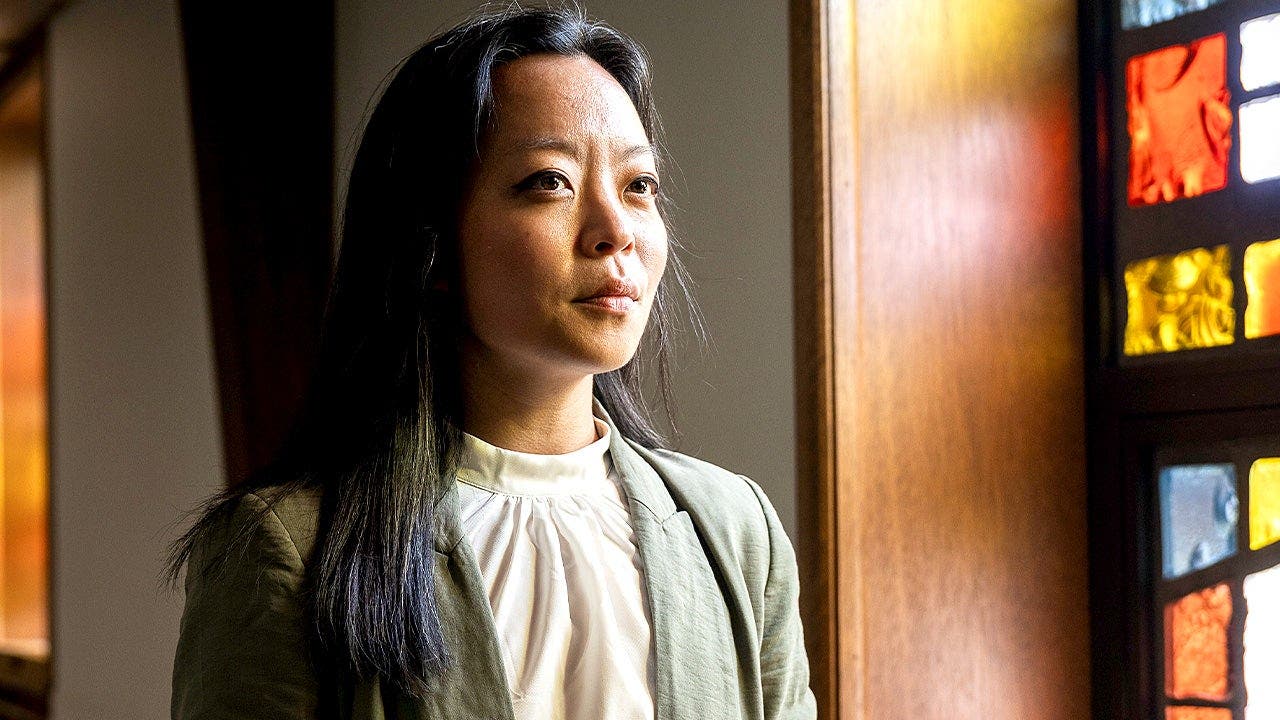
David Axelrod is making a blunt bet that a messy primary can clear the path for Democrats in Wisconsin. His argument centers on Francesca Hong, a hard-left candidate whose style and record he sees as a drag on other progressives, especially Abdul El-Sayed. That fight has turned into a bigger story about image, ideology, and whether the party wants a polished message or a loud protest lane.
Axelrod took to X and said, “It would be good for Abdul El-Sayed if Francesca Hong loses her bid to become the Democratic nominee in Wisconsin next week,” framing the race as one where one candidate could help or hurt another. He added, “He is a serious person. She is a font of zany liberal, faculty lounge exotica. But the [Republicans] … would surely try to link Abdul and Hong as philosophical kin.”
The line landed like a brick, and Hong fired back fast. She blasted the consultant class as clueless and accused it of trying to keep working-class people out of politics, then poked at Axelrod’s elite image by saying she has spent more time in kitchens than faculty lounges. Her response made the clash bigger than one primary, turning it into a noisy argument over who gets to define progressivism in the first place.
Hong is running for governor in Wisconsin and has built her pitch around a full-speed-left agenda. She has backed universal childcare, a $20 minimum wage, and the abolition of Immigration and Customs Enforcement, while also arguing that noncitizens should be able to get state-issued ID. She has also supported publicly run grocery stores and opposed continued U.S. support for Israel, which keeps her firmly in the activist lane rather than the moderate one.
On top of that, Hong openly embraces the socialist label and has the backing of the Democratic Socialists of America. That alone gives the race a sharper edge, but the real heat comes from the kind of cultural baggage that can haunt a candidate once the spotlight gets brighter. In a political environment where every old post gets replayed like a bad highlight reel, that baggage can matter just as much as the policy list.
Some of the scrutiny has focused on her past comments about canceling Thanksgiving, defunding police, and even abolishing the Senate after the chamber voted to acquit Trump in 2021. Those remarks are the kind that turn a state race into a national talking point in a hurry. Hong has tried to push back on some of the resurfaced criticism, but she has not tried to hide the fact that she is running hard left.
She put it plainly when she said, “I’m a proud democratic socialist. I’m not advancing a brand. I’m focusing on the policies, the socialist policies that improve lives,” which leaves little room for guessing where she stands. That kind of honesty can play well with the base, but it also hands opponents a ready-made argument about extremism. In a competitive state like Wisconsin, that kind of label can become a political anchor.
The field has also shifted around her. At the start, Hong looked like more of a long shot, but the race changed when former Lt. Gov. Mandela Barnes dropped out, removing a major name from the contest. With Barnes gone, Hong and Milwaukee County Executive David Crowley became the main players, and Gov. Tony Evers backed Crowley, pointing to his record in public service.
The next test comes fast, with the primary set for Tuesday, Aug. 11. If Hong wins, she moves on to the general election on Nov. 3, but the real pressure starts long before then, with party loyalists, consultants, and rival camps all trying to shape what her candidacy says about the future of Wisconsin Democrats. The entire scramble has a way of exposing what the party is willing to excuse, what it wants to hide, and what it fears will show up on the attack ads before the first votes are even counted.
