
Medicare-for-all keeps getting sold as simple and humane, but the real story is messier. The debate is not just about who gets covered, it is about who pays, how much doctors get, what happens to private insurance, and whether the whole thing would actually work without blowing up costs and access.
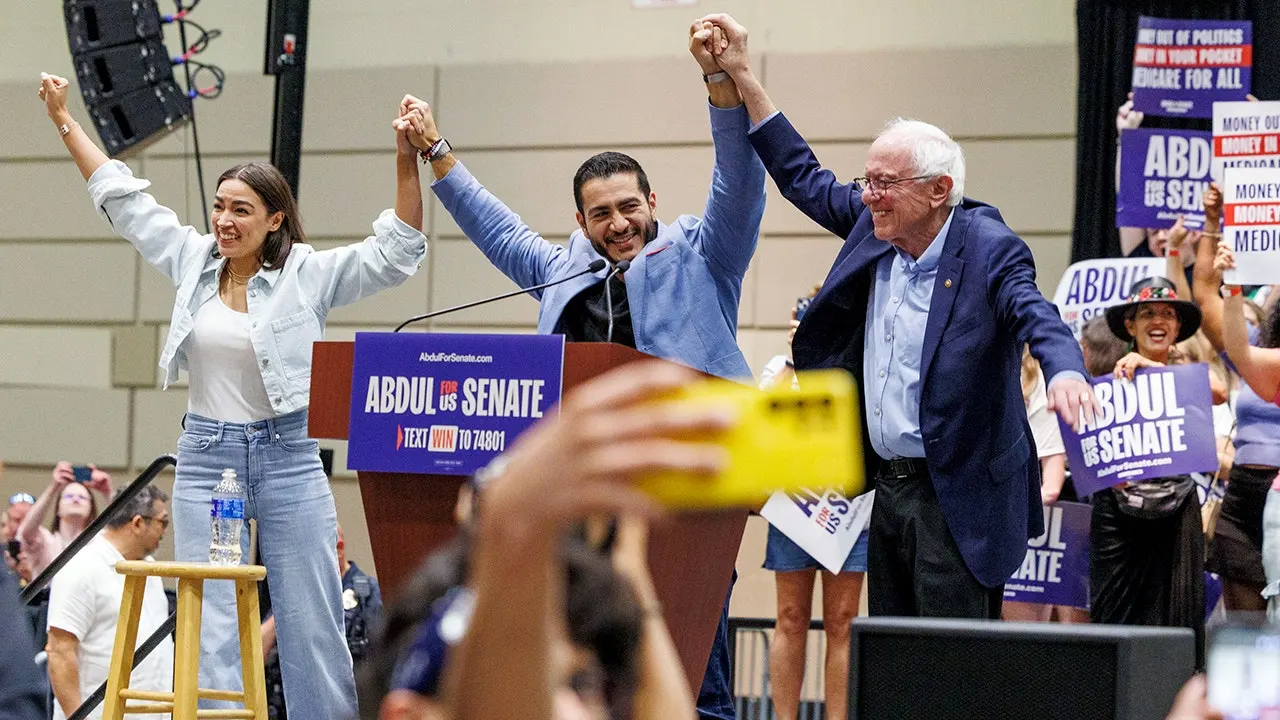
Michigan Senate candidate Abdul El-Sayed has made the idea a centerpiece of his campaign, even while acknowledging that Americans would likely owe more in taxes under the plan. That blunt admission cuts through the marketing a bit, because the promise of universal coverage always comes with a bill, and that bill does not vanish just because the money starts flowing through Washington instead of through insurers and employers.
Policy analysts Michael Cannon of the Cato Institute and Ed Haislmaier of the Heritage Foundation argue that the label itself hides more than it reveals. Their basic point is that “Medicare-for-all” sounds familiar and comforting, but the version being pushed would not look much like the current Medicare program seniors use today. It would be a much larger, more centralized system with different incentives and a much heavier federal footprint.
One of the biggest pressure points is provider pay. Medicare already reimburses hospitals and doctors at rates that are often lower than private insurance, and a true single-payer system would put far more patients into a system built on government-set prices. That raises an ugly question fast: either the government sends in far more money, or providers eat lower payments and some of them start walking away.
That is where the practical concerns get loud. If doctors and hospitals are squeezed too hard, access starts to wobble, and the plan can end up looking generous on paper while feeling much tighter in real life. Critics point to places like Canada and England, where long waits and limited access have become a familiar warning sign for anyone watching socialized medicine up close.
Supporters still argue that the current system is a mess, and they are not wrong about that part. Coverage tied to a job can disappear when employment changes, premiums can be brutal, and families get trapped in a setup that feels expensive before care even starts. Cannon, though, says the answer is not to hand the whole sector over to the government, but to put patients back in charge and let competition force prices down.
Haislmaier takes a similar view and calls single-payer a “solution in search of a problem.” His argument is that the real fight is not whether people have a card in their wallet, but whether care becomes affordable in the first place. From that angle, the left’s pitch can sound more like a slogan than a plan, especially if the system still leaves people paying premiums, deductibles, and other out-of-pocket costs.
The financing issue may be the most brutal part of the whole debate. Moving most medical spending onto the federal ledger would require massive new revenue, and Cannon says that could mean taxes doubling or even tripling. That is the part politicians tend to skate past when they talk about “free” care, because somebody still has to foot the bill, and it is usually taxpayers.
There is also a strange irony in the way the current U.S. system already mixes public and private features. Medicare, Medicaid, employer coverage, and Obamacare all shape the market already, which is why Cannon says the U.S. is not starting from zero. Even so, he argues that the presence of government in the system is not proof that more government is the cure, especially if it crowds out choice and leaves fewer options for patients and providers alike.
That is why the fight over Medicare-for-all keeps landing in the same place. It is not really about a catchy label, and it is not about whether people like the idea of coverage that follows them from job to job. It is about whether a giant one-size-fits-all system can keep access broad, pay providers enough, and avoid turning a pitch for security into a machine that costs more and delivers less.
