
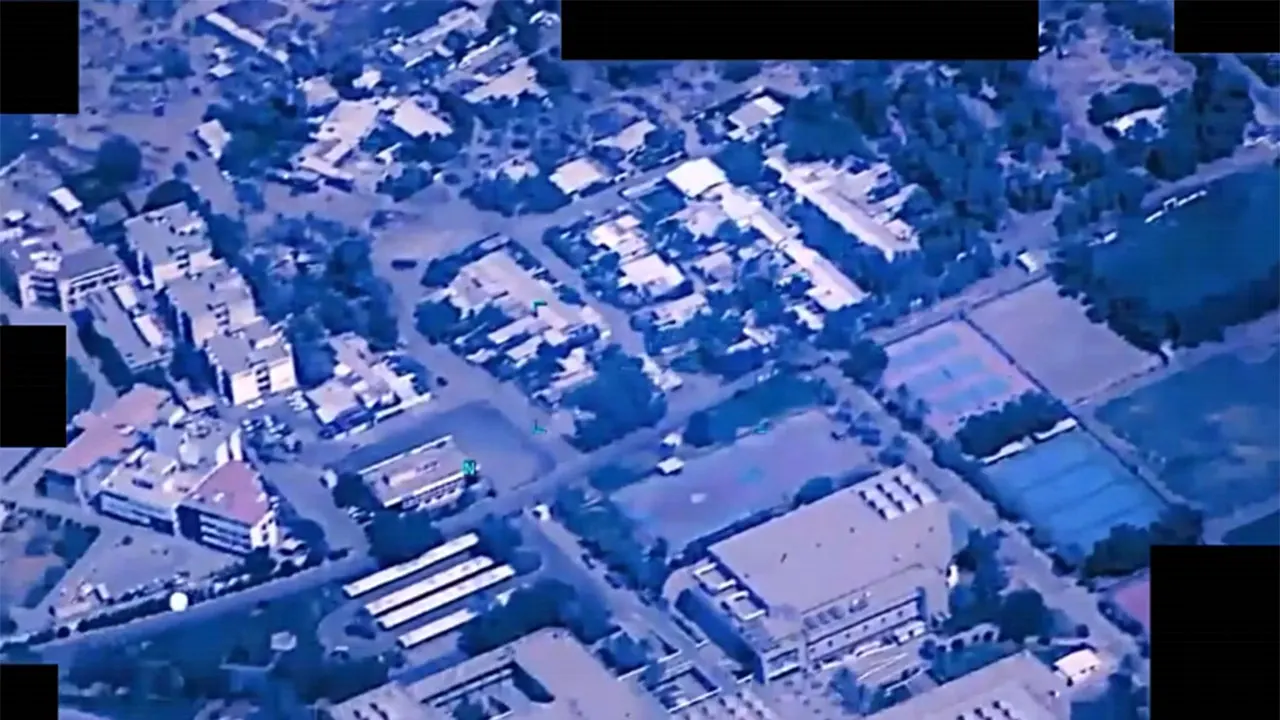
The newest batch of UAP files has stirred fresh curiosity, thanks to a video that appears to show a military sensor tracking an odd object moving across the Middle East in 2025. The release adds another strange piece to the long-running public debate over what the government has seen, what it can explain, and what still sits in the unresolved pile.
According to the material released by the Department of War, U.S. Central Command submitted the footage to the All-domain Anomaly Resolution Office as part of a report on an unidentified anomalous phenomenon. The clip runs 1 minute and 39 seconds and comes from an electro-optical and infrared sensor aboard a U.S. military platform, which gives it a more serious feel than the grainy home video stuff people usually associate with UFO talk.
The description attached to the video is precise, almost clinical. It says the sensor pans left to right, keeps the target centered, and shifts magnification several times while following what is described as an area of contrast. That kind of language does not solve the mystery, but it does show the footage was treated as something worth documenting carefully rather than brushed aside.
The release is part of a broader push to make older and newer UAP records public. Sean Parnell, the chief Pentagon spokesperson, said the department was publishing its fifth batch of declassified and historical UAP files through the Presidential Unsealing and Reporting System for UAP Encounters. That framing matters because it signals the government is still willing to open the closet door a little wider, even if the contents are still baffling.
President Donald Trump also put his stamp on the issue earlier this year, saying on Truth Social that he would direct relevant departments to begin identifying and releasing government files tied to alien life, unidentified aerial phenomena, unidentified flying objects, and related material. His message was unmistakable: if the government has information that people want, it should stop hiding behind endless silence and put the records out in the open.
That approach has only fueled more public attention around the subject. For years, UAP disclosures were treated like a fringe obsession, something fit for late-night radio and internet rabbit holes, but the tone has shifted as military footage and official releases keep surfacing. Once the government starts labeling cases as unresolved, people naturally want to know what made them impossible to close.
The public archive tied to the release makes that uncertainty plain. It describes the archived materials as unresolved cases, meaning the government cannot make a definitive determination about the nature of what was observed. That wording leaves room for a lot of possibilities, and it also leaves room for frustration, because “unresolved” is not the same thing as explained.
That is part of why these disclosures keep landing with real force. Each new video or report seems to carry the same tension, a mix of hard data and unanswered questions, and that combination is exactly what keeps the UAP issue alive in the public mind. People may disagree on what the footage shows, but the appetite for transparency is not going away any time soon.
The latest release also fits into a broader pattern of government messaging that has become more direct than it used to be. Instead of pretending every strange sighting can be waved off with a shrug, officials are now placing these events in official channels, tagging them for review, and letting the public see the material for itself. That alone has changed the conversation, because a mystery wrapped in paperwork hits differently than a rumor floating online.

1 Comment
Improve the Video images, clarity not to blurry fuzzy etc use AI