
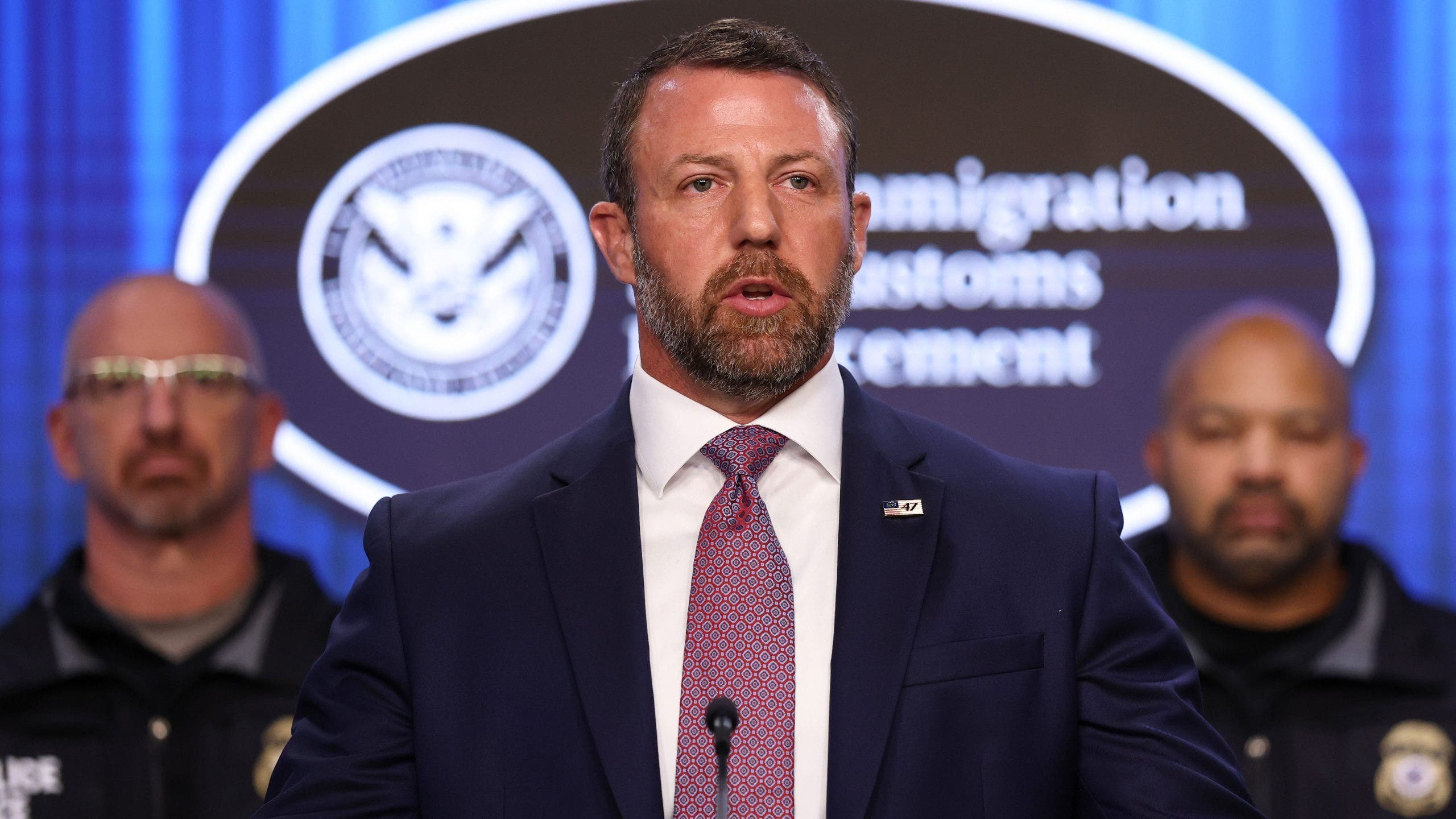
ICE and immigration enforcement landed squarely back in the spotlight after a New York City shooting set off a fresh fight over rhetoric, responsibility, and public safety. Markwayne Mullin blasted Zohran Mamdani’s attack on ICE as reckless, while officials defended the agent’s actions and pushed back on claims that stripped away the full picture.
Mamdani had claimed ICE had “killed far more of our neighbors than they could ever have claimed to save,” then doubled down on his push to abolish the agency. Mullin answered fast, calling that kind of language dangerous and arguing it only fans hostility toward officers trying to do their jobs. The clash turned into a bigger argument about whether city leaders are helping calm tensions or pouring fuel on them.
During his Friday remarks, Mullin made it plain that he believes the mayor’s words cross a line. He argued that if ICE were eliminated, someone would still have to handle the people committing crimes on city streets, and he framed the agency as a front-line force against violent offenders. The message was blunt, and it was aimed right at the heart of the anti-ICE crowd.
The incident at the center of the dispute involved Oscar Belgal, who was shot after, according to federal officials, refusing orders and driving into government vehicles. ICE Enforcement and Removal Operations Executive Associate Director Marcos Charles said Belgal would not exit the vehicle, then accelerated into two ICE vehicles and moved toward officers. That account sharply shaped the administration’s defense of the shooting.
Officials also said Belgal had previously evaded law enforcement when authorities tried to arrest him in September. Mullin noted that officers did not know a child was in the vehicle during the encounter, but said Belgal himself knew the child was there, which made the situation even more serious in his view. That detail quickly became part of the larger pushback against the mayor’s comments.
The shooting also sparked unrest outside the hospital where Belgal was taken. Police said five people were arrested on a mix of charges, including harassment, disorderly conduct, and resisting arrest, as anger spilled into the streets after the incident. The scene showed how quickly a single confrontation can ripple outward when immigration enforcement and political messaging collide.
Mullin went further, saying Belgal, a Dominican Republic native, had entered the country illegally and accumulated “crime after crime,” language meant to reinforce the administration’s hard line. He also criticized Mamdani for staying quiet after a New York City police officer was stabbed by two illegal immigrants the week before. That silence, in Mullin’s view, said plenty about where the mayor stands.
He pressed that point hard, arguing that public outrage is often selective and that the people who shout the loudest about justice frequently ignore victims when the facts are uncomfortable. His comments leaned into the broader conservative case for aggressive enforcement, especially when local leaders are accused of soft-pedaling the threat from repeat offenders. The tone was forceful, and it fit the broader mood around the case.
For Mullin, the mission never changed: enforce the law, target dangerous criminals, and keep going despite the political noise. He framed ICE officers as people doing difficult work under pressure, and he made clear he has no patience for leaders who, in his view, undermine them from the safety of a podium.
