
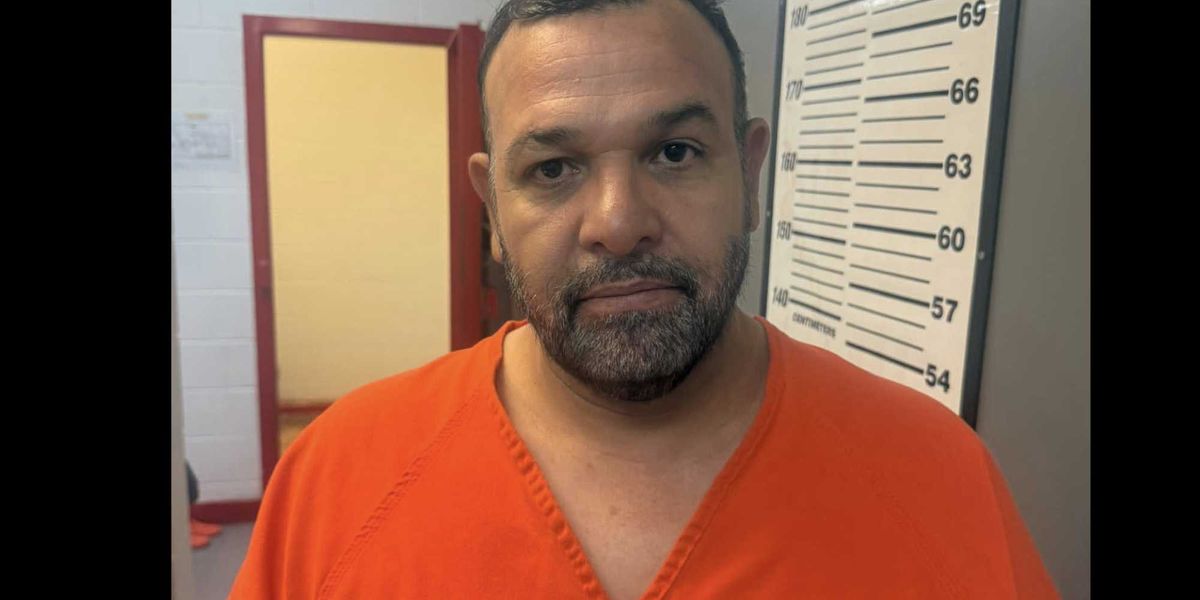
ICE has arrested a man in Texas who sources say is the husband of a local mayor, and the case is drawing fresh attention because it lands right in the middle of the immigration fight. The arrest is being viewed as another reminder that federal immigration enforcement is not some abstract debate in Washington, but something that can hit close to home in cities and small towns alike.
The arrest quickly picked up steam because of who the man is believed to be connected to, and that detail has only added more fuel to an already heated political climate. In Texas, where immigration pressure has been front and center for years, stories like this tend to land hard and spread fast.
Supporters of strong enforcement see the situation as plain evidence that immigration laws still matter and that no one should get a free pass because of status, title, or family connections. They argue that when the government looks the other way, ordinary citizens are the ones left dealing with the fallout, from strained public services to safety concerns.
The arrest also comes at a time when voters are paying much closer attention to how local officials talk about immigration. Many people are tired of soft rhetoric and want leaders who will back up their words with real action, especially in places that have seen the effects of illegal immigration up close.
Texas has become a major flashpoint in the larger national fight, with border security, interior enforcement, and local cooperation with federal authorities all under the microscope. That makes any arrest tied to a public figure more than a personal story, because it gets folded into the larger argument over whether the rules are being enforced evenly.
For critics of lax immigration policy, the optics here are impossible to ignore. If a person accused of being in the country illegally can end up tied to the household of an elected mayor, that naturally raises questions about who is being watched, who is being protected, and whether the system is doing its job.
Law enforcement agencies have made clear over and over that immigration violations are not minor issues, even when politicians try to brush them aside. The Texas case is the kind of development that cuts through the talking points and lands with regular people who want to know whether the law actually means something.
It also puts local leadership in a tough spotlight, because voters tend to notice when immigration debates get personal. When a mayor’s family is pulled into the conversation, public trust can take a hit fast, and the response from officials becomes just as important as the arrest itself.
In a state like Texas, where immigration is part of daily political life, the story is likely to keep echoing well beyond the initial arrest. People watching this issue are not looking for polished excuses, and they are definitely not in the mood for leaders who pretend the border crisis is someone else’s problem.
