
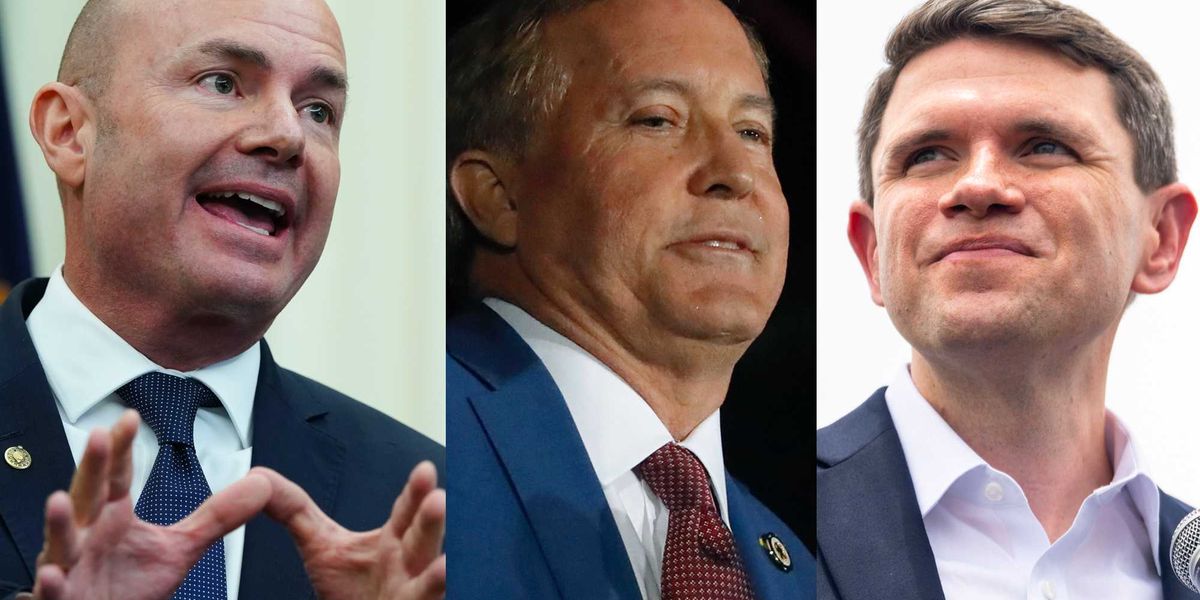
Texas is suddenly looking like one of the wildest battlegrounds in the country, and the latest polling chatter is enough to make any Republican sit up and take notice. The numbers are tight, the stakes are huge, and Mike Lee’s warning reflects a race that could turn into a headline-grabbing fight fast. With Ken Paxton, James Talarico, and the broader midterm picture all in the mix, this is the kind of contest that can reshape the map if voters break one way or the other.
For Republicans, the most obvious takeaway is simple: no one can coast in Texas. Paxton brings instant name recognition and a loyal conservative base, but polling volatility means that edge cannot be taken for granted. In a year where turnout patterns can shift quickly, every small move in voter enthusiasm matters, especially when Democrats are looking for any opening they can find.
James Talarico is the kind of Democrat who can create trouble in a state Republicans still expect to control. He knows how to talk to younger voters and moderate-leaning Texans without sounding like the usual party machine voice, and that makes him more dangerous than some outsiders might assume. If the race tightens, he will try to frame the contest as a choice between chaos and stability, even if Republicans see it very differently.
That is exactly why polling gets so much attention in a race like this. A couple of points one way or the other can change donor confidence, media coverage, and the energy level on both sides. Mike Lee’s alarm is less about panic and more about reading the room, because when the numbers start wobbling in a state like Texas, campaigns have to respond like their hair is on fire.
Midterm elections add another layer of pressure. They usually reward the side that is sharper about turnout, message discipline, and enthusiasm, not the side that simply assumes the state leans its way on paper. Republicans know Texas should be an anchor, but they also know that a sleepy base or a messy nominee can turn a comfortable seat into a nail-biter.
Paxton’s appeal is clear to many conservatives because he is seen as a fighter who does not apologize for taking on the left. That kind of brand can be powerful in a Republican primary and in a general election where the base wants someone willing to punch back. Still, the general electorate is broader than the activist class, and that means the campaign has to speak to Texans who care about inflation, border security, taxes, and schools more than ideological drama.
Talarico, meanwhile, benefits from the fact that many voters are not glued to party labels the way insiders are. If he can present himself as calm, smart, and focused on practical concerns, he can make the race feel closer than the state’s partisan lean would suggest. Republicans cannot ignore that, because underestimated challengers often become the ones who benefit most when the other side starts acting overconfident.
Lee’s warning also lands because Texas is not just another Senate race. It is a signal race, one that can influence how national Democrats and Republicans decide where to pour money, time, and attention. If the polls stay surprising, the state becomes even more of a magnet for outside groups, attack ads, and nervous calls from party strategists who know one slip can echo well beyond Texas.
What happens next will depend on whether Republicans treat the latest numbers as a wake-up call or a sign that everything is already under control. The smarter move is obvious: keep the base fired up, keep the message simple, and do not give the opposition room to define the contest first. In a race this tense, the side that stays disciplined is the side that usually walks away happiest on election night.
