
Ford is reaching back to its Model T roots to shape a very different kind of future, and this time the target is an affordable electric pickup. The company is betting that the same mindset that helped it scale mass production more than a century ago can now trim cost, complexity, and time from EV manufacturing. That push centers on a new production setup built for a $30,000 truck that Ford says will arrive in 2027.
The historical echo matters because Ford has always sold itself as a company that knows how to build vehicles at scale. The moving assembly line changed the game in 1913, cutting Model T build time to 90 minutes and making modern auto production feel possible. Now Ford wants that same kind of disruption, only instead of a gasoline sedan for the masses, it is aiming at a budget-friendly electric pickup with broad appeal.
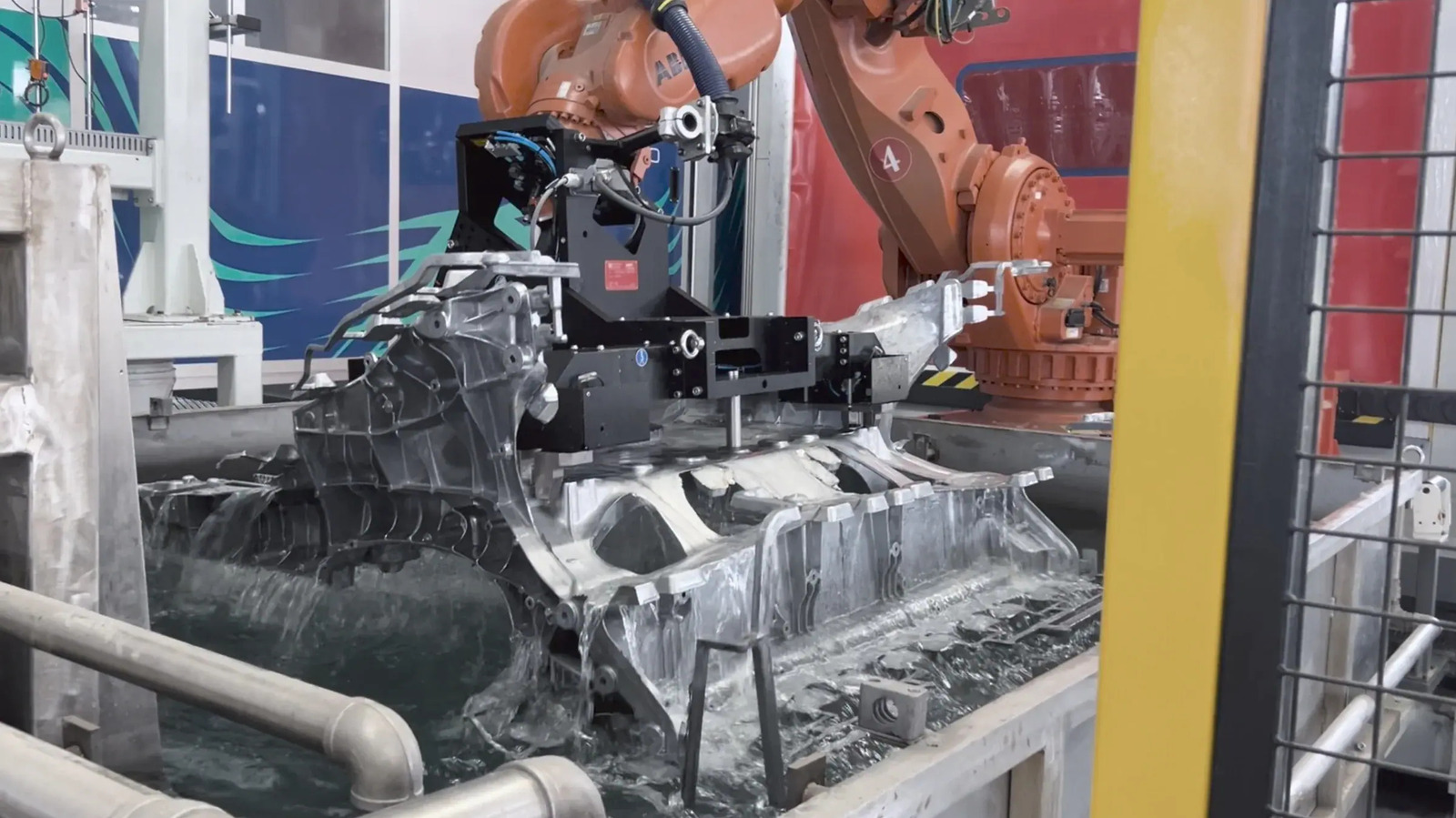
At the heart of the plan is Ford’s Universal EV Production System, a fresh approach designed to simplify manufacturing from the ground up. One big piece of that strategy is unicastings, which replace lots of smaller parts and help reduce the number of steps workers need to handle. Ford says the result is a leaner process with 20% fewer parts, 25% fewer fasteners, and 40% fewer workstations, along with an assembly line that runs 15% faster.
The layout itself is different from the classic single-file factory image most people picture. Instead of one straight path from start to finish, the line begins together, splits into three branches, and then comes back together at the end. Ford plans to build the front in one section, the rear in another, and the battery, seats, console, and other interior pieces in a third, which keeps the flow tighter and more focused.
That kind of setup is supposed to make life easier on the people doing the work too. Parts and tools are delivered in kits, so workers can stay in place and handle what is right in front of them without constant shuffling around the plant. It sounds simple, but in manufacturing, simple is often where the savings and speed come from.
The first vehicle to roll out under this system will be an electric pickup truck, and Ford clearly sees it as a major test case. The company wants to use the lower production costs to make an EV truck that costs far less than many of the options shoppers have today. Ford has been teasing the project for a while, and it has even put up a dedicated page for the still-unnamed truck.
So far, the truck has stayed mostly hidden under camouflage, but a few details have started to leak through. It is expected to wear a low, curved grille and a shape that looks more aerodynamic than Ford’s current pickups. Size-wise, it is said to land around Maverick territory, while Ford claims the cabin will offer more room than a RAV4.
That mix of compact dimensions and extra interior space could make it a pretty interesting package if the final product lives up to the buzz. Ford is also planning to use new lithium iron phosphate prismatic batteries in the truck, placed on the floor of the vehicle. That should help keep weight down, improve packaging, and drop the center of gravity for better handling.
Performance may not be an afterthought either, which is where things get even more intriguing. Ford has suggested the truck could hit 0 to 60 mph in a time similar to the EcoBoost Mustang, which comes in around 4.5 seconds. If that holds true, the truck would not just be cheap and practical, it would also have enough punch to make buyers look twice.
For now, the biggest unanswered question is the one Ford keeps circling around: what will it be called? The company has given enough clues to keep interest high, but the full picture is still coming together. With a 2027 launch on the horizon, the countdown is already on, and Ford seems ready to see whether its new factory playbook can make an affordable electric truck feel like a big deal again.
