
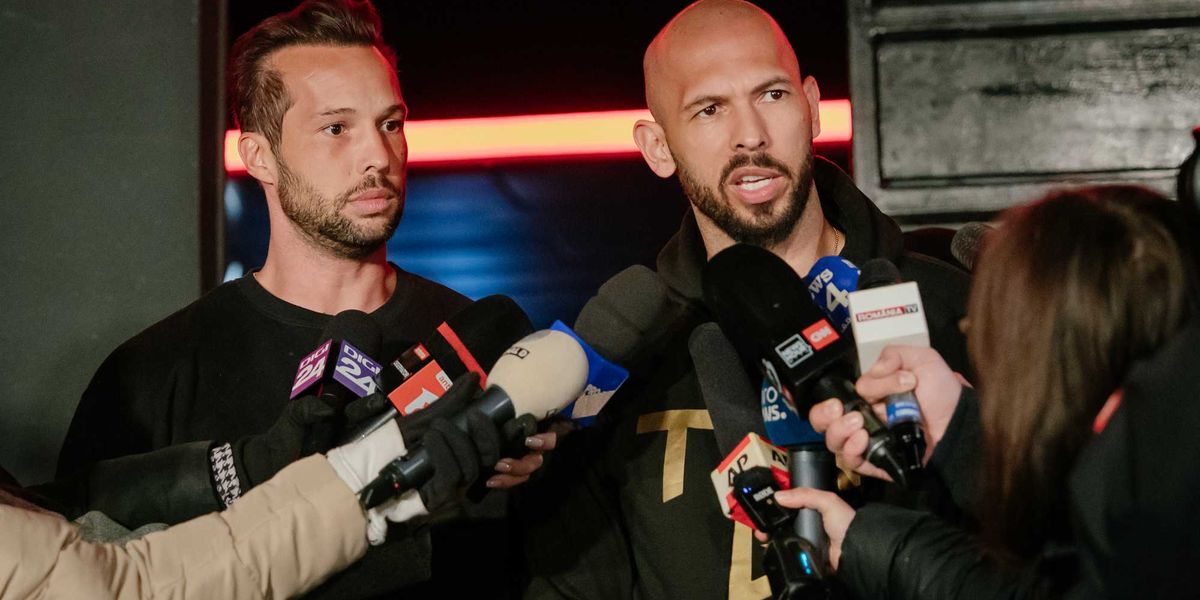
The spotlight is back on Andrew and Tristan Tate, and the big question now is whether the Trump administration will step in as the brothers face extradition-related pressure abroad. The case has all the ingredients that keep exploding into the public conversation: a high-profile legal fight, serious allegations, and a White House that could face growing demands to take a stand.
The Tate brothers remain a lightning rod, especially because the case is tied to human trafficking allegations that have kept them in the headlines for months. Any move from the Trump administration would not just be about two men with a massive online following, but about how far the federal government is willing to go when a politically charged international legal dispute lands on its desk.
Marco Rubio and the Justice Department could end up in the middle of that conversation, even if nobody is eager to say it out loud yet. When a case like this starts attracting heat, every cabinet-level player near the White House feels the pressure, and the decisions become about more than headlines. They become a test of whether the administration wants to lean in, stay quiet, or let the legal process grind forward without interference.
That is where the politics get messy. Supporters of a hands-off approach usually argue that the United States should not rush to interfere in foreign proceedings, especially when the allegations are serious and the optics are already toxic. Others think the administration should at least examine whether there is room to question the path toward extradition, particularly if the case is being handled in a way that looks politically loaded or uneven.
Andrew Tate has built a reputation as someone who thrives in conflict, and Tristan Tate has been pulled into the same storm by association. That matters because the public reaction to any possible intervention would not be subtle. If the White House even appears to favor the brothers, critics will say it is protecting celebrities with a huge online megaphone. If the administration keeps its distance, supporters may say it is showing backbone and refusing to turn a legal matter into a loyalty test.
The human trafficking angle is what makes this so combustible. These are not the kind of allegations that get brushed aside easily, and they make any conversation about extradition feel heavier from the start. For the Trump administration, that means every possible step would be viewed through two lenses at once: legal caution and political consequence.
Foreign policy also hangs over the whole thing. The White House has to think about how any signal sent on this case would be received by allies, adversaries, and the broader public watching for signs of favoritism or firmness. A simple comment, a delayed response, or a quiet diplomatic nudge can all turn into a bigger story once the press and the public start connecting the dots.
There is also the straightforward reality that extradition cases rarely move cleanly. They can be slowed by appeals, procedural fights, and back-and-forth between governments, which gives political figures plenty of room to talk without always having to act. That space can be useful for the administration, but it can also become a trap if people start demanding a clear answer and none comes.
What happens next will depend on whether the Trump administration sees this as a matter for the courts, for diplomats, or for the political team at the White House to manage carefully behind the scenes. Either way, the Tate brothers have landed in a pressure cooker where law, politics, and public outrage keep crashing into each other, and nobody in Washington will be able to pretend this one is going away quietly.
