
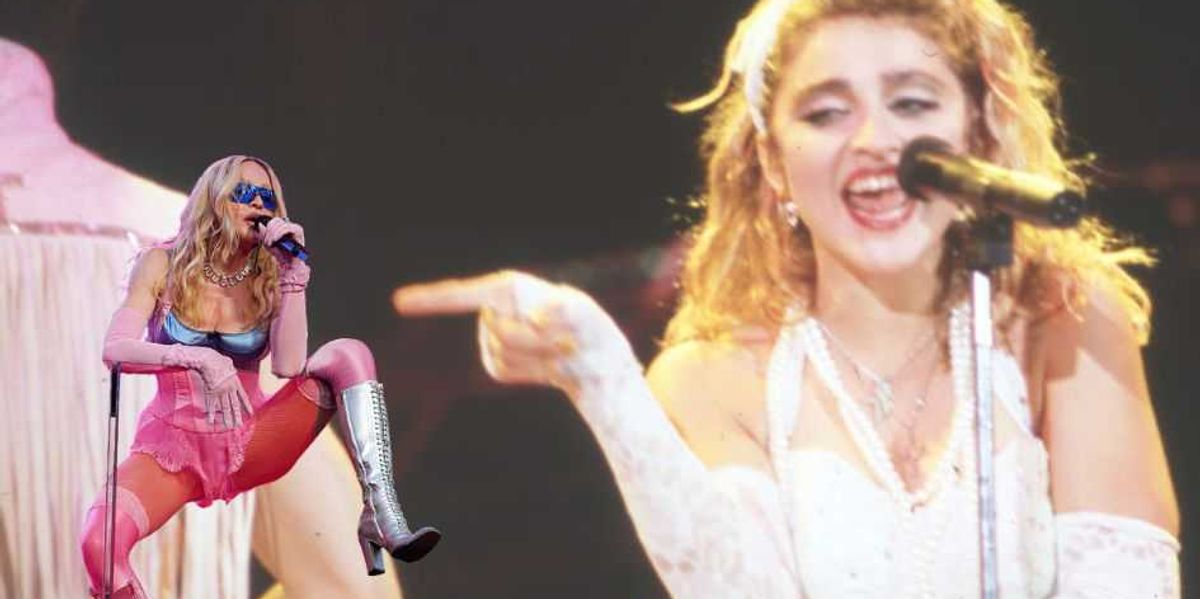
I went into this as a longtime Madonna fan, expecting the same electric chaos and fearless spectacle she built her legend on. Instead, one last concert left a very different impression, with the kind of strange aftertaste that lingers long after the lights go down.
For years, Madonna has been one of pop’s great command centers, always pushing buttons, testing limits, and turning reinvention into a public art form. That reputation alone can make people overlook a lot, because when a performer has defined whole eras, fans often arrive ready to forgive almost anything. But there comes a point when even a loyal audience starts asking whether the myth is still carrying the show.
The appeal was never just the songs. It was the attitude, the provocation, the feeling that she was always in control of the room, even when the room wanted to push back. That kind of power can be thrilling, but it also creates a brutal standard, because every new appearance has to compete with decades of memory and a very loud version of what she used to be.
What hit hardest was the contrast between expectation and reality. A concert by an artist like Madonna is supposed to feel alive in a way that borders on dangerous, full of snap, urgency, and the sense that anything might happen. When that spark is dimmer than expected, the whole experience can start to feel less like an event and more like a reminder that time gets everyone eventually.
That is part of why longtime fans can end up feeling unsettled rather than merely disappointed. A performer who once seemed impossible to contain now has to work against the weight of age, change, and a public that remembers every peak. When the performance no longer matches the legend, the gap becomes impossible to ignore.
Still, Madonna has never been an easy figure to pin down, and that is part of the reason she mattered so much in the first place. She fused pop music with image, sex appeal, rebellion, and an almost ruthless instinct for staying relevant. Few artists in modern culture have moved through fashion, religion, gender, and celebrity with the same appetite for confrontation.
That makes any disappointing live moment feel even more complicated. It is not just about one show being off. It is about watching a cultural force that once seemed untouchable run headfirst into the reality that even icons can lose some of their voltage.
There is also something brutally human about watching a superstar age in public. Fans want the old version, the one who seemed sharper, louder, and a little dangerous in the best possible way. But performers do not freeze in time, and the audience often has a harder time accepting that than the artist does.
For people who came of age with her music, the disappointment can hit like a gut punch. These songs and performances were tied to identity, rebellion, and the feeling that pop could be more than background noise. So when the experience falls short, it is not just a weak night out, it is a crack in a personal memory that used to feel untouchable.
Even so, Madonna’s place in pop history is not suddenly erased by one imperfect concert. The bigger story is how long she held the center of the stage, and how much of modern pop still borrows from the blueprint she helped create. But a final live encounter can change the emotional balance, especially when it leaves you thinking more about decline than brilliance.
That is the part that sticks. The night was supposed to be a victory lap, a final burst of the star power that made her a legend in the first place. Instead, it became a sharp reminder that nostalgia can be generous right up until the moment reality walks in and takes the microphone.
