
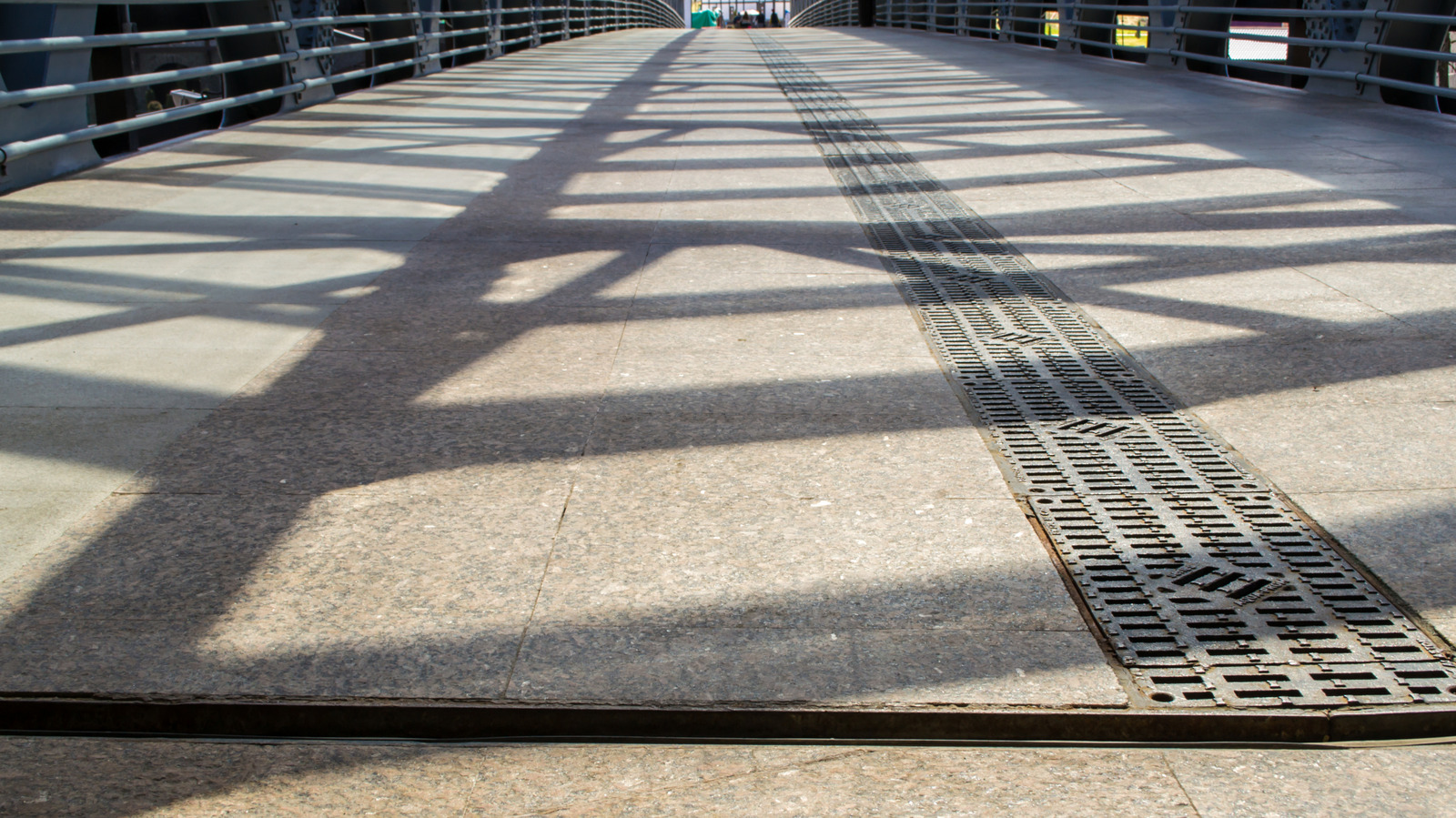
Bridges have deliberate gaps that let massive concrete and steel move without cracking, and the yellow “Open Joints On Bridge” sign warns drivers about those engineered spaces. This article explains why joints exist, how different joint types behave, which vehicles are most affected, and what drivers should do when they hit one. Expect clear, practical details about the structure, the risks, and simple precautions to stay safe.
When you see a sign saying “Open Joints On Bridge” it is not a typo or a lazy warning; it points to a necessary feature of bridge engineering. Joints accommodate thermal expansion, contraction, and bending from traffic loads so the deck and spans can move independently without destroying the structure. Without them, concrete would crack or bearings would fail, creating far bigger safety problems than a bit of noise or a bumpy ride.
There are a few common joint types you might encounter: strip seals that compress and seal narrow gaps, finger joints with interlocking plates, and larger modular joints designed for big movements. Each kind behaves differently under traffic — finger joints can be noisy and aggressive to bicycle tires, while strip seals are smoother but can fail sooner in extreme climates. Engineers choose the joint type based on span length, expected movement, and maintenance access.
Not all vehicles face the same risk when crossing open joints. Motorcycles and bicycles are the most vulnerable because narrow tires can snag or lose traction if the wheel hits the joint at the wrong angle. Low-clearance sports cars can scrape or catch if the joint material is bulging or misaligned. Large trucks usually cross safely because their wide tires and slower maneuvering spread the shock, but repeated impacts can speed joint deterioration.
Deterioration is the key maintenance issue; dirt, water, and freeze-thaw cycles pry joints apart and wear their seals, letting moisture into the deck and supports below. Once water gets under the deck it accelerates corrosion on steel and causes concrete spalling, raising long-term repair bills by orders of magnitude. That is why transportation departments schedule inspections and prioritize joints for repair long before a visible failure becomes obvious.
For drivers, common-sense behavior reduces risk: slow down, approach perpendicular to the gap, and avoid sudden steering or braking while the wheel crosses the joint. Motorcyclists should stand slightly on the footpegs if possible, keep a steady throttle through the gap, and cross at a shallow angle when signs or markings suggest rougher joints ahead. Cyclists should dismount and walk across if the gap looks large or the surface appears slippery.
Signs like the yellow warning are there to prompt those exact actions, not to alarm you. When agencies post warnings they often schedule a follow-up inspection or temporary repairs, so the sign signals both caution and ongoing attention. If you see obvious damage, such as separated plates, exposed steel, or large vertical offsets, reporting it to local authorities helps prioritize emergency fixes and prevents small defects from becoming hazardous failures.
On the infrastructure side, modern solutions aim to extend joint life and reduce driver impact by using better materials and modular designs that are easier to replace. Some bridges now adopt continuous deck systems or improved waterproofing so fewer joints are needed, but those designs cost more up front and require precise construction. Budget realities mean many older bridges still rely on traditional joints, so awareness and maintenance remain essential.
Understanding why bridges have open joints turns a confusing roadside sign into a practical safety cue. The gap exists by design to protect the whole structure, but it requires care from both engineers and drivers to manage wear and minimize danger. Stay alert, slow down when warned, and steer straight — those small steps keep people and bridges moving safely.
