
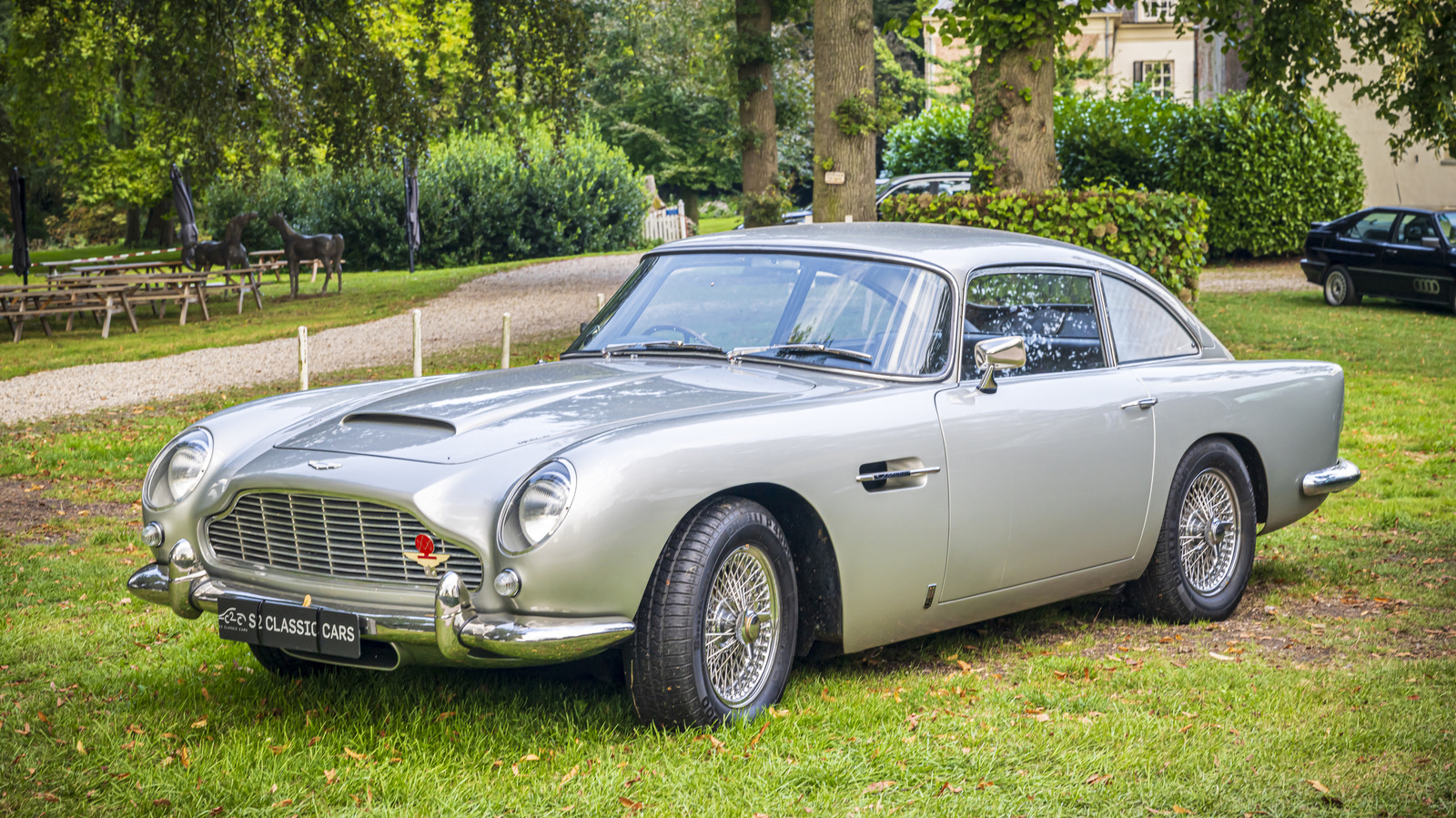
The Aston Martin DB5 is a mid-1960s grand tourer that carved its name into pop culture and automotive lore, and this piece cuts straight to the chase: what is its top speed, how that figure was achieved, and what it really means for drivers today.
Introduced in 1963, the DB5 paired classic British styling with a smooth inline-six that felt advanced for its era. Its engineering focused on balance and refinement rather than raw, modern horsepower. That approach shaped both its headline numbers and its everyday driving character.
Official factory figures for the standard DB5 put the top speed around 145 mph, give or take depending on the model year and testing method. Those numbers came from controlled runs and the best dynamometer and road tests available at the time. They reflected a machine tuned for sustained high-speed cruising as much as for outright sprinting.
Under the hood sits a 4.0-liter straight-six with triple SU or Stromberg carburetors, depending on market and spec. That engine produced roughly 282 horsepower in stock trim, which for the 1960s was plenty to push the DB5 into the mid-140s on a long, flat stretch. The gearbox, suspension, and aerodynamics all worked together to make that speed feel composed.
Real-world top speed often differs from headline figures, and the DB5 is no exception. Road surface, gearing, tire condition, and altitude all shift the outcome, and many preserved DB5s carry period tires or touring setup that limit top-end runs. Enthusiasts who chase factory numbers typically use modern tires and perfectly tuned mechanics to approach or match the published 145 mph mark.
There are also factory and aftermarket variations to consider. Aston Martin’s later Vantage iterations offered performance tweaks that nudged power up, marginally affecting top-speed potential. Restorations, sympathetic upgrades, or sympathetic modifications to cooling and fueling systems can push a DB5 beyond its original safe top speed, but that moves the car away from the stock experience and into a different category of ownership.
How the DB5 feels near its top speed is as important as the number itself. The car was designed to hold a steady, comfortable pace on long drives, with a chassis that favors grace over twitchy track behavior. At higher speeds the steering remains reasonably weighted and the ride stays composed, giving the impression of a grand tourer that could swallow miles without drama.
Safety and longevity also factor into whether owners attempt high-speed runs. Brakes of the era, even when upgraded, and vintage tire technology demand respect, so many collectors opt for spirited cruising instead of full-throttle runs. Modern owners who want to explore the DB5’s upper limits usually take precautions like upgraded braking, fresh tires, and careful route selection.
Finally, the DB5’s mystique isn’t just about top speed; it’s about the balance of looks, sound, and pace. Hitting 140-plus mph is impressive, but the real joy for most owners is how the engine revs, how the gearbox engages, and how the car behaves on a long, open road. In short, the DB5’s top speed is an important stat, but it’s only one piece of why the car still turns heads and keeps drivers smiling decades later.
