
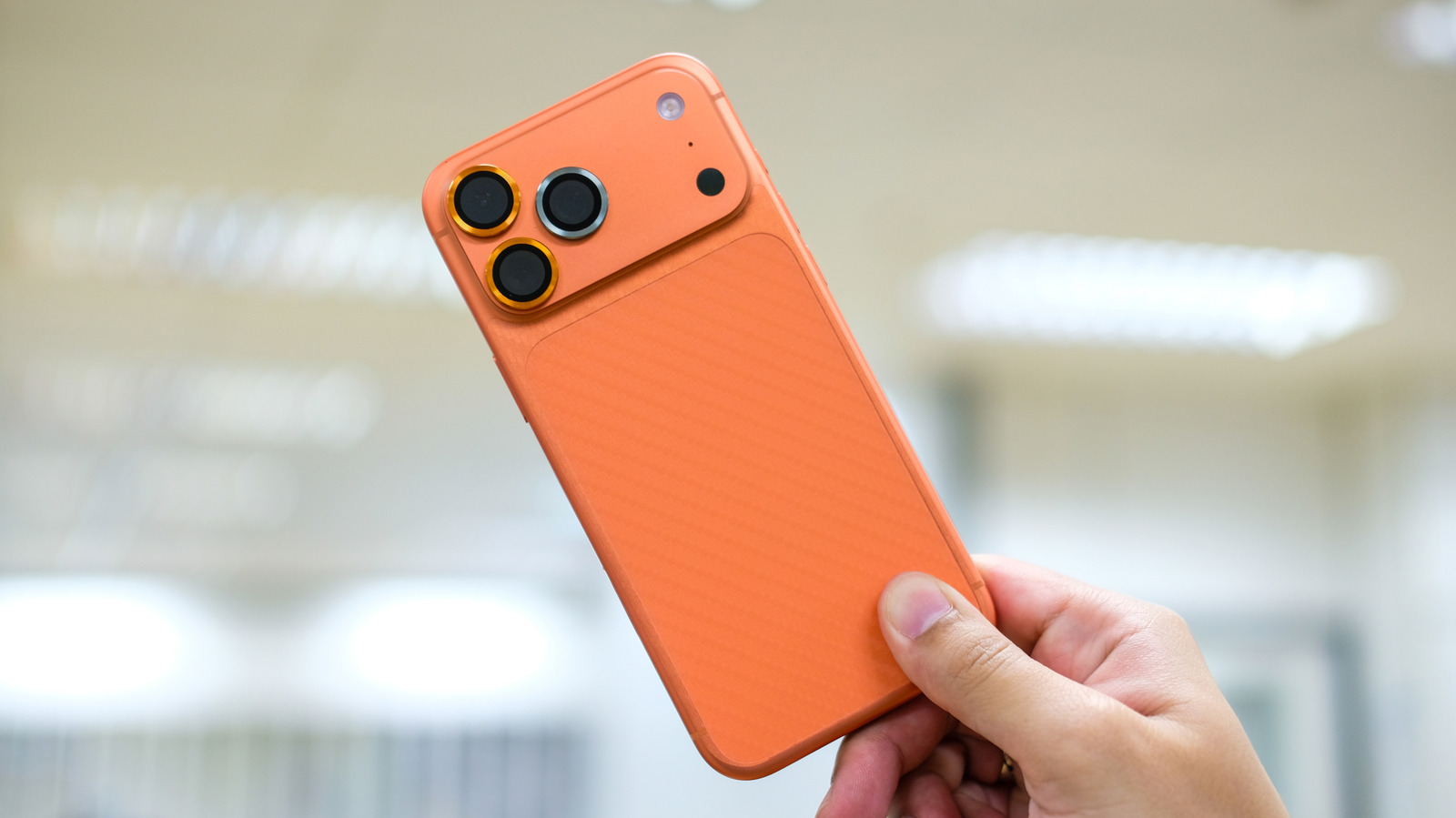
This piece imagines how Americans, a quarter millennium from now, might react when they first see an original iPhone behind museum glass, exploring the surprise, nostalgia, and questions that would bubble up as they try to place a once-ordinary object inside a very different world.
Picture a small crowd leaning over a display case, faces lit by the reflected glow of a far more advanced interface across the room. The iPhone sits there like a fossil that still remembers how to hum, and people study its rectangle of glass as if trying to decode a forgotten language. There’s a curious mix of affection and bewilderment in their chatter, like seeing a vintage car you love but can’t imagine driving.
Most visitors will feel a hit of nostalgia the way older generations do with the original iPod or a flip phone, a sudden memory of how things once felt and looked. That nostalgia isn’t just about how the device worked; it’s about the rituals it carried—swiping with a thumb, scrolling through photos, the little click of a physical button. Objects that once fit into daily life become almost theatrical when time lifts them into history.
To someone from 250 years ahead, the iPhone’s quirks will be obvious and baffling in equal measure: a glowing slab with a battery you had to charge, storage that could fill up, and a screen small enough to make you squint. They’ll marvel at the idea that a tiny device could hold maps, books, cameras, and entire social networks, and they’ll probably laugh at the way connectivity was so fragile and so fiercely defended. The contrast between that fragile convenience and whatever durable tech they use in their day will feel almost comical.
The iPhone will also stand as a cultural mirror reflecting how our era prioritized instant access and personal expression. It was a tool for making images, sending quick notes, curating a version of life for others to see, and sometimes, for arguing in public. In a museum context, it becomes less about brand or specs and more about the social rituals tied to it: how people presented themselves, how they consumed media, and how they expected to be reachable at all hours.
There will be moral reactions too. Some visitors will admire the beauty and craftsmanship of a minimalist object that married hardware and software in a new way. Others will critique the same piece as emblematic of planned obsolescence, a symbol of throwaway culture that bred constant upgrades and mountains of e-waste. Those debates will tell visitors more about us than the device itself: what we valued, what we discarded, and how we learned—or failed—to balance innovation with responsibility.
Close observation might reveal unexpected traces: tiny scratches from pocket life, a ring left by a sticker, the faint shadow of a home screen layout. Those small marks will spark stories—about late-night photos, maps used on road trips, frantic messages typed on trains. That human residue will be the most revealing thing of all, a direct link to the daily, ordinary ways people lived with technology that once felt indispensable.
In the end, the iPhone under glass will be a prompt more than an answer, inviting questions about change, memory, and value that don’t neatly resolve. Someone will tap the glass and then laugh, a child will ask whether it can fly, and the crowd will move on to the next exhibit carrying a new perspective on the past. The device will remain where it always was: a small, stubborn artifact waiting to be read by whatever future eyes come calling.
