
If you run a portable generator for emergencies, knowing when and where to bond the neutral and ground can mean the difference between safe backup power and a dangerous setup. This piece lays out clear rules for bonding or floating the neutral, how the generator frame and house grounding interact, why transfer devices matter, and practical safety steps to keep you legal and protected.
Portable generators can be confusing because the wiring rules change depending on how you hook them into your home. The key question is whether the generator’s neutral conductor is tied to the home’s neutral or is separated by the transfer equipment. That single detail decides if the generator needs its neutral bonded to the frame and grounding system or if that bond should stay disconnected.
When your transfer switch or connection isolates the generator from the utility neutral, the generator becomes a separately derived source. In that situation the neutral must be bonded to the generator frame and to the grounding conductor so that fault currents have a clear path back to ground. Bonding at the generator prevents stray voltages, stabilizes system references, and allows overcurrent devices to trip properly when a fault occurs.
If the transfer device keeps the generator neutral tied to the utility neutral, do not bond the neutral at the generator. Leaving the generator neutral floating in that setup avoids creating parallel neutral paths that can cause dangerous neutral currents in your home wiring. Many small portable units include a selectable bond/float option for exactly this reason, and that selector must match how the generator ties into the house wiring.
Never try to backfeed the grid using a generator without isolation equipment. Plugging a generator into a household outlet using a makeshift cable or bypass risks electrocution for lineworkers and can damage your appliances. The right approach is an approved manual transfer switch or an interlock that prevents the utility and generator supplies from being connected at the same time.
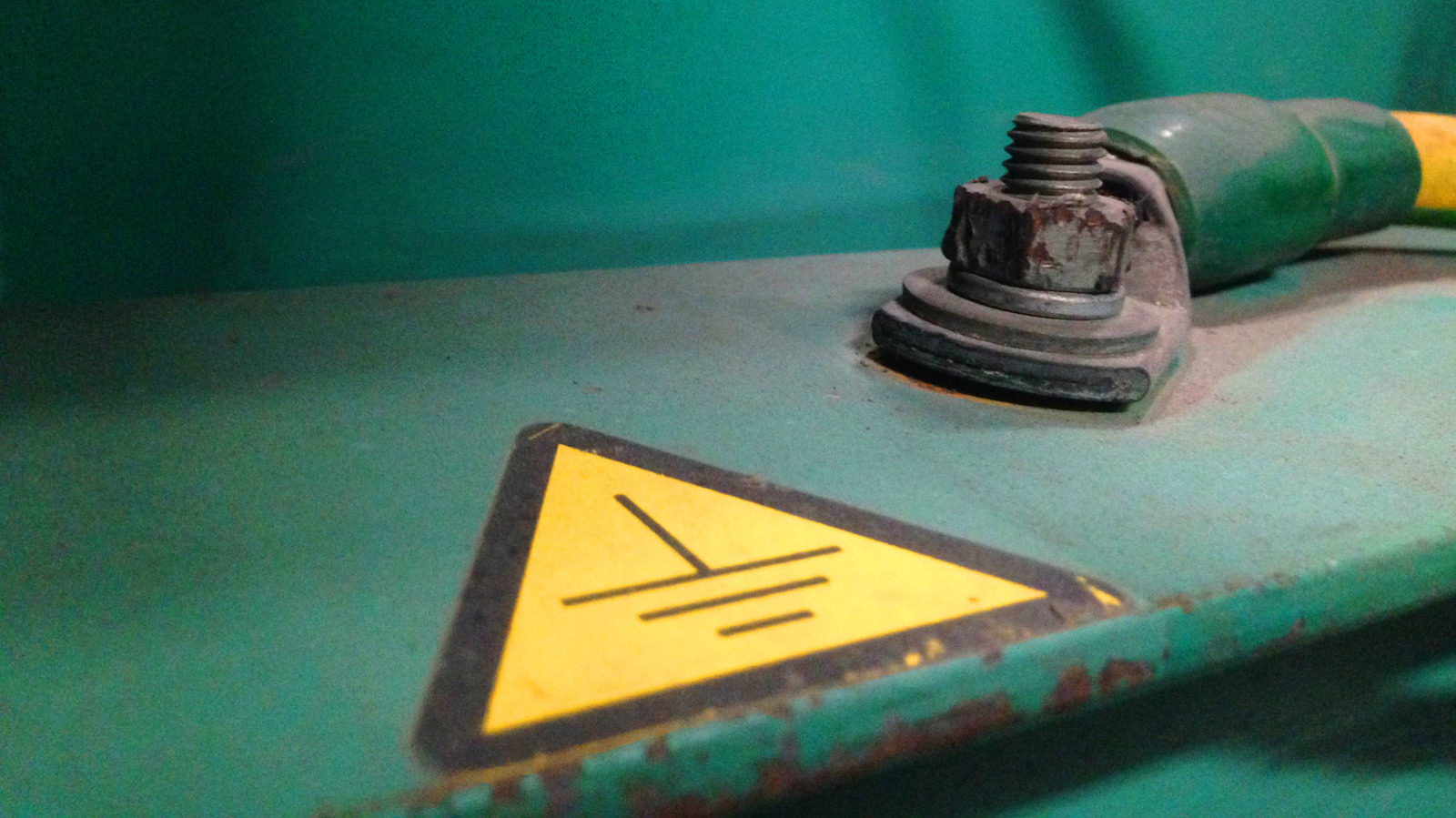
Ground rods and frame grounding are often misunderstood topics. If the generator is separately derived, a grounding electrode system may be required at the generator location depending on local code, but connecting the generator frame to the house grounding conductor is essential for safe operation. If the neutral remains bonded at the main service and the generator neutral floats, the generator frame still needs to be tied into the equipment grounding conductor that feeds the transfer switch.
GFCI protection and proper overcurrent devices are not optional safety perks. Modern portable generators and the extension cords you use should include or support ground-fault protection, especially where damp conditions or long runs of wiring are involved. A circuit that trips quickly on a ground fault can prevent shocks and fires, and your grounding and neutral arrangements affect how those devices perform.
Label and document your setup so anyone who works on the system later understands whether the generator neutral is bonded or floating. Confusion during maintenance is a common cause of dangerous mistakes, like re-bonding a neutral that should be floating. Clear markings at the transfer switch and on the generator itself cut down the chance of improper changes that could create parallel neutral paths.
Local codes and utility rules matter. National guidelines give the general framework, but authorities having jurisdiction can require specific grounding electrodes, bonding methods, or transfer equipment. If you are unsure, bring in a licensed electrician who knows local requirements and can confirm the generator and transfer switch are wired so faults clear reliably and body contact risks are minimized.
In short, bond the generator neutral to ground when the system is separately derived and isolate it when the neutral remains tied to the utility. Keep the generator frame and equipment grounding conductor continuous back to the transfer equipment, use approved transfer hardware to avoid backfeed, and prioritize GFCI and overcurrent protection. These steps keep emergency power effective without turning a lifesaver into a hazard.
