
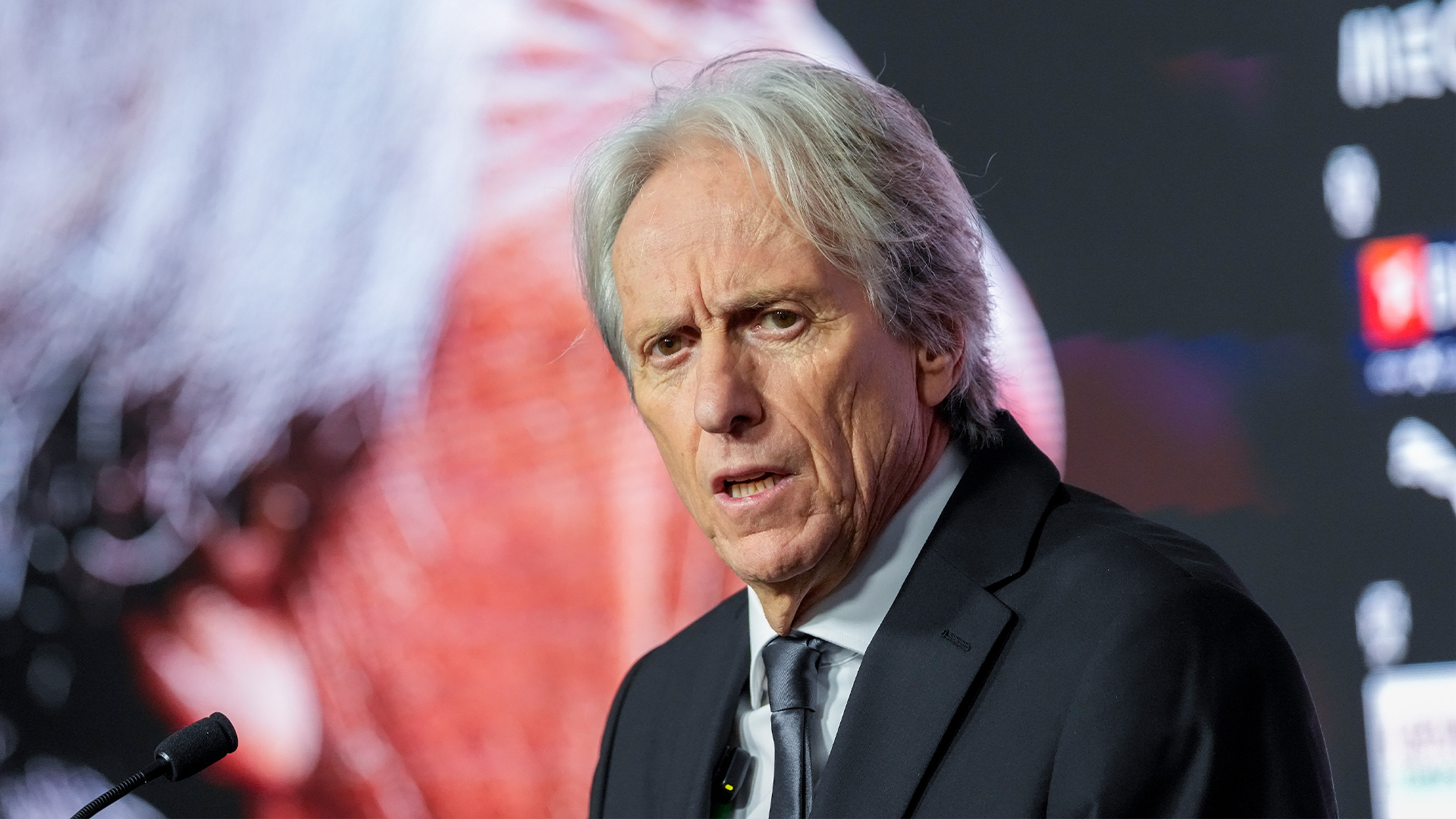
Portugal has named Jorge Jesus as its new head coach after a disappointing World Cup exit, a move meant to reset tactics, restore confidence, and bridge the gap between club success and national expectations. The following article explains why the hire matters, what Jesus brings, how the squad might change, and what fans should realistically expect in the short term.
The decision to appoint Jorge Jesus follows a World Cup campaign that left more questions than answers for Portugal. Results and performances fell short of the nation’s ambitions, and the federation opted for a familiar, high-profile solution to steady the ship. Jesus arrives carrying the weight of domestic triumphs and a reputation for demanding intensity. That mix gives him immediate credibility but also raises expectations that won’t be easy to meet.
Jorge Jesus is best known for his tactical clarity and a hands-on coaching style that demands discipline from players. At club level he has often favored a fluid attack and aggressive pressing, with clear roles for fullbacks and midfield runners. Translating that into an international setup will require tweaks, because national teams have less training time and must balance individual star power with collective structure. Still, his track record suggests he won’t shy away from imposing a distinct identity on the squad.
One immediate focus for Jesus will be assessing the core of the national team and identifying players who fit his blueprint. That means hard decisions about aging stars, emerging talents, and the balance between domestic and foreign-based footballers. He’ll likely prioritize match fitness, positional discipline, and players who accept defined tactical jobs. Those who ask for freedom without defensive responsibility may find themselves on the outside looking in.
Expect a sharper defensive shape without sacrificing attacking intent, because Jesus typically ties both together rather than trading one for the other. The team could see more intense transitional play and quicker vertical passes to exploit opponents. Set pieces and game management will also get attention; margins in big tournaments often come down to small details. How quickly players adapt will determine whether this approach lifts Portugal or simply tweaks the existing flaws.
Fans and pundits reacted with mixed feelings when the announcement came, blending hope with healthy skepticism. Supporters welcomed the appointment because Jesus brings experience and a winning mentality, but critics noted the gulf between club conditions and international realities. Media chatter will heat up as every selection and substitution becomes a referendum on his methods. That pressure is part of international football, and managing expectations is now part of the job.
The coaching staff Jesus assembles will matter almost as much as the man himself. Assistants who understand player psychology, recovery programs tailored for internationals, and modern analytical support will help bridge the club-to-country gap. If he surrounds himself with people who can translate his vision into short windows of training and match prep, the side has a much better chance of cohesion. Otherwise, the same issues that surfaced at the World Cup could linger.
Another practical task will be preparing for qualifiers and friendly windows with a clear agenda. Jesus must pick fixtures with development in mind while protecting player fitness ahead of major tournaments. Young prospects will need gradual integration rather than instant exposure. The federation’s calendar choices will either speed up or slow down the transition he wants to make.
There are pitfalls, including the risk of tactical rigidity and public impatience if early results don’t match the hype. International coaching is unforgiving: a few rough results can shift sentiment fast, even for a respected coach. Patience helps, but so does a visible improvement in how the team plays and competes. That balance between immediate impact and long-term building is the critical tightrope for Jesus to walk.
In short, Jorge Jesus’ appointment is a bold bet on structure, discipline, and a return to purposeful football after a disappointing World Cup. The next months will reveal whether he can translate club-level dominance into international clarity and if Portugal can reassert itself among Europe’s elite. Fans should brace for changes on the pitch and sharper demands off it, because this job will require buy-in from everyone involved.
