
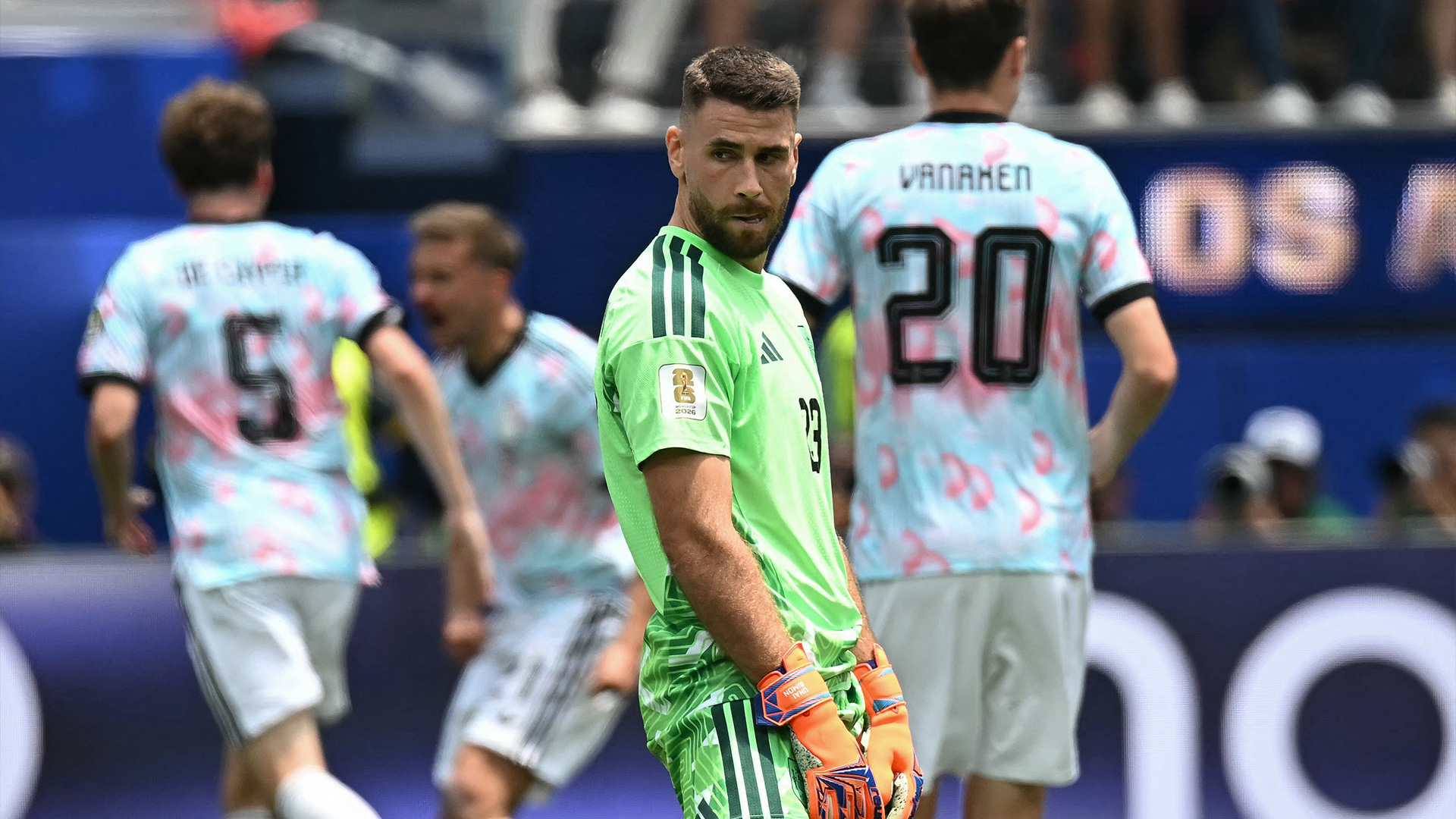
Belgium forward Charles De Ketelaere broke through in the 41st minute to score the first goal Spain had conceded in the World Cup, snapping Unai Simón’s historic shutout streak and flipping the match’s momentum on its head.
The goal arrived just before halftime and felt like a physical exhale for Belgium and a sharp wake-up for La Roja. De Ketelaere showed patience in the box and a clean finish that left the stadium buzzing. For a moment the tournament’s narrative shifted and everyone in the stands realized they were watching something that mattered.
Unai Simón’s run without conceding had been a headline all tournament, a quiet fortress between the posts that gave Spain a sense of calm. That calm dissolved in the 41st minute, when a single sequence of pressure and movement found the tiniest gap. From that moment the match opened up, and Spain had to respond to a new reality.
The goal itself came from a patient Belgian build that punished a small defensive slip, with De Ketelaere arriving in the right place at the right time. His finish was tidy and decisive, not flashy but exactly what his team needed to capitalize. It was the kind of goal that rewards persistence and punishes hesitation.
Spain’s reaction was immediate: a sharper tempo, more probing runs into the final third and a push to regain control of possession. The defense tightened and midfielders began to take more risks to claw back territory. Simón, who had been an island of reliability, suddenly had an extra level of scrutiny and urgency placed on him.
Belgium, sensing an opening, shifted into a compact counterattacking posture that sought to exploit space left behind Spain’s advancing fullbacks. They were not content to sit on the lead; instead they looked to make Spain pay for chasing control. That approach turned the match into a chess game of possession versus opportunism.
For coaches and tacticians, the goal rewired the instructions at halftime and in the break moments that followed. Adjustments were made to personnel and pressing triggers, with both benches trying to tilt the balance back toward their favor. Small changes in formation and movement suddenly carried outsized importance.
The crowd’s energy flipped with the scoreline, a mix of disbelief and delight for Belgians and stunned silence turning into encouragement for Spanish fans. On social feeds and in the stands the tone of the match changed from routine dominance to a tense, high-stakes slugfest. That emotional swing can fuel late comebacks or extra caution; it often decides who seizes control down the stretch.
De Ketelaere’s moment will be replayed in highlight reels for its timing and consequence, a reminder that single actions can rewrite tournaments. For Spain it was a test of resilience and a chance to show depth beyond their goalkeeper’s form. The remainder of the match promised to be a battle of adjustments, nerve and who could handle the sudden pressure best.
