
Doctors have long served in the Senate, bringing calm under pressure, clinical judgment and an understanding of people that politics sorely needs; this piece looks at that tradition and why the label “physician” matters when a candidate who trained in medicine claims it while lacking an active license and clinical practice. It examines qualifications versus titles, the public trust that attaches to clinical practice, and why precision about roles matters when voters evaluate who should hold power. The argument is straightforward: titles should reflect work, and claiming the mantle of a practicing physician when you do not meet the commonly accepted standard is a serious issue.
There is a deep American tradition of physicians serving in the Senate and shaping health policy with firsthand experience. Names like John Barrasso, Bill Cassidy, Rand Paul, Roger Marshall and Bill Frist come to mind as examples of clinicians who carried patient care into the legislative arena. That mix of medical training and practical experience gives those senators credibility on complex issues where lives are on the line.
Medicine demands compassion, steady judgment and the ability to act under pressure, which are exactly the qualities you want from a lawmaker deciding on public health and national policy. Those traits are earned in the clinic and the operating room, not just in textbooks. Voters deserve clarity about whether a candidate has actually practiced medicine or only holds a degree.
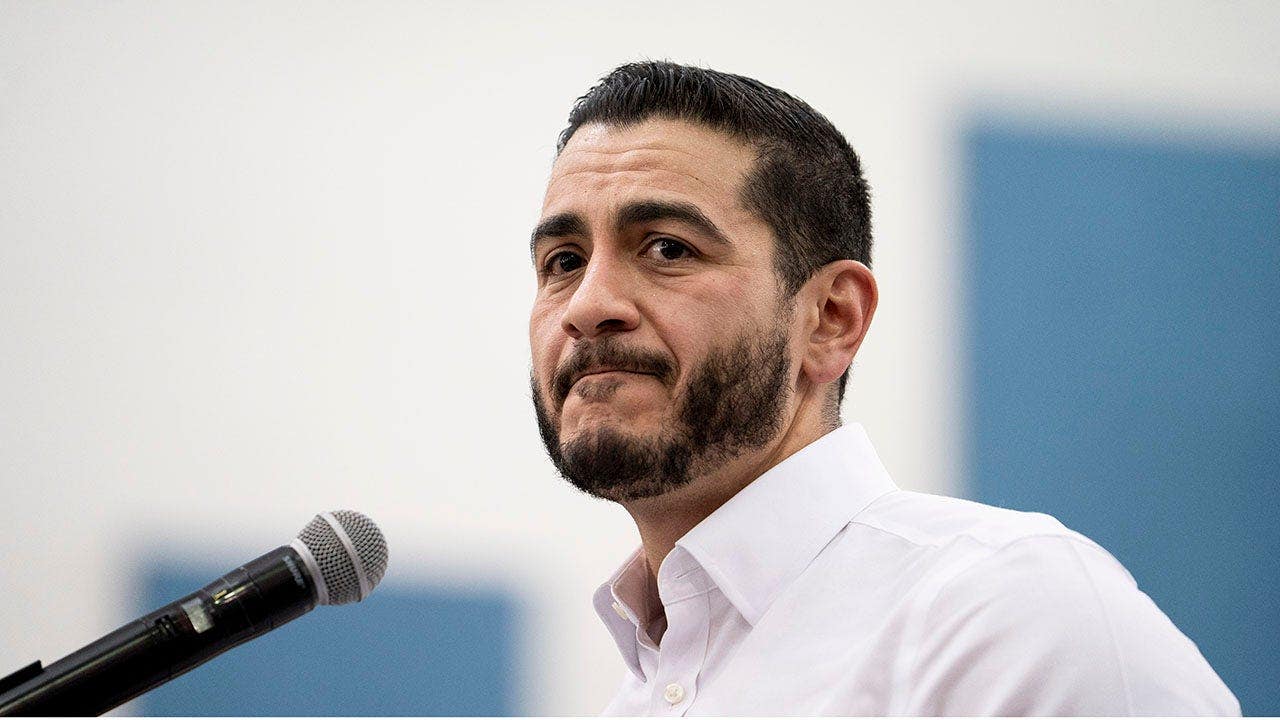
That brings us to Dr. Abdul El-Sayed and a practical question about how he identifies himself in this Michigan Senate primary. Public discussion has focused on whether he can accurately call himself a physician when state licensing records suggest he has not held an active license to practice medicine. The issue is simple: what does the title mean in everyday medical and legal practice?
LEFT-WING HOST PRESSES EL-SAYED OVER ‘PHYSICIAN’ CLAIM, QUESTIONS HONESTY OF MICHIGAN DEM SENATE HOPEFUL
The moment that crystallized the controversy came when Mehdi Hasan asked El-Sayed a pointed question during an interview: “Do you wish you’d just stuck to calling yourself a doctor, which you are, to avoid all of this controversy and attacks on your physician status?” That line of questioning landed because people instinctively expect the word physician to mean active clinical care or direct involvement in medical treatment. Ambiguity breeds mistrust at a time when public confidence in institutions is fragile.
From my perspective as someone who has cared for patients, the distinction is not pedantic. State medical boards typically reserve the title physician for those authorized to practice medicine or surgery. That regulatory framework exists to protect patients by making clear who is trained and authorized to provide care.
Calling yourself a doctor is technically accurate if you hold the relevant degree, and many professions employ the term doctor for academic reasons. But the common understanding of physician implies that someone is actively engaged in treating patients or conducting physician-level research. That everyday meaning matters in political contexts where voters weigh personal experience heavily.
El-Sayed has strong academic credentials: a medical degree from Columbia and a doctorate in public health from Oxford, plus leadership roles running health departments and academic appointments. Those qualifications make him a public health expert and a doctor by degree. They do not, however, equate to being a practicing physician in the sense most patients and clinicians understand.
DEM SENATE HOPEFUL’S ‘PHYSICIAN’ CAMPAIGN PITCH UNDER FIRE AFTER LICENSE RECORDS REVEAL KEY GAPS
Simply put, being a physician means assuming patient care or pursuing treatments as a physician-scientist. The historical and ethical roots of the term emphasize engagement with the natural world and the practice of healing. As the American Medical Association Journal of Ethics put it, “The term ‘physician’ has been around since the days of Aristotle, and derives from ‘physik,’ an ancient Greek word for ‘nature.’ Physicians were those engaged in the study of the natural world. Hippocratic physicians understood illness as part of the natural order, as contrasted with those healers who believed that illness was part of the supernatural order, and sought explanations for illness in the physical world.”
El-Sayed’s policy positions, including strong support for Medicare for All and his book “Medicare for All: A Citizen’s Guide,” are part of a broader public health vision. That debate about policy is legitimate and important. But policy positions do not magically convert an academic or an administrator into a practicing physician.
There is also a practical angle that matters to clinicians. Much of what doctors understand about the American health system comes from daily struggles with insurers to secure costly, sometimes life-saving treatments for patients. That hands-on negotiation informs how clinicians view Medicare and the limits of government-run programs.
Senators who are physicians bring a rare blend of technical know-how and bedside experience that benefits policymaking. If a candidate is going to position himself in that company, transparency is essential. Starting from an accurate description of your role and experience is the responsible thing to do for voters, for patients and for the integrity of the medical profession.
