
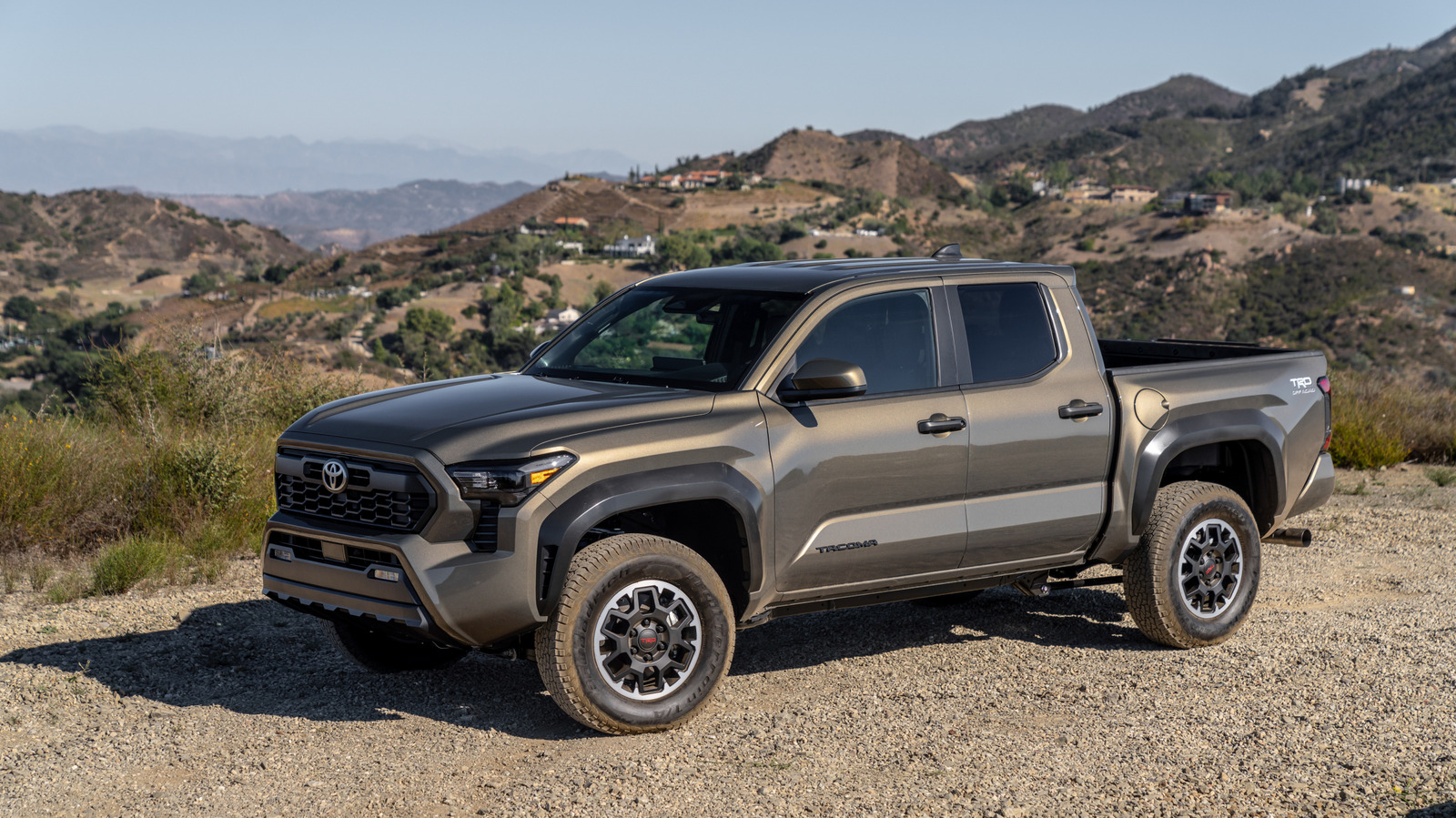
Toyota is shifting production of its popular Tacoma pickup from Mexico back to the United States, a move that affects jobs, supply chains, and what buyers can expect at dealerships. This article breaks down the reasons Toyota gave, the expected timeline, how the shift could reshape manufacturing and logistics, and what it means for workers and consumers. Read on for the essentials without the fluff.
Toyota says moving Tacoma production to the U.S. responds to changing market dynamics and the company’s desire to be closer to its biggest customer base. Bringing assembly lines stateside can reduce transit times, simplify parts flow, and keep final quality checks near the consumer. For a truck that thrives on being reliable and readily available, proximity matters.
One immediate benefit is job creation in American plants and their supplier networks. Assembly work, parts manufacturing, and logistics roles could expand as production ramps up, offering steady employment in regions chosen for the shift. That said, transitions of this size also require training, investments in tooling, and coordination with local suppliers to meet Toyota’s standards.
From a supply-chain angle, producing Tacomas in the U.S. shortens the route between parts makers and final assembly, which can cut costs and lower exposure to cross-border delays. It also reduces reliance on long ocean shipments and the unpredictability of port congestion. Those operational savings can translate to more consistent inventory at dealers and fewer shipping surprises for buyers.
The decision is also a response to broader political and economic pressures encouraging domestic manufacturing. Tariffs, trade policy shifts, and public expectations about keeping jobs at home all play a role in corporate site choices. For Toyota, aligning production with these trends helps manage regulatory risk and strengthens its brand among buyers who prefer American-made vehicles.
Consumers might notice changes, but not overnight. Moving assembly lines and certifying plants takes time, so Tacomas made in the U.S. will appear gradually as factories reach full capacity. Expect Toyota to stagger the transition to keep dealer inventory healthy and avoid shortages that frustrate buyers.
Cost implications are complex. Labor and operating costs in the U.S. can be higher than in Mexico, but savings from shorter supply chains and reduced tariffs can offset those differences. Toyota will balance wages, automation investments, and supplier arrangements to keep the Tacoma competitively priced while protecting margins.
There are risks to consider. Reconfiguring production can create temporary bottlenecks, supplier mismatches, or quality hiccups if not managed carefully. Toyota’s global experience and lean manufacturing approach reduce those odds, but any major transfer of production needs careful execution to prevent buyer dissatisfaction.
For regional economies, the return of Tacoma production is a big deal. New contracts for parts suppliers and increased spending in local communities follow factory hiring, boosting nearby service industries and tax bases. The scale of that impact depends on how much of the supply chain Toyota localizes versus continues to source internationally.
Dealers and sales teams will watch inventory and delivery timing closely during the rollout. Buyers who prefer American-built vehicles may see more Tacomas labeled as U.S.-assembled, and marketing will likely highlight that fact. Ultimately, Toyota aims to keep the Tacoma’s reputation intact while smoothing the operational benefits of closer-to-home manufacturing.
The move also sends a signal to competitors and suppliers about the value of onshoring core models. If other automakers follow, the industry could see broader reshoring trends that reshape where parts are made and where workers find stable jobs. For now, Toyota’s shift is a practical bet on efficiency, resilience, and meeting customer expectations right where demand is strongest.
