
Air travel is one of the harder sectors to clean up, and the industry is chasing alternatives to crude oil that could actually cut aviation emissions. This piece looks at the practical options on the table, the hurdles to scale, and why a real shift will need new fuels, airports that can handle them, and stubborn markets to change. Expect clear-eyed reporting on SAF, hydrogen, e‑fuels, and the supply chain realities that decide whether any of these technologies move past pilots and into everyday flights.
The most talked-about path today is sustainable aviation fuel, or SAF, which can be made from waste oils, agricultural residues, or synthesized from captured carbon. Some versions are drop-in replacements that work with existing engines, which makes them appealing for airlines that do not want to overhaul fleets. But the supply is tiny compared with global jet demand, and many SAFs still come with tradeoffs in cost and lifecycle emissions depending on the feedstock used.
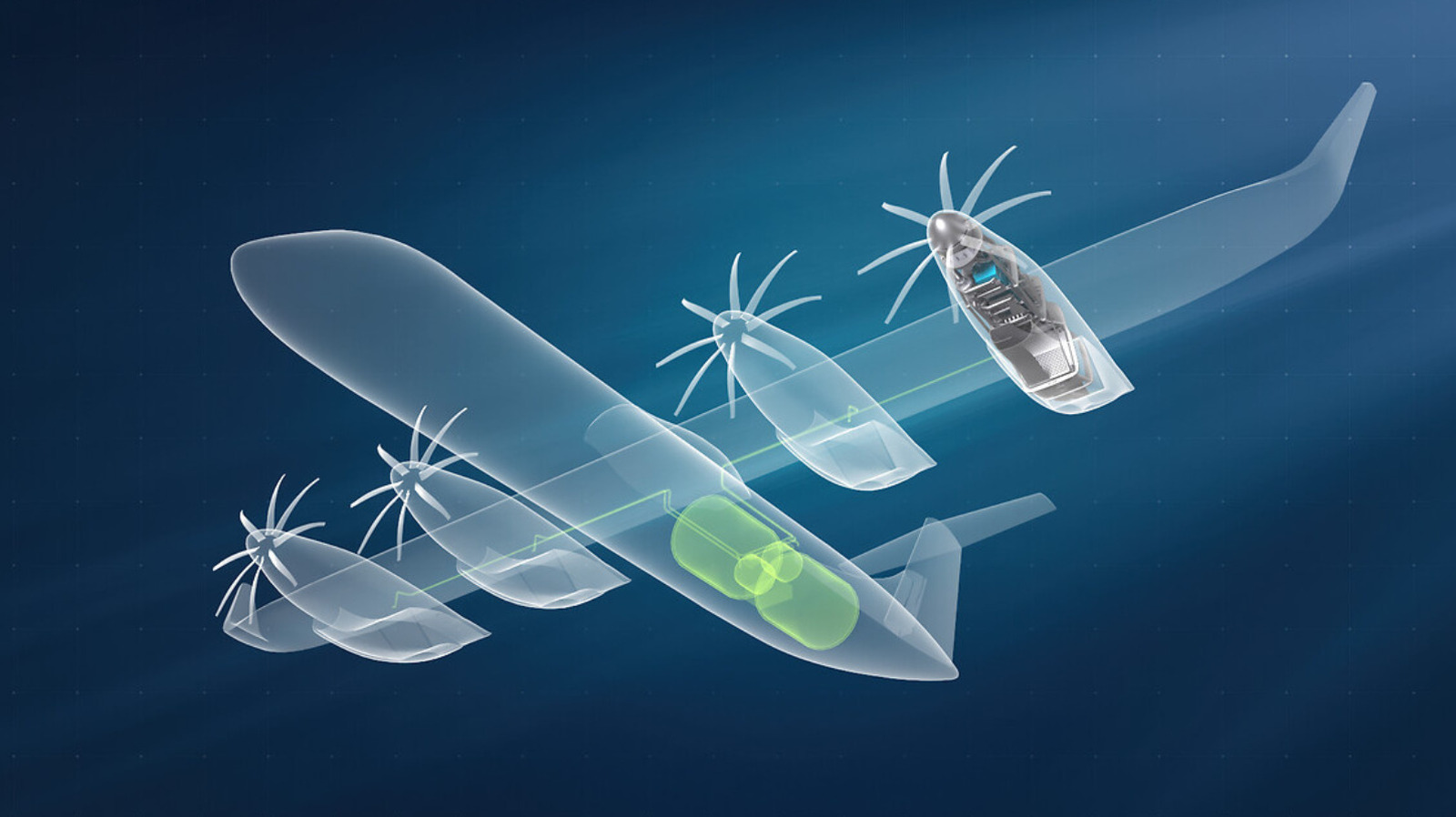
Hydrogen has grabbed headlines as a zero-carbon fuel at the point of use, especially for regional planes and future designs built around fuel-cell or hydrogen-turbine systems. It promises no CO2 when burned, but storing and transporting hydrogen needs space and cryogenic tanks that change aircraft design and airport logistics. Producing truly green hydrogen requires massive clean electricity or carbon-free hydrogen production, so the claim of zero emissions depends heavily on how the hydrogen is made.
Power-to-liquid e‑fuels attempt to sidestep fuel replacement problems by creating molecules identical to conventional jet fuel from hydrogen and captured CO2. The chemistry means engines and infrastructure need little to no change, yet the process is energy intensive and currently expensive. If the electricity feeding those plants is renewable and cheap, e‑fuels could be a meaningful long-term solution, but that requires industrial-scale renewables and carbon capture systems to match aviation’s appetite.
Airlines and manufacturers are testing small demonstrators and short routes on battery-electric and hybrid aircraft designs, mostly for short hops under 500 miles where weight and range limits matter less. Batteries are improving, but energy density still lags far behind liquid fuels, so electric aviation looks more like regional routes and urban air mobility than transoceanic flights. Hybrid architectures can buy time, blending batteries or hydrogen with current propulsion to cut fuel burn while new fuels scale up.
Even if the tech is ready, economics and policy will shape which options win. SAF and e‑fuel plants need consistent demand and long-term offtake contracts to attract investment, while hydrogen requires coordinated upgrades at airports and in supply chains. Carbon pricing, incentives for low-carbon fuels, and clear sustainability rules for feedstocks will push markets toward cleaner choices, but policy patchiness means some regions move faster than others.
A lifecycle view is essential: counting emissions from feedstock production, fuel processing, and transport often changes the picture compared with tailpipe-only accounting. Some bio-based SAFs can reduce emissions meaningfully if they avoid land-use change and compete with food production, but poor feedstock choices can produce only modest gains. Independent, transparent certification and robust sustainability standards are key to ensuring claimed emissions reductions actually materialize.
What matters for travelers and carriers now is that a mix of solutions will likely be required: more efficient aircraft, operational fixes like better routing and weight savings, and cleaner fuels where they make sense. Scaling supply chains and building infrastructure are the heavy lifts, and those will demand money, clear regulation, and technology pickers willing to commit to long-term purchases. In the meantime, realistic timelines and honest accounting will keep conversations productive and focused on the options that can deliver measurable emission cuts at scale.
