
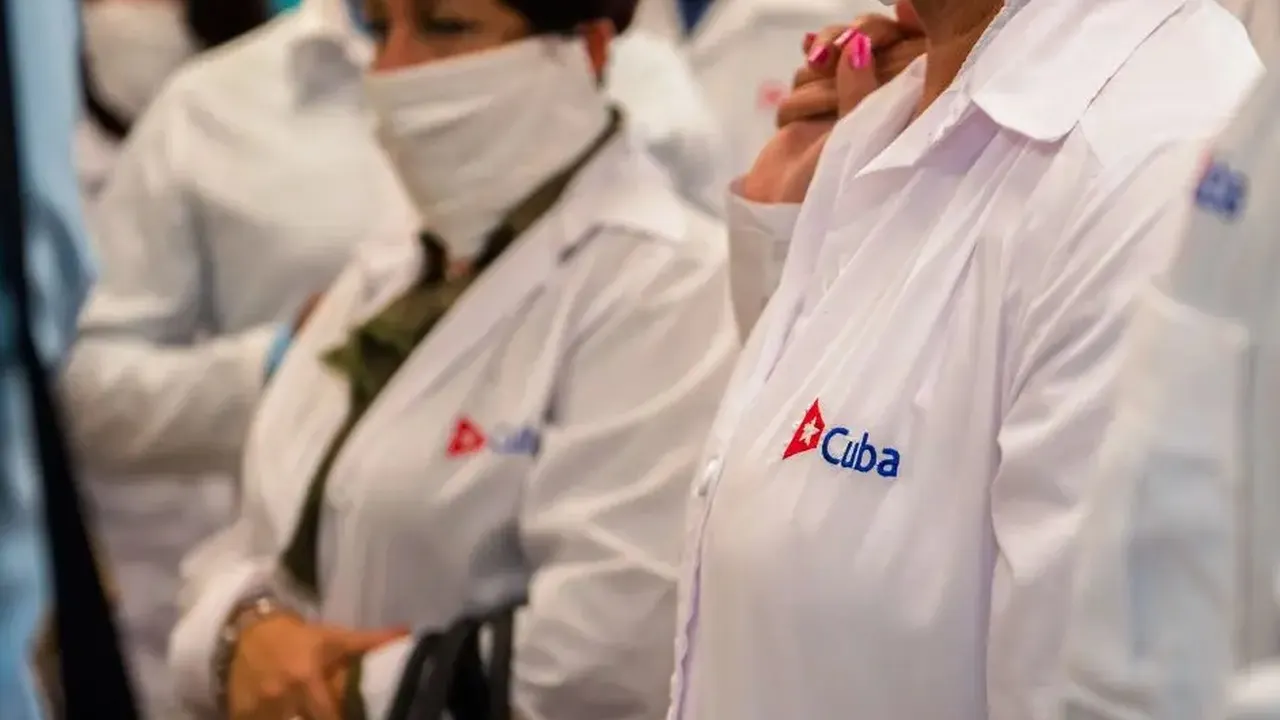
Congress passed a law in February 2026 that targets nations complicit in the Cuban regime’s exploitative medical missions, naming offenders and imposing real penalties if they don’t change course. The measure forces accountability, exposes who is funding forced deployments, and has already prompted governments to rethink their deals while a related fiscal-year 2027 measure heads to the House for a vote soon.
For decades the Castro regime turned medical missions into a revenue machine, sending doctors abroad under pressure and lining up buyer countries to pay for their services. This wasn’t charity; it was a state-run export scheme that deployed health professionals to places most governments avoided, all while the regime kept the lion’s share of the money. The results were predictable: profits for the dictatorship and hardship for the people who actually provide care.
The doctors themselves see almost none of those earnings, with most of the wages siphoned off before the professionals ever touch them. Estimates put the regime’s take at roughly $4 to $8 billion annually, and operatives often hold between 75 and 95 percent of what the workers are paid. That’s not a fair contract, it’s coercion dressed up as diplomacy.
U.S. diplomatic reporting has been blunt about the methods used to control these workers: passports confiscated, family members kept at home as leverage, handlers assigned to monitor movements, and threats or punishments when someone tries to leave. Since 2010 State Department assessments called the program exploitative, and in 2020 State labeled the practice “human trafficking” or “forced labor” run by the Cuban regime. Those aren’t vague accusations — they’re formal findings based on testimony and consistent patterns of abuse.
A key new clause tucked into the Consolidated Appropriations Act of 2026 requires the State Department to compile and publish a list of countries or groups that pay for these Cuban personnel and to notify those governments they have been named. If a nation remains on that list for two consecutive years, the statute cuts a hard line: elimination of U.S. foreign assistance, travel bans for involved officials, and the possibility of freezing assets tied to those officials in the United States. The penalty structure is designed to force choices: stop enabling the exploitation or face tangible consequences.
The law is already changing behavior. Several countries have scaled back or ended their participation in Cuba’s programs, and others are reworking contracts to try to pay doctors directly instead of routing funds through Havana. The dictatorship has often refused direct-pay proposals, which shows how entrenched the system is, but the mere threat of losing U.S. aid and access to America’s financial system has shifted calculations. The Trump administration backed enforcement with visa restrictions on officials tied to these programs in a handful of countries, showing that policy and pressure can work hand in hand.
This approach is straightforward and unapologetic: shine a light on who benefits, deny comfort to regimes that traffic in people, and protect the professionals being exploited. Past administrations on the left sometimes looked the other way for geopolitical reasons, but this law makes the cost of complicity clear and immediate. It’s a rules-based response that uses leverage effectively rather than leaving abuses unpunished.
What comes next is practical and political — the House will consider the related fiscal-year 2027 provision, and ongoing enforcement will require vigilance from lawmakers and diplomats alike. Continued pressure, targeted sanctions, and clear conditions for the restoration of aid give the United States tools to defend human dignity while cutting off a vital revenue stream for the Cuban dictatorship. That’s the point: protect the doctors, penalize the enablers, and keep up the diplomatic pressure until exploitation ends.
