
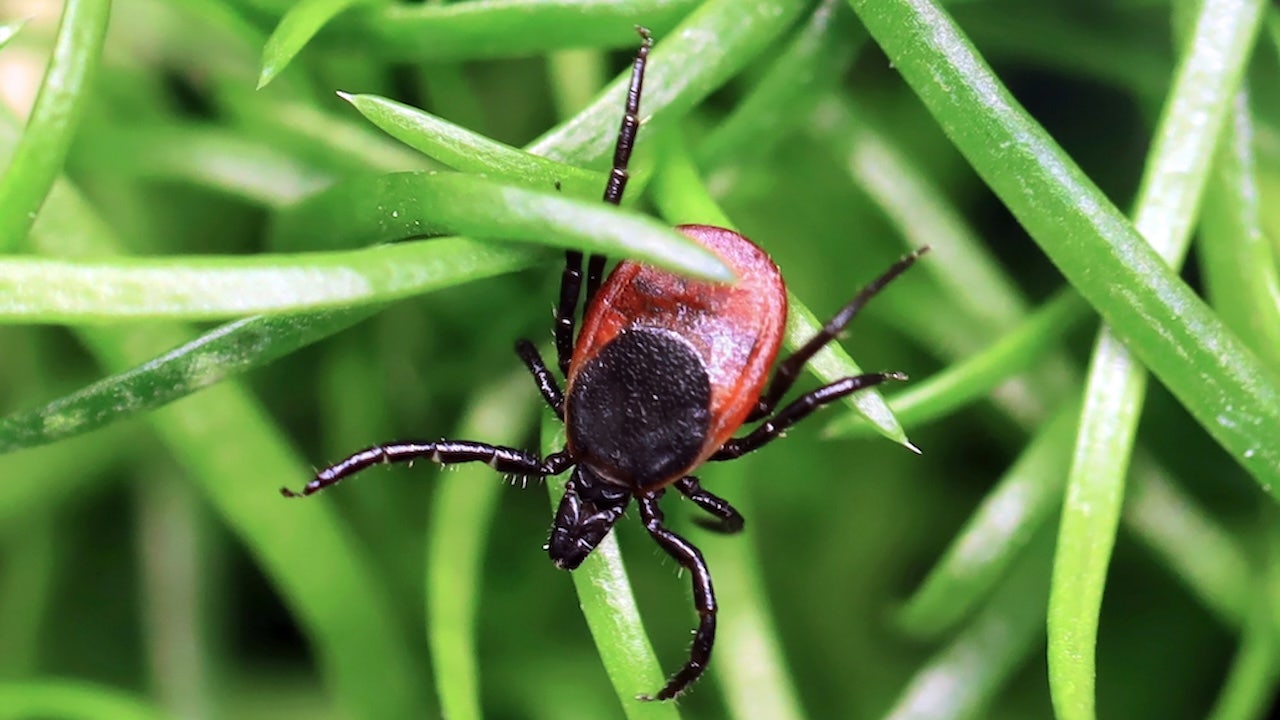
Powassan virus is a rare but increasingly visible tick-borne illness that traces back to a 1958 pediatric death in rural Canada and has now cracked into public awareness as case counts climb. This piece walks through the virus’s origin, how it spreads, what it does to the body, and why its fast transmission makes it a distinct threat compared with other tick diseases. Expect clear facts about symptoms, risks, and why there are still no targeted treatments or vaccines.
The story of Powassan starts in 1958, when a 4-year-old boy on a farm died from a mysterious illness that baffled clinicians. The virus was later linked to a tick found on a dead squirrel near Powassan, Ontario, giving the pathogen its name. That early mystery foreshadowed a disease that would remain rare but deadly and hard to predict.
For decades Powassan sat in the background of infectious disease monitoring, a medical curiosity more than a headline. Now data show a sharp uptick: 76 Americans were diagnosed in 2025, the highest annual total on record, compared with a historical average of just seven to eight cases per year. Those numbers still leave Powassan uncommon, but they also raise real public-health alarms.
The virus spreads primarily through the bite of infected ticks, most often deer ticks and the woodchuck tick. Unlike Lyme disease, which typically requires many hours of attachment before transmission, Powassan behaves differently. “One of the most dangerous aspects is its rapid transmission,” Dr. Jorge P. Parada, a medical advisor at the National Pest Management Association in Chicago, told Fox News Digital.
“Powassan can be transmitted in as little as 15 minutes after the infected tick bites, while Lyme disease usually requires a 36- to 48-hour attachment time for transmission.” That speed changes how people need to think about tick encounters because the old rule—remove a tick within a day and you’re probably safe—does not reliably apply. Quick bites in the yard or on a hike can still pose a serious risk.
After infection, the virus has an incubation period of about one to four weeks before symptoms may show up. Early signs can be nonspecific: fever, headache, vomiting, and weakness, and some people never develop noticeable symptoms at all. But for a subset of patients the disease takes a severe turn into the nervous system.
Powassan can lead to encephalitis, inflammation of the brain, and meningitis, inflammation of the membranes around the brain and spinal cord. Severe cases often bring confusion, loss of coordination, trouble speaking, and seizures, and about 10 percent of those with serious neurological disease die. Survivors can be left with long-term neurological problems that affect quality of life.
No antiviral drugs or vaccines specifically target Powassan virus yet, so treatment focuses on supportive care like IV fluids and respiratory support when needed. That gap in medical countermeasures means prevention—avoiding tick bites and being vigilant after exposure—is the main defense. Public health guidance stresses personal protection and awareness during the late spring through mid-fall window when ticks are most active.
Anyone can get seriously ill from Powassan, but children, older adults, and people with weakened immune systems face higher risks. Given the virus’s ability to transmit quickly and its potential for severe neurological harm, health professionals say tick prevention and early medical attention after a bite are critical. As cases edge upward, the combination of surveillance, public awareness, and research into treatments and vaccines will determine how the threat evolves.
