
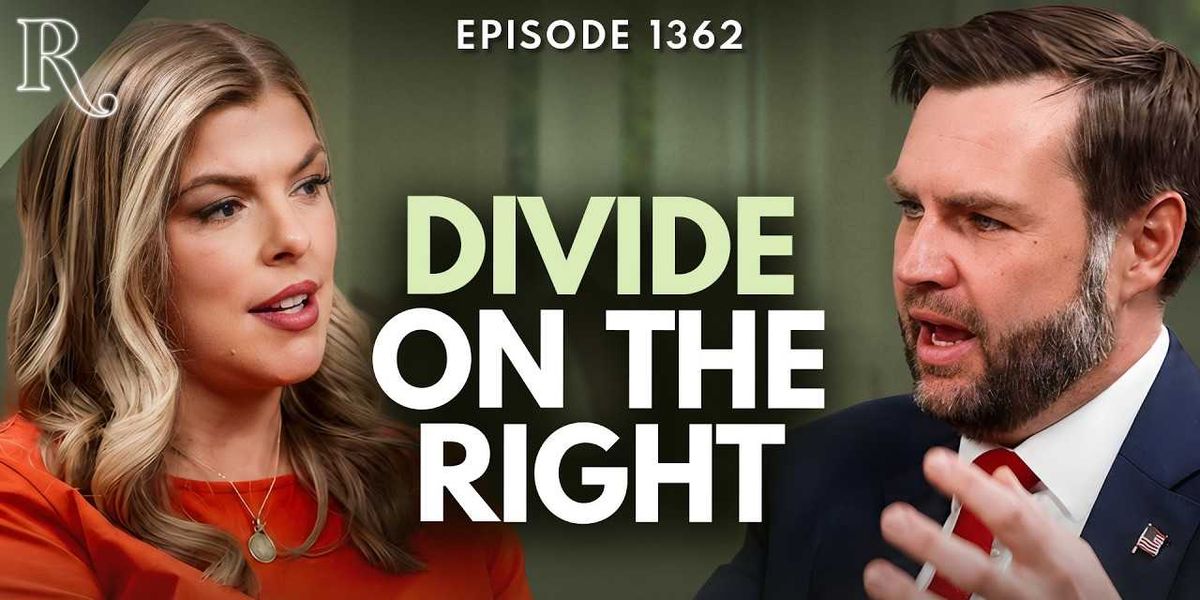
Vice President JD Vance says the sudden death of Charlie Kirk reshaped how his family thinks about life and children, and in a candid interview he described how grief pushed him and his wife toward having another child. He spoke with Allie Beth Stuckey about those raw moments, admitting the shock of loss made him re-evaluate what matters, and ultimately convinced them to grow their family despite the challenges. Vance was frank about age, spotlight, and the influence of Erika Kirk’s grieving words, which helped turn private sorrow into a decision for more life. This piece walks through his reflections, the role grief played, and the personal reasons that nudged the Vances toward a fourth child.
Vance sat down with BlazeTV host Allie Beth Stuckey and opened up about family life in plain terms, the sort of conversation conservatives appreciate for its honesty. He talked about the leap from zero to one and how every parent remembers that first scramble and shock. “So this has been sort of an ongoing conversation, as it probably is with all families with a lot of kids, and you know, I remember when we had our first kid and you go from zero to one, I was like, I’m never doing this again,” Vance tells Stuckey. It’s the kind of admission that strips away the political theater and leaves the human moment.
He didn’t sugarcoat how demanding early parenthood can be, calling the first baby a jolt to the system and noting real differences between children. “It was such a shock to the system,” he explains, noting that his oldest was a “tougher” baby. That mix of humor and honesty makes his account relatable for people who juggle careers, faith, and family. For conservatives who value family as a core institution, his point lands: children change everything, and that’s sometimes the point.
As the Vances added more kids, Vance admits his attitude shifted dramatically from reluctance to enthusiasm. “And then we had number two and number three. And now I’m just all like, I would have nine kids,” he says. There’s a bluntness there that feels real, the kind of offhand line delivered by someone who has seen how family shapes a life and a worldview. It’s not about a policy platform; it’s about a lived choice that resonates with many in the Republican base who celebrate large, faith-filled households.
Age and public life complicate those choices, and Vance makes that point plainly when he talks about his wife, Usha, turning 40. “The older that you get, the harder it is on the body. And so she was kind of like, you know, I don’t really know that I want to be pregnant again. Like I’d love to have a fourth baby; I don’t want to be pregnant again with all the spotlight,” he explains. That line exposes the real trade-offs for families in the public eye: joy and sacrifice, private longing and public scrutiny. He frames it as a shared conversation, the sort of honest bargaining many couples experience behind closed doors.
Then came a moment that changed everything for Vance and his wife: the aftermath of Charlie Kirk’s death and the sight of Erika Kirk grieving. Vance recounts the trip to bring Charlie home and the helplessness that accompanies loss. “And you know, when Charlie died … we fly out the morning of the 11th, pick up his body in Utah, and then fly him and Erika and some of the family back to Arizona. And you know, there’s so many things I remember from that moment, and you know, you see Erika and you want to say something profound, but what can you possibly say? There’s just nothing to say,” he continues. That scene is raw and quiet, the kind of moment that changes priorities without fanfare.
What Erika said through tears is what ultimately shifted Vance’s perspective about more children. “she sort of just makes this observation through her tears that she really wishes they had had more kids. They have two little kids who have actually stayed here a number of times since Charlie passed away. And for me, at least, that really drove it home,” he says. The admission is simple and powerful: seeing grief makes the cost of missed chances impossible to ignore. For Vance, it became less about politics and more about legacy and the small, daily presence of children in a family’s life.
That realization moved fast into action for the couple. “For me, it was like, we have to have a fourth baby, and she got pregnant like six weeks later,” he adds. It reads like a private resolution, a decision born from compassion and the recognition that life is fragile. Vance’s account is blunt, heartfelt, and unapologetically pro-family, a perspective that lands with many readers who believe in stewardship, legacy, and the enduring value of children in American life.
If you appreciate the kind of candid cultural and faith-focused conversation Allie Beth Stuckey brings to her interviews, you’ll find this exchange aligns with that tone and emphasis on family and faith. The discussion is a reminder that public figures wrestle with the same personal hard choices as everyone else, and that sometimes grief leads to generational decisions that shape a family’s future.
