
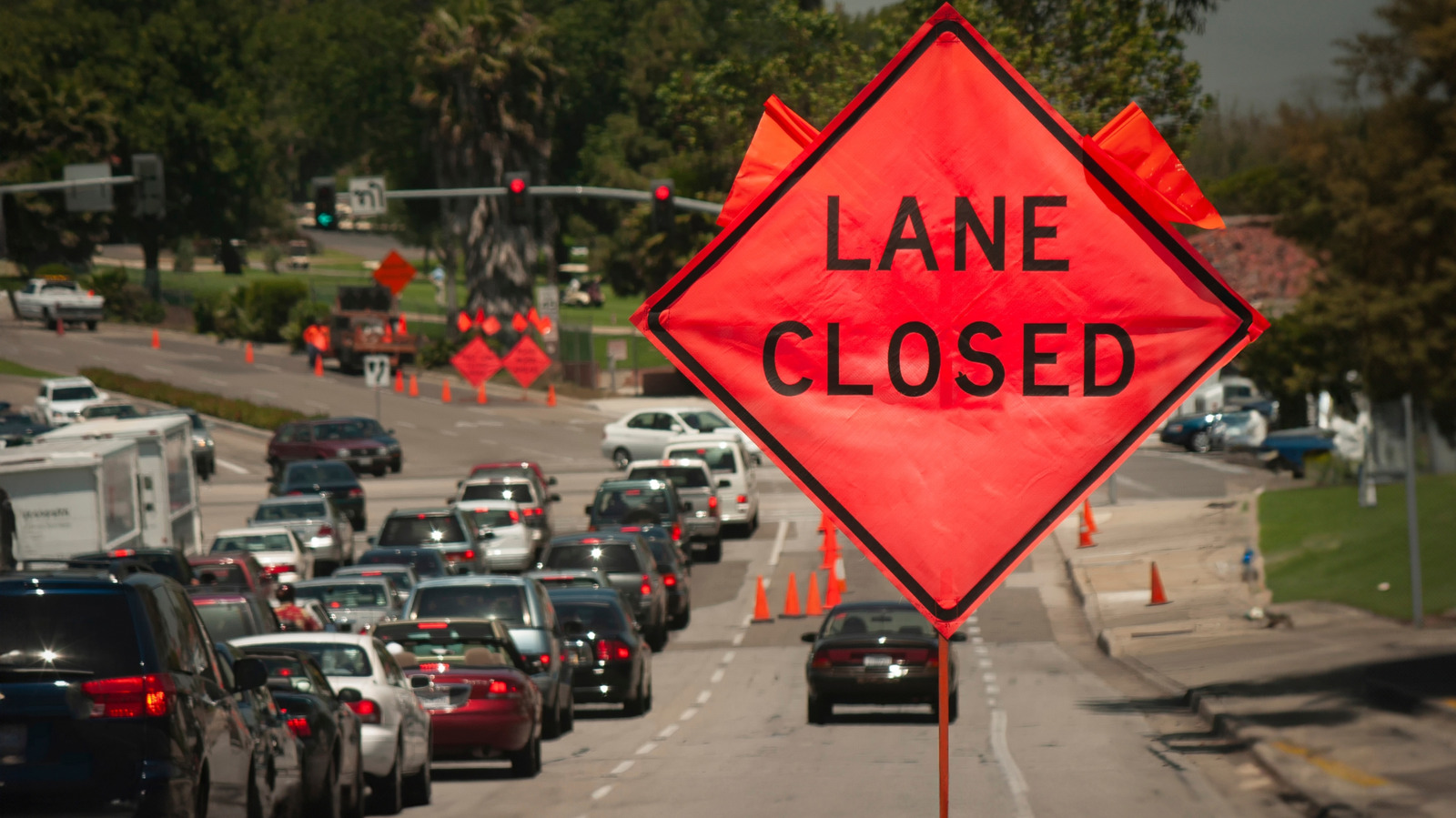
The Zipper law is a traffic rule aimed at smoother merging when lanes drop, and this piece explains what it asks drivers to do, why many resist it, how it actually helps traffic flow and safety, and practical tips for making zipper merges work on real roads.
The core idea behind the Zipper law is simple: use both lanes fully and take turns merging at the point where the lane ends, like the teeth of a zipper coming together. It asks drivers to stop racing to the front of the closed lane and instead share space in a coordinated way, which sounds easy but runs into human behavior. That clash between logic and habit is where most resistance starts.
On paper, zipper merging reduces backup length and keeps traffic moving at a steadier pace, because both lanes carry traffic until the merge point instead of forcing everyone into one early lane. When drivers cooperate, traffic flow becomes more uniform and shockwave braking — those sudden slowdowns that cascade backward — is less common. This is not about being polite, it is about making the road work better for everyone.
Resistance crops up for a few predictable reasons: impatience, perceived unfairness, and a basic misunderstanding of how the method works. People often feel like they are letting others get ahead if they don’t race to the closed lane, and that creates road-rage fuel. Add inconsistent signage or lack of enforcement and you end up with drivers reverting to aggressive merging, which undoes any benefit.
Lawmakers and transportation agencies that promote zipper merging usually pair it with public education campaigns, signage near lane-ending stretches, and sometimes enforcement during peak conditions. Clear signs that explain “Use Both Lanes Until Merge Point” help a lot, but signs alone won’t change ingrained behavior. Short demonstration videos, roadside brochures, and occasional patrol presence make the message feel official and worth following.
From a safety standpoint, zipper merging has advantages: fewer lane changes, less braking and acceleration, and fewer sudden maneuvers near the merge. Fewer abrupt moves mean fewer conflicts and lower crash risk, especially in heavy traffic where aggressive lane jockeying is common. The trade-off is cultural — converting drivers from a competitive to a cooperative mindset takes time and consistent messaging.
Practical tips for drivers make a difference right away: stay calm, use your signal, maintain speed in the open lane, and merge smoothly when it is your turn. If everyone follows those steps, traffic moves more predictably and frustration drops. Encouraging one another with simple courtesy, like allowing a single vehicle to merge at a time, builds momentum for the practice across a stretch of road.
Engineers and planners can support zipper merges by designing merge zones with visible cues and by avoiding confusing lane-drop layouts that force last-second decisions. Road geometry, sightlines, and well-placed signs are low-cost fixes that yield real improvements in driver behavior. When agencies measure outcomes, they often find reduced queue lengths and steadier speeds in stretches where zipper merging is adopted correctly.
Ultimately, the Zipper law is less about legal muscle and more about changing how people drive and think about merging. When drivers adopt the zipper habit, the payoff shows up in less stop-and-go, fewer near-misses, and shorter delays for everyone. It’s a behavior change challenge dressed up as a traffic rule, and success depends on simple education, clear signage, and a willingness to cooperate on the road.
