
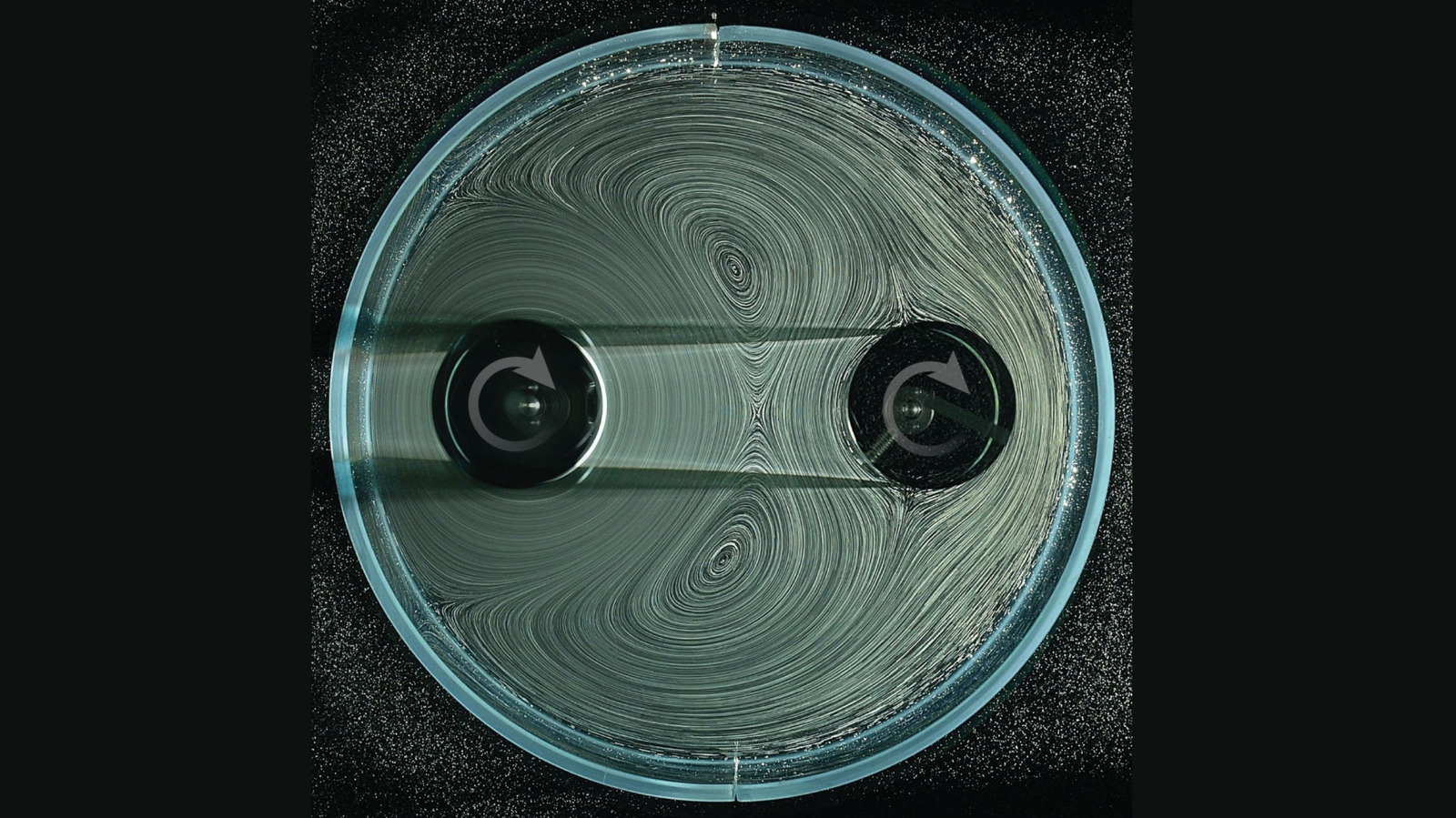
Liquid gears promise a rethink of how machines transmit motion, swapping metal-on-metal teeth for flows and films that slide without cutting into each other. This article walks through what liquid gearing is, why it matters, how it works at a basic level, the practical benefits and remaining engineering hurdles, and where it could turn up first in the real world.
Traditional gears bite into each other, so they inevitably wear, demand tight tolerances, and need heavy lubrication. Liquid gears take a different tack by using a continuous fluid interface or controlled liquid droplets to carry torque, which cuts out the hard contact that causes abrasion. That simple change could mean far longer lifetimes and quieter operation across many machines. The concept flips the classic tradeoff between strength and wear on its head.
There are a few flavors of liquid gearing under exploration. Some designs use viscous films trapped between patterned surfaces so that shear transmits rotation without solid contact. Others rely on ferrofluids or magnetically controlled droplets that grip and release like soft cogs when fields switch. Each approach aims for the same payoff: reduce friction from solid contacts while keeping torque transfer predictable and efficient.
Why does this matter beyond being clever in the lab? Machines from wind turbines to precision actuators could see maintenance bills plunge if gears stop grinding themselves into replacement. In settings where noise and vibration are problems, liquid interfaces damp chatter and smooth the power flow. For manufacturers, that could translate into lighter systems, smaller housings, and fewer service interruptions over a product’s life.
Efficiency is a headline claim, but the real gains depend on design details. A thin, well-controlled fluid layer can lower parasitic losses compared with traditional sliding contacts, but pumping losses and shear in the lubricant can eat into those savings. Smart control of fluid properties and careful channeling are crucial, because sloppy designs would simply trade one form of loss for another. Still, the best experimental systems are already showing promising transfer efficiency at useful torque levels.
Durability gets the biggest boost in theory. Without hard asperities grinding each other, fatigue and surface fatigue cracking become much less common. Corrosion, contamination, and seal wear are new factors to manage, but they can be handled with modern materials and monitoring. The net effect should be systems that stay in spec far longer between rebuilds, which is a big deal for heavy-duty and remote applications.
That said, liquid gears bring their own engineering headaches. Sealing and containment are obvious concerns — you need the liquid where you want it and nowhere else. Thermal management matters too, since the fluid can heat up under stress and change its properties. Engineers will also need reliable ways to control and measure the fluid’s state in real time, especially in high-precision applications.
Manufacturing and scalability look feasible but will take time. Additive manufacturing and precision machining help create the complex channels and surfaces liquid gears need, while coatings and surface treatments reduce wetting issues. Large-scale adoption will hinge on cost-competitive production, robust standards for safety and maintenance, and clear case studies that prove the technology in harsh, long-term service.
Practical first uses will likely be niche and high-value: aerospace actuation, robotics joints where quiet and long life matter, and specialized industrial drives in remote locations. As confidence grows, expect wider deployment in electric vehicles, consumer appliances where noise and reliability are competitive edges, and in energy infrastructure. Each successful field trial will accelerate acceptance.
Liquid gears won’t replace every gearbox overnight, but they change the design space for engineers who want longer life, less noise, and new packaging freedoms. The next few years should reveal whether the lab promise turns into workshop standards or stays a clever alternative for specific problems. Either way, the idea forces us to rethink the fundamentals of how rotary motion is transmitted, and that shift alone is worth watching.
