
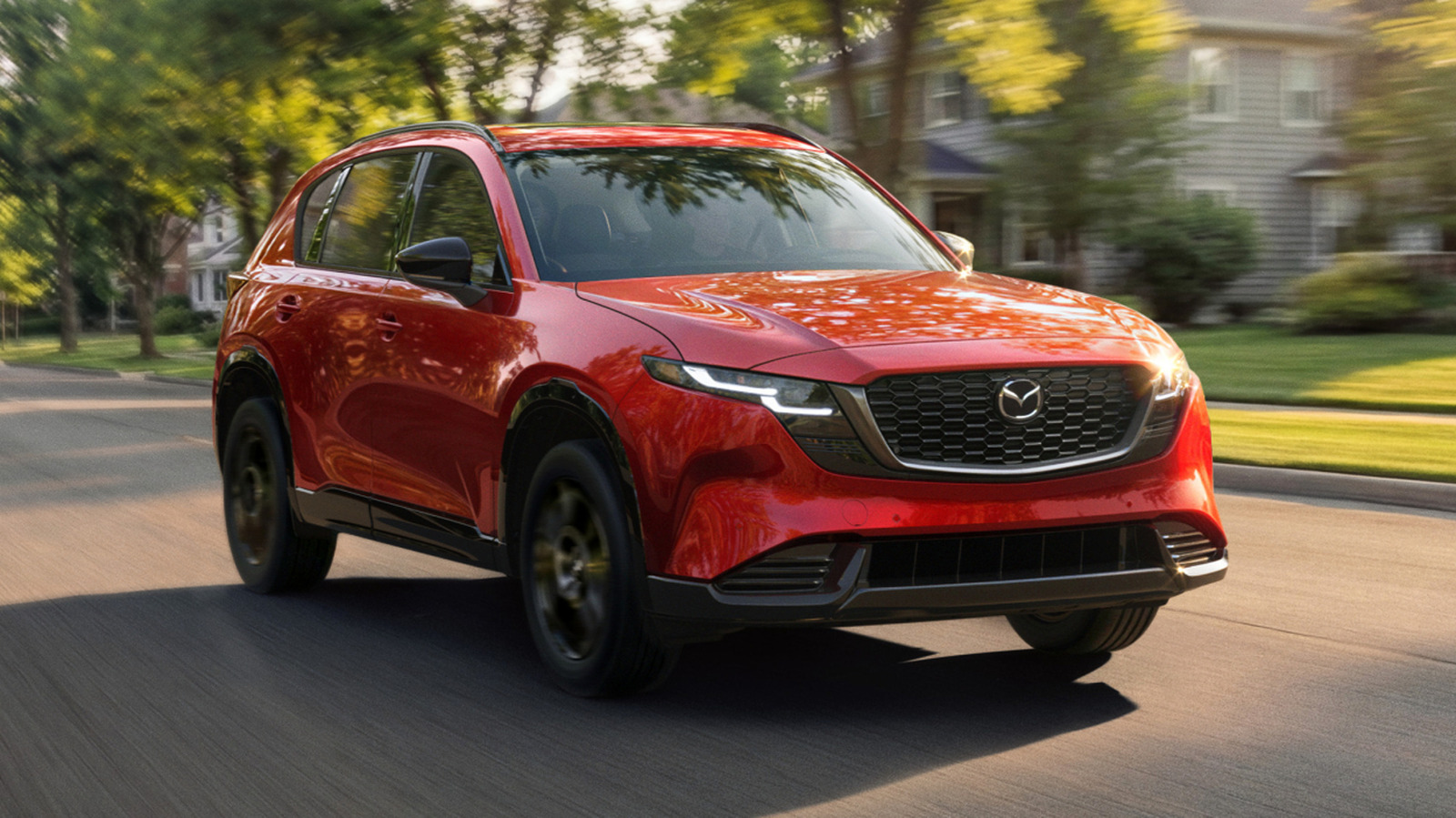
The Mazda CX-5 remains one of the compact SUV market’s favorite choices thanks to a blend of style, handling, and value, but it’s not the only game in town and Mazda itself offers alternatives that complicate the decision. This piece walks through what the CX-5 does well, where it stumbles, how it stacks up against rivals, and which buyers should seriously consider it or look elsewhere. Expect straightforward observations about design, performance, tech, practicality, and ownership without fluff. By the end you’ll understand why the CX-5 is a strong pick and where competitors might lure buyers away.
The CX-5’s biggest appeal is its balance: attractive looks without a luxury price, cabin materials that feel nicer than many rivals, and controls that are simple to use. Interior proportions are comfortable for front passengers and the rear seats are adequate for most families, while optional leather and trim upgrades lift the feel. That mix makes it a convincing value proposition for shoppers who want something that feels a step above basic compact crossovers.
Under the hood, Mazda tailors the CX-5 toward drivers who care about connection rather than raw horsepower numbers. The standard engine is punchy enough for everyday driving and returns competitive fuel economy, while an available turbocharged option delivers stronger acceleration for highway merging and confident passing. Mazda tunes the steering and suspension to reward engagement, so it often feels sportier than rivals at speed.
Ride quality is a clear strength, but not without tradeoffs: the CX-5 leans toward composed handling and responsive steering, which can expose road imperfections more than softer-riding competitors. For drivers who prioritize cornering poise and involvement, that’s a win; for buyers after a pillowy ride over rough pavement, it may be a compromise. Tire choice and trim-spec suspension calibrations also influence the experience, so test drives across trims are important.
Tech and safety gear are modern and usually straightforward, with a well-integrated infotainment screen and available driver aids such as adaptive cruise and lane-keeping assist. Cargo tech is reasonable for the class, though the screen interface can feel slower compared with more responsive systems offered by some rivals. Mazda tends to keep safety features available across trim levels, which helps overall resale and ownership appeal.
Practicality is generally solid: cargo volume is competitive, folding rear seats create useful space, and cabin storage points are functional. Rear-seat room is fine for kids and average adults, but taller occupants may prefer larger rivals for long trips. Fuel economy and maintenance expectations align with the segment, making the CX-5 a pragmatic choice for daily use and road trips alike.
Outside competition comes from perennial favorites like the Honda CR-V, Toyota RAV4, and Hyundai Tucson, each bringing their own strengths—spacious interiors, hybrid options, or technology-packed trims. Those rivals may beat the CX-5 on rear-seat room, feature lists, or alternative powertrain availability, so buyers focused on maximum cargo or fuel options should compare closely. Pricing and incentives can flip the value equation, so the CX-5’s advantage in feel and finish needs to be weighed against rivals’ practical strengths.
Mazda’s own lineup also complicates choices: models like the CX-30 offer a smaller footprint and sharper urban maneuverability, while the larger CX-50 aims more at rugged styling and outdoor-oriented buyers. Deciding within Mazda means choosing whether you want the CX-5’s blend of refinement, the CX-30’s city agility, or the CX-50’s slightly more adventurous stance. Each sibling targets a distinct buyer, so brand loyalty doesn’t guarantee the CX-5 is the best fit for every shopper.
Ownership costs are typical for the class, with routine maintenance and insurance rates that sit in line with other mainstream compact SUVs. Reliability history for Mazda has been respectable, and dealer service experiences vary by region, so factoring local support into the buying decision makes sense. Resale value tends to be decent, especially for well-equipped examples that show care in maintenance records.
The verdict comes down to priorities: choose the Mazda CX-5 if you value cabin quality, engaging driving manners, and a trimmed-but-upscale vibe without stepping into premium pricing. Consider competitors or other Mazda models if you need maximum cargo space, the plushest possible ride, hybrid powertrains, or the absolute lowest upfront cost. A focused test drive and comparison shopping will quickly reveal whether the CX-5’s strengths match your daily needs and style.
