
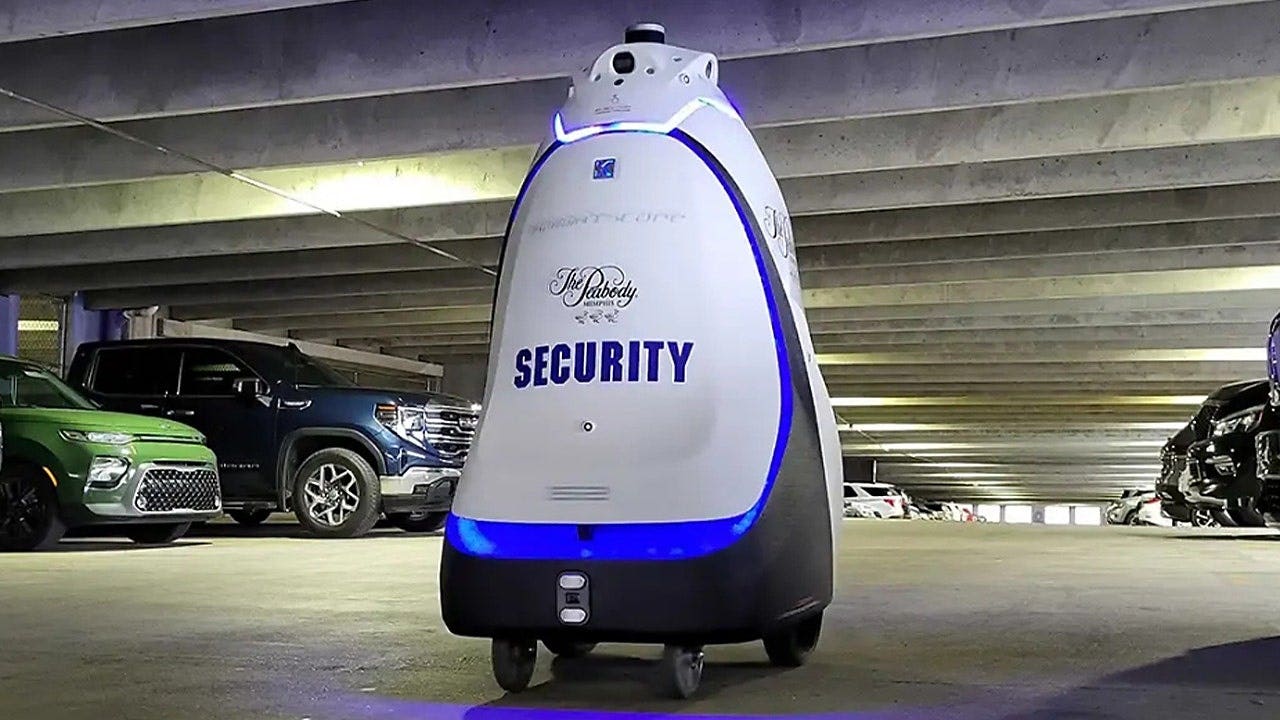
Dublin, Ohio ran a public pilot with a Knightscope K5 named DubBot in a parking garage, then ended the trial after the machine produced no arrests, tickets or criminal cases. The experiment cost the city six figures, prompted questions about measurable value, and highlighted privacy and operational limits for roaming security robots. This piece looks at what went wrong, what taxpayers should expect, and why accountability matters when cities deploy high-tech public safety tools.
The robot arrived last summer with a clear sales pitch: deter crime, support emergency response and give police extra eyes without pulling officers off other duties. In practice it patrolled the Rock Cress Parking Garage and offered 360-degree cameras, a two-way emergency link and an emergency call button. Those capabilities sounded useful on paper, but the pilot finished with none of the concrete outcomes a public safety program should produce.
City leaders spent about $128,080 in year one, and will receive roughly half of that back from the vendor, leaving a net cost north of sixty thousand dollars. A second robot never launched because site needs and infrastructure limits interfered with the original plan. For taxpayers, that raises two obvious questions: what did the city expect from the pilot, and how would success be measured?
Part of the problem was a lack of metrics. Dublin treated the deployment as a test but did not collect the performance data people would need to judge impact. There were no arrests, no cases and no recorded tickets tied to the robot, and officials did not track other key measures like help-button use or response times. Without those follow-up numbers, the trial risks looking like a flashy experiment rather than a defensible public safety investment.
Real-world environments are unforgiving for robots. Narrow corners, fast interactions, stairs and crowded spaces can turn a smooth demo into a constant technical headache. Other cities that tried similar machines reported navigation issues and required officer supervision, and airports that ran pilots found camera and feed problems that undermined usefulness. A machine that moves at walking speed can be visible, but visibility alone is not the same thing as prevention or quicker emergency response.
Privacy is another unavoidable concern. Dublin already runs a broad suite of public safety tech including drones, license plate readers and fixed cameras under formal policy, and adding a roaming robot raises new questions. Citizens deserve clear answers about what the robot records, who can view footage, whether facial recognition is used, how long data is retained and whether any information leaves city control.
Transparency should be the baseline before any patrol robot rolls into a public space. Officials should publish clear objectives, the metrics they will track, and the privacy safeguards in place before approving a deployment. That way taxpayers see whether a piece of tech is an operational improvement or simply an expensive symbol of modernity.
When a city pitches a robot as a tool for emergency support, it should explain how people access help through the device and how often dispatchers actually receive live requests. When a machine is billed as a deterrent, officials should spell out how deterrence will be measured and compared to baseline crime patterns. And when video is used for investigations, leaders should show whether the footage led to tangible case progress or arrests.
Cutting a trial short isn’t automatically a failure. Ending the pilot when it didn’t meet operational needs saved the city from sinking more money into a technology that produced little public value. The lesson for other jurisdictions is straightforward: test with a plan, monitor with meaningful metrics, and stop wasting public funds on gadgets that look impressive but don’t deliver measurable safety gains.
If your town is considering a patrol robot, don’t be swayed by novelty. Ask for clear goals, demand data, and require privacy protections. New tools can help, but only when officials treat them like instruments of public policy rather than props in a tech demo.
