
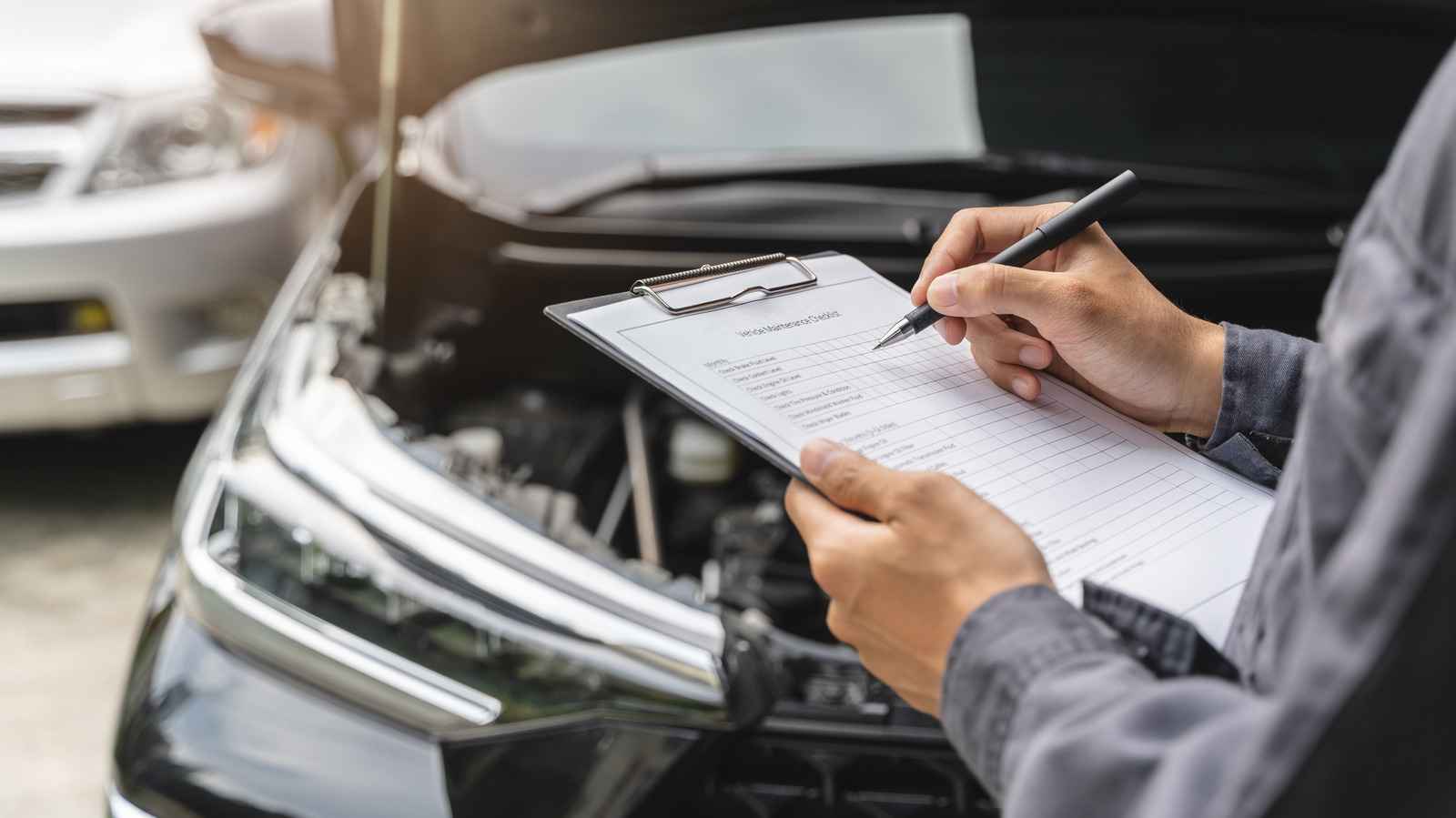
Recalls for cars, trucks, and SUVs have become a regular headline, and this piece breaks down why they happen so often, what types of problems trigger them, how the industry and regulators respond, and what drivers can do to stay safe and informed.
Manufacturing modern vehicles is wildly complicated, and complexity breeds vulnerability. A single model now carries thousands of components sourced from a global web of suppliers, and any weak link can turn into a recall. Small design flaws in critical systems like brakes, airbags, or software can cascade into big safety risks once millions of vehicles hit the road.
Electronics and software have become major players in recall tallies. Cars are basically computers with wheels, and those computers need patches, updates, and careful integration. When a software bug affects stability, sensors, or driver assist features, a recall may be the only way to push a reliable fix to owners nationwide.
Supply chain pressures and rushed timelines also contribute. Automakers push new models and features fast to keep up with competition, and suppliers race to meet demand. That speed can expose production errors or material defects that were not apparent during testing, and once a pattern appears, a recall follows to prevent accidents and liability.
Regulators and reporting rules add another layer. Agencies like the NHTSA require manufacturers to investigate complaints and report potential safety defects. Once patterns emerge, regulators can force recalls, and manufacturers often issue them proactively to limit legal exposure and protect public safety. That regulatory oversight means more issues get documented and corrected.
Sometimes recalls cover minor nuisances, and other times they address life-threatening failures. Not every recall means your vehicle will stall on the freeway, but even cosmetic or convenience problems get logged when they affect safety compliance. Drivers should not ignore recall notices just because the issue seems trivial, because repeated minor faults can be signs of deeper problems.
Automakers are also more transparent than they used to be, and that visibility inflates the perceived frequency of recalls. Public pressure and media coverage push companies to announce issues quickly instead of burying them, and while that can look alarming, it often reflects better accountability. The net result is more recall notices but also faster fixes for consumers.
Age and model volume matter too. High-production models and older fleets are likelier to appear in recall statistics simply because they have more units exposed to defects. A tiny percentage of defects in a million vehicles still creates a large recall campaign, so popular models naturally show up more in recall lists.
Legal exposure and class action risk shape recall strategy. Facing lawsuits and regulatory fines, manufacturers often choose recall campaigns to limit uncertainty and control corrective action. That approach can be costly, but it can prevent worse financial and reputational damage down the road.
Repair logistics are a big challenge once a recall is announced. Dealers need parts, technicians need training, and scheduling repairs for thousands of owners takes time. That lag between announcement and remedy can frustrate consumers, but it also reflects the real-world complexity of repairing modern vehicles safely and consistently.
As vehicles get older, post-sale maintenance and previous repairs can complicate recall repairs. Owners who swapped nonstandard parts or had bodywork done may need additional work to make recall fixes possible. This means staying engaged with recall notices is critical, because the path to a completed repair can vary from car to car.
What drivers can do is straightforward: pay attention to recall notices, check your vehicle identification number if prompted, and schedule repairs promptly. Dealers will do the fix for free when the recall is valid, and software fixes can sometimes be delivered over the air depending on the manufacturer. Ignoring a recall only increases safety and resale risks.
Automakers, suppliers, and regulators will keep tightening standards and improving reporting systems, and that could mean more recall announcements but fewer dangerous vehicles reaching the public. The frequency is a symptom of complexity and better oversight more than a sign of failing industry practices. For drivers, staying informed and acting quickly when a notice arrives is the best defense against serious trouble.
