
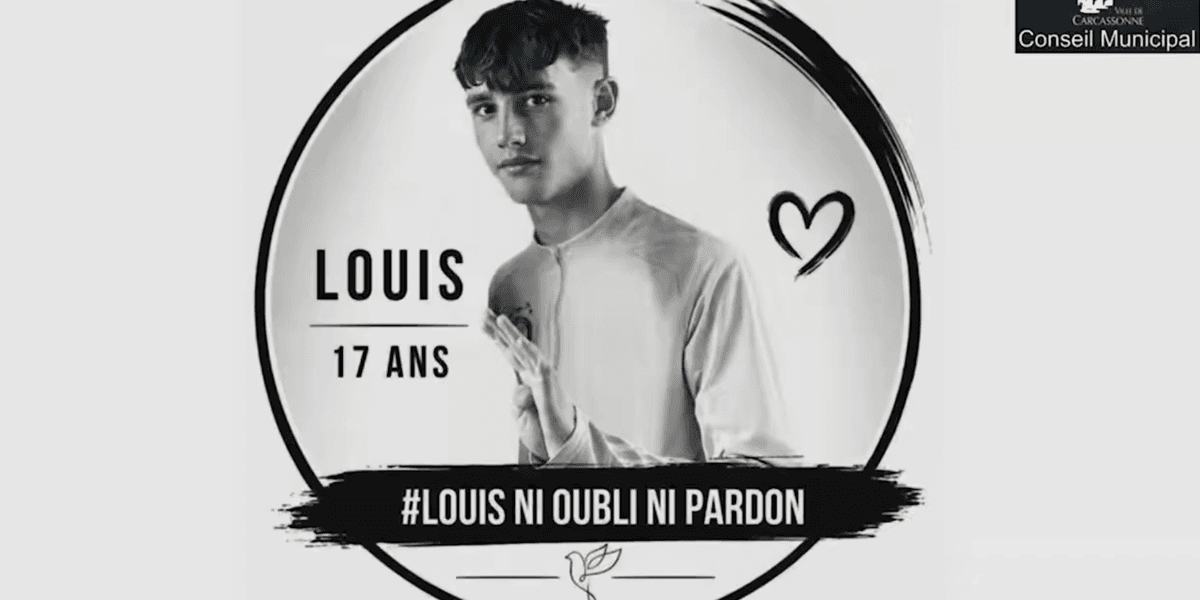
The story is grim: a 17-year-old foster teen named Louis was ambushed, savagely beaten and filmed, then left for dead on a Narbonne construction site. This piece traces the attack, how the footage and phone records helped police, the arrests that followed, and the political fallout from leaders who say France has lost control of public safety. It sticks to the facts while reflecting a hard-line call for stronger law and order. The victim’s family and political figures demanded answers and accountability as the investigation continues.
The attack happened the night of June 19, when Louis was lured to a building site and overwhelmed by several assailants who beat him until he was unconscious. “Louis, 17 years old, was lynched to death with unimaginable violence, filmed by his gleeful assailants, left to agonize through an entire night, and found lifeless on a construction site in Narbonne,” Jordan Bardella said. The footage, which circulated online, shows attackers striking the already-unconscious teen and later posing beside him while he gasped for air.
Family members decided to let investigators and some outlets see the footage because they feared media accounts that would call it a mere scuffle, and they wanted the truth to be known. Authorities say a caller who saw the clip alerted emergency services, but because they lacked precise location information responders could not reach Louis in time. A construction worker later found him and emergency crews transported him to hospital, where he died after being placed in an induced coma.
According to reports, Louis had been living in child welfare care since May and had filed police complaints earlier this month after prior assaults. He had reportedly received a job offer and was preparing to leave the system when one suspect arranged the meeting at the site on false pretenses. Investigators used the viral video, phone logs and testimony from a witness who later provided more detail to identify and charge suspects.
Police arrested five people aged 16 to 19 who now face attempted murder charges and are held in pre-trial detention. Officials say some suspects gave partial admissions while others claimed they were following the group and did not know about any plot. Investigators have said initial findings rule out a racist motive for the ambush, but the brutality of the act has focused discussion on deeper failures in public safety and youth services.
Political leaders from the National Rally immediately seized on the case as evidence of a wider collapse in law and order. “He is the symbol of a country adrift, undermined by a barbarization that neither the laxity nor the blindness of our leaders can halt,” Bardella added. Marine Le Pen echoed the outrage: “The ordeal of young Louis, 17 years old, lynched in Narbonne, breaks the heart and fuels immense anger among the French in the face of this everyday barbarity that can no longer be minimized, downplayed, or concealed.”
‘This everyday barbarity that can no longer be minimized, downplayed, or concealed.’ Those words have become a rallying cry for conservatives who argue France needs firmer policing, tougher penalties and a system that protects vulnerable kids rather than leaving them exposed. The narrative has galvanized calls to break from years of policies seen as soft on delinquency and to prioritize restoring order before more lives are lost.
The human side of the tragedy is stark. Friends and family have spoken of shock and disbelief at losing a gentle teenager, and one friend said, “I am in a nightmare. I am struggling to believe that Louis is gone.” The legal process is underway and investigators continue to piece together who arranged the meeting, who participated in the ambush and how the video spread through social networks.
International commentators also reacted strongly. BlazeTV host Allie Beth Stuckey wrote, “The video of that poor boy in France, Louis, is too much to bear. Why is it the same kinds of people *everywhere* who commit these acts of subhuman violence? Truly animalistic monsters. God help us.” At the same time, critics on the left urged caution and blamed broader social abandonment for such tragedies, with one activist saying, “For years this kind of tragedy has existed for young people left abandoned.”
On the ground in Narbonne, grief has turned to public demonstration: a march is planned this weekend to remember the victim and demand answers. Authorities say the probe continues, with phone records, the testimony of the initial tipster and the video itself central to moving the case forward. Families and leaders are watching closely as the criminal process tries to deliver justice and as politicians promise changes to prevent another horror like this.
‘While our children are dying, our leaders look the other way.’ That accusation from a National Rally member reflects a broader political message: when governments fail to enforce laws and protect neighborhoods, the consequences are violent and irreversible. The Narbonne case has tightened focus on accountability, and for many it underlines a hard truth — public safety must be restored by decisive action, not empty words.
