
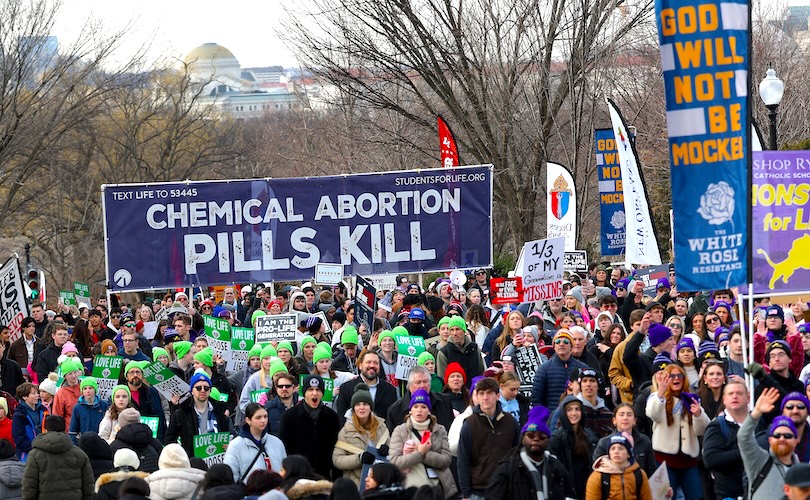
This article examines a newly circulated resolution urging criminal penalties for women who undergo abortions, outlines the motivations supporters give for the measure, notes high-profile signatories such as Abby Johnson, Riley Gaines, and Alex Clark, and weighs political and practical questions that follow from backing criminal sanctions to defend preborn life.
The resolution pushing criminal penalties for women who have abortions is blunt and unapologetic: its backers say legal consequences are needed to protect preborn life. Supporters argue that if the law recognizes the unborn as persons entitled to protection, then intentional destruction should trigger criminal liability like other violent acts. That framework reframes abortion as not just a private choice but a public harm requiring a legal response.
Among those who signed the resolution are Abby Johnson, Riley Gaines, and Alex Clark, names that will be familiar to conservative audiences. Their involvement signals a coalition that mixes grassroots activists, media figures, and people who have been outspoken on life issues. Their support gives the resolution political clarity and draws attention to what had been a quieter legal argument until now.
From a Republican perspective, the moral argument is straightforward: life deserves protection and laws should reflect that truth. Advocates see criminal penalties as a logical extension of declaring the unborn legally valuable and deserving of the same safeguards that protect born children. This position rests on the idea that law must sometimes impose consequences to deter harms and uphold a consistent standard of justice.
Practical objections are predictable and serious, and they shape the debate in ways supporters cannot ignore. Critics warn about prosecutorial overreach, selective enforcement, and the human cost of punishing desperate women, which opponents argue would target the vulnerable rather than the architects of abortion provision. Backers counter that careful statutory design can focus penalties, avoid unjust prosecutions, and pair enforcement with support for pregnant women to reduce abortions.
Political feasibility will be the real test: passing laws to criminalize women for abortion faces steep opposition in many states and would almost certainly trigger court battles. Republicans who favor life protections must decide whether criminal penalties are the right strategy or whether other legal avenues—like strengthening protections for unborn life in statutes and courts—offer better paths forward. The resolution forces that strategic conversation into the open instead of letting it stay implicit.
Any policy that contemplates criminal penalties should also include pragmatic steps to prevent the harms opponents fear. Supporters who want convictions to be rare, not routine, emphasize investments in maternal care, expanded alternatives to abortion, and targeted prosecution focused on providers who profit from termination. Presenting enforcement alongside a safety net makes the case less about punishment alone and more about building a culture that values both mother and child.
There is also a constitutional and legal layer to this debate that Republicans must address honestly. Courts will test any criminal statutes against existing precedents, and lawmakers must prepare legal theories that can withstand scrutiny. That means drafting precise language, anticipating challenges, and making a persuasive case in public that the law protects human life without abandoning fairness.
Public messaging will matter as much as legal work. Advocates should avoid sounding vindictive and instead insist their goal is consistent protection for the vulnerable, a predictable rule of law, and a society that prioritizes life. For many conservative voters, the combination of moral clarity and practical compassion is what makes a pro-life platform politically resonant and sustainable.
At the end of the day, this resolution is a test of how far anti-abortion efforts are willing to go in the post-Roe reality and what strategies they choose to pursue. It forces a sober discussion about consequences, enforcement, and the types of laws that best defend life while minimizing injustice. The debate sparked by signatories like Abby Johnson, Riley Gaines, and Alex Clark will shape conservative strategy on life issues for months to come.
