
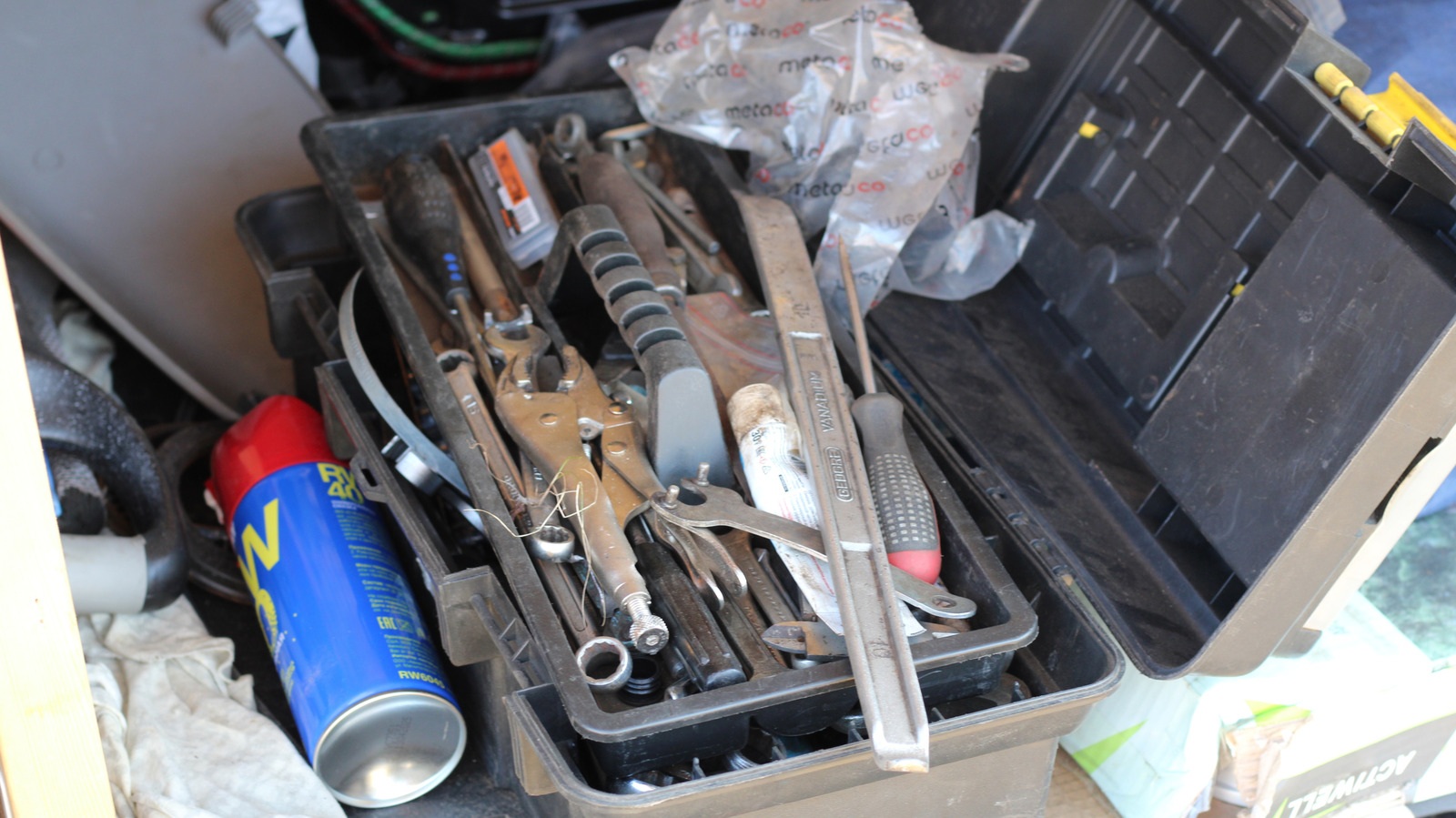
Putting together a dependable tool set for DIY projects around the house or on your car is smarter than buying every shiny gadget in the store. This piece walks you through what matters most, which essentials to prioritize, how to choose quality over quantity, and ways to keep the kit organized so it actually gets used.
Start by deciding what you tackle most: home repairs, yard work, car maintenance, or a bit of everything. That focus will steer which tools you buy first and which can wait. Investing in a few high-quality basics saves frustration down the line because they perform better and last longer.
For almost any DIYer, a core set of hand tools is the foundation. Think screwdrivers in multiple sizes and types, a solid claw hammer, a set of combination wrenches, adjustable pliers, needle-nose pliers, and a reliable tape measure. Those tools cover dozens of common tasks without cluttering your toolbox with single-use items.
Measuring and marking make the difference between a sloppy job and a clean one, so include a level, a square, and a mechanical pencil or marker. A compact utility knife and a set of chisels can handle finishing touches and small trimming tasks. Don’t forget basic fasteners and a small assortment box of screws, nuts, and washers so projects do not stall waiting for parts.
A cordless drill is the single most transformative tool for most people, followed by an impact driver if you work with lots of screws or tougher fasteners. A jigsaw or circular saw is worth adding if you plan to cut lumber or sheet materials, and a random orbital sander speeds up finishing work. Renting bigger tools for one-off jobs is a smart move rather than buying everything at once.
Car work nudges your list toward different things: a good floor jack, jack stands, a torque wrench, spark plug sockets, and a set of metric sockets and ratchets. Many auto tasks are easier and safer with the right accessories, so prioritize safety gear alongside tools. Keep a small automotive-focused kit separate so you can grab what you need without digging through the house toolbox.
Organization changes how quickly you work and how long tools last, so get a toolbox or chest that fits your space and habits. Drawer inserts, magnetic strips, and labeled bins prevent the dreaded scavenger hunt. Clean and dry tools before storing them, and oil metal surfaces where needed to fend off rust and extend service life.
Think like a buyer: buy the best you can afford for tools you will use regularly, and accept cheaper alternatives for things you will only use rarely. Quality tools often come with warranties and better resale value if you decide to upgrade. Avoid impulse purchases at big box stores; instead, look for trusted brands and read short, focused reviews when you need guidance.
Safety gear is not optional: safety glasses, work gloves, ear protection, and a basic first aid kit belong in the same place as your tools. Proper footwear and dust masks are small investments that prevent big problems. Train yourself to use tools deliberately and to follow simple safety checks before every job.
Finally, plan purchases around projects so tool buying is purposeful, not random. Start with a compact, well-stocked kit for general repairs, then add specialist tools as projects demand them. With a steady approach you will end up with a lean, effective tool set that makes DIY work faster, safer, and more satisfying without filling every shelf with redundant gadgets.
