
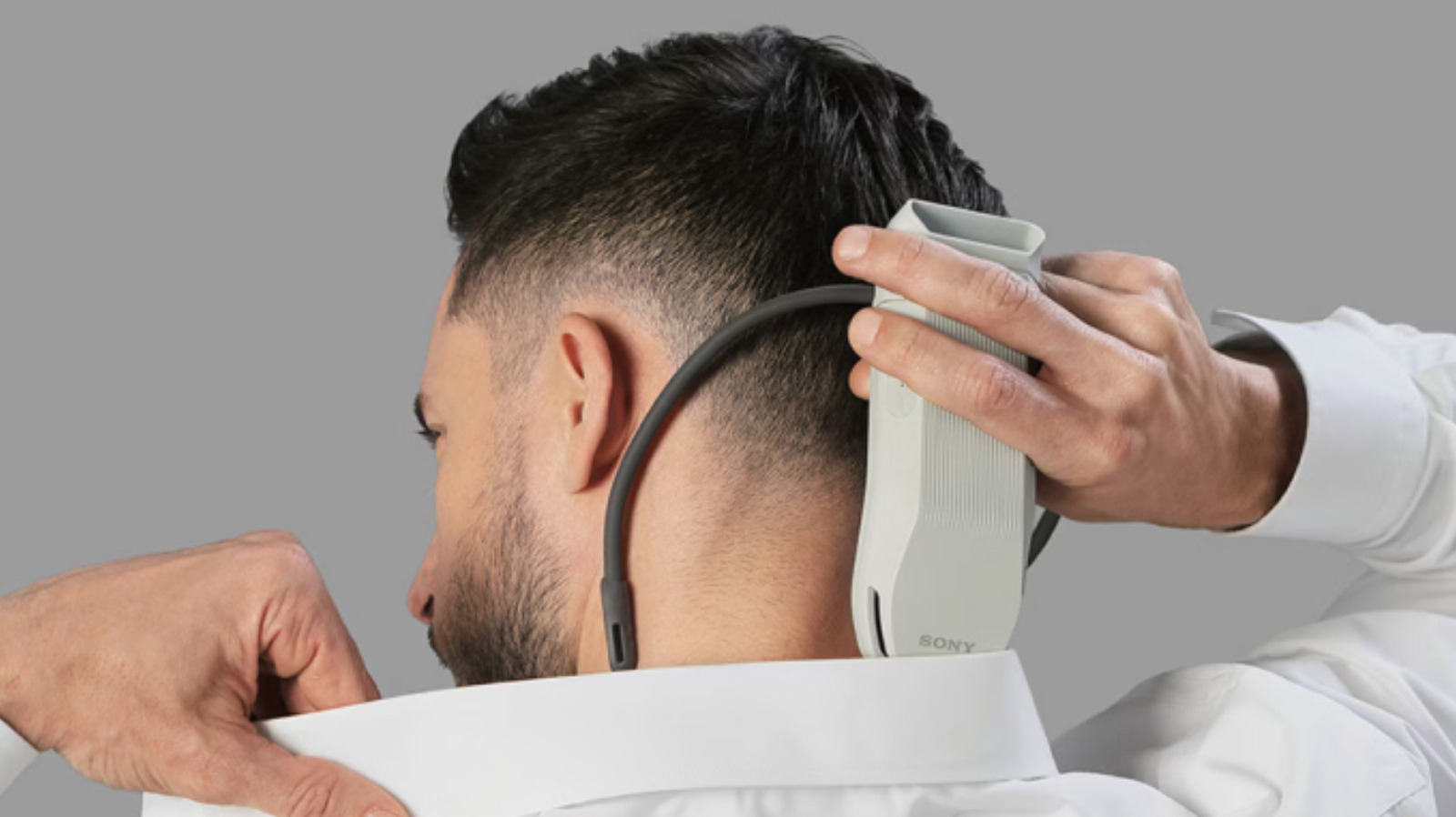
Beat the oven-like afternoons without surrendering your plans: wearable cooling gadgets use targeted airflow and smart materials to keep you moving and comfortable outside. This piece walks through the kinds of wearables you’ll actually want to use, how they work, what to watch for in battery life and fit, and practical tips for getting real cooling when heat is relentless. Expect a clear look at neck fans, cooling vests, wrist devices, and evaporative accessories so you can pick what matches your routine and climate.
Neck fans are the obvious starter: small, portable, and aimed right at your face and neck where circulation helps you feel cooler fast. Many models use two small fans that sit just below the ears and blow upward, creating a steady breeze that cuts the perceived temperature. They’re light and convenient, but performance depends a lot on fan size and battery life.
Cooling vests take a different route by spreading chill across your torso, which hits major blood flow zones and makes the whole body feel cooler. Some vests use phase change materials that absorb heat and then recharge in a fridge, while others include tiny fans or circulating fluids for continuous cooling. These tend to be bulkier than neck fans but are better when you need sustained relief during long outdoor tasks.
Wrist and clip-on coolers aim for convenience over brute force, and they work best as personal spot-cooling rather than full-body solutions. They’re ideal if you need something discreet for walking, jogging, or commuting, and most offer multiple speed settings so you can balance chill with battery life. Expect them to be affordable, but also expect limited runtime on higher speeds.
Evaporative wearables lean on simple physics: water absorbs heat as it evaporates, so soaked bandanas, cooling towels, and caps can drop your skin temperature quickly. They are lightweight and don’t rely on batteries, which is a major advantage for long outings and remote trips. The trade-off is humidity; evaporative cooling works best in dry heat and loses effectiveness when the air is muggy.
Battery life is the practical limiter for any powered wearable, and mAh ratings only tell part of the story. Faster fan speeds or stronger cooling modes drain power much quicker, so pay attention to real-world runtime claims and whether the device supports USB-C fast charging. If you plan to be out all day, look for swappable batteries or models that double as power banks.
Fit and comfort matter more than you think, because anything rubbing or heavy will make you ditch it quickly. Look for adjustable straps, breathable fabrics, and weight distributions that avoid neck strain or shoulder pain. Try to test wearables during activity, not just standing still, since movement changes how they feel and perform.
No single gadget beats proper hydration and shade, so view wearables as a force multiplier rather than a substitute for good heat management. Combine them with sun protection, regular water breaks, and lighter clothing to maximize benefit. In intense heat, take frequent rests and avoid pushing performance gadgets as a license to ignore conditions.
Durability varies widely between cheap plastic models and higher-end designs built to last outdoors. Water resistance, replaceable parts, and straightforward cleaning are good signs of a product designed for real use. Read warranty details and consider proven brands if you expect heavy daily wear and tear.
Noise can be a dealbreaker for fans and motorized vests, so check decibel levels if you want something unobtrusive. Low-noise modes often reduce cooling power, so decide whether silence or maximum airflow is more important for your routine. For shared spaces or quiet neighborhoods, quieter models are worth the premium.
Cost and value depend on how often and where you’ll use these gadgets: a $30 evaporative towel might be all you need for occasional hikes, while a $200 cooling vest could make sense for daily outdoor work. Consider long-term savings if a wearable reduces heat-related breaks or improves comfort enough to change your schedule. Look beyond flashy specs and prioritize real-world reviews that match your activity.
Maintenance is simple but necessary: clean sweat and debris regularly, recharge batteries carefully, and store gear away from extreme heat when not in use. Replace consumable cooling packs as recommended and follow washing instructions to avoid degrading fabrics or electronics. With a little care, these gadgets can extend your comfort window through the hottest months without drama.
