
The Knicks’ title run was more than a scoreboard miracle; it turned into a story about grit, the contradictions of New York and the way a team can briefly make a bruised city glow. This piece looks at the player’s rise, the city’s strain and rapture, the messy celebrations, and the small human moments that made the win feel enormous. Read on for a street-level take on how a long-suffering franchise rewrote a few expectations and why the city reacted the way it did.
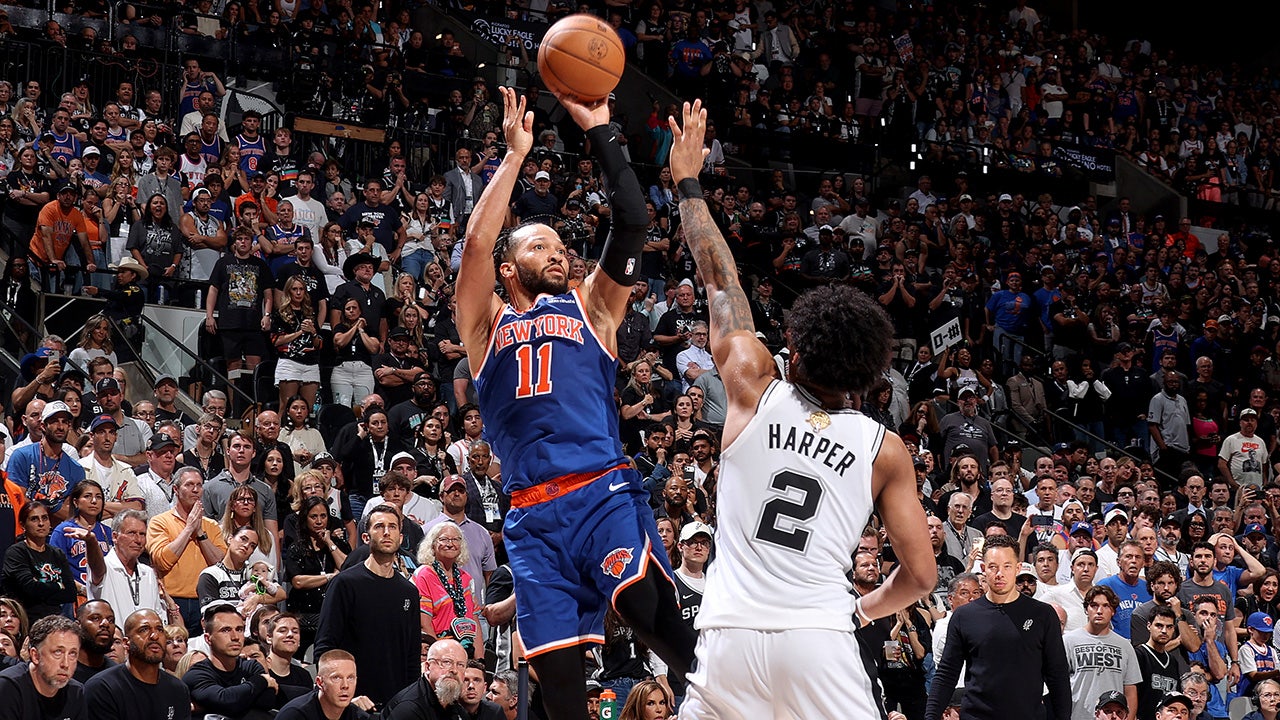
The basketball side is straightforward and irresistible: a team labeled fragile refused to fold. Jalen Brunson poured in 45 in Game 5 and kept answering every question the doubters posed, the kind of performance that turns doubt into a bedtime story for future underdogs. He was written off as undersized and overlooked, but the proof was in his minutes and his willingness to carry the club when the moment demanded it.
What people loved about the run was the teamwork and discipline more than a single hot hand. The Knicks kept clawing back from double-digit deficits, relying on crisp passing and a defense that refused to let the script be written by their critics. Those comebacks carried a narrative weight beyond the court: resilience that felt relatable in a culture that prizes instant success.
There were moments that read like classic sports cinema, including a Game 4 comeback capped by OG Anunoby’s now-famous tip-in at the buzzer. The team’s 13-game streak and repeated late-game heroics turned cynics into converts and warmed the hearts of anyone who remembers dreaming of a last-second miracle. Fans wanted a story; the team supplied a steady string of cliffhangers.
The city around the celebration was equal parts glamour and grind, a place that dazzles and exhausts in the same block. New York packs more than four million people into a system that creaks at rush hour, and living space comes at a price that drives patience to the edge. Yet the same streets that test residents daily filled with people singing “I want to be a part of it, New York, New York…” in an odd, collective tenderness.
That tenderness coexisted with chaos. Authorities reported dozens of arrests, injured officers, several stabbings and a teenager shot amid the revelry, a grim reminder that big-city jubilation can tip into danger. The violence didn’t erase the joy, but it pulled a shadow across the celebration and reminded everyone that civic order is a fragile thing.
Anyone who’s lived in the city knows the contradictions: Broadway and Fifth Avenue side-by-side with struggling schools, visible homelessness and overflowing trash on bad days. Traffic jams test the limit of commuter patience, and new fees for driving into Manhattan underline how living in the center of the world carries a toll. Still, people pack into public spaces when something meaningful happens, and that collective antennae for shared joy is part of what defines urban life.
The win carried personal layers too, like the father-son arc that made the headlines softer and richer. Jalen Brunson’s dad played in the league and lost a Finals in 1999, so the younger Brunson’s tears were not just relief but a quiet correction of family history. Those human beats — the hugs, the tears, the old wounds closing — are the emotional currency that turns sports into folklore.
There were also antagonists to relish. A young opponent who acted like a cartoon villain missed the shots that mattered most, and fans took their comfort in the symmetry of it all. You could call it petty, but small reversals of fate are part of why fans stay invested through decades of disappointment.
It’s only a game, and there will always be more to watch and more teams to cheer or condemn. For a while, though, the Knicks gave New York a refracted moment of hope that felt both local and oddly universal, a reminder that cities and teams keep surprising us when least expected.
