
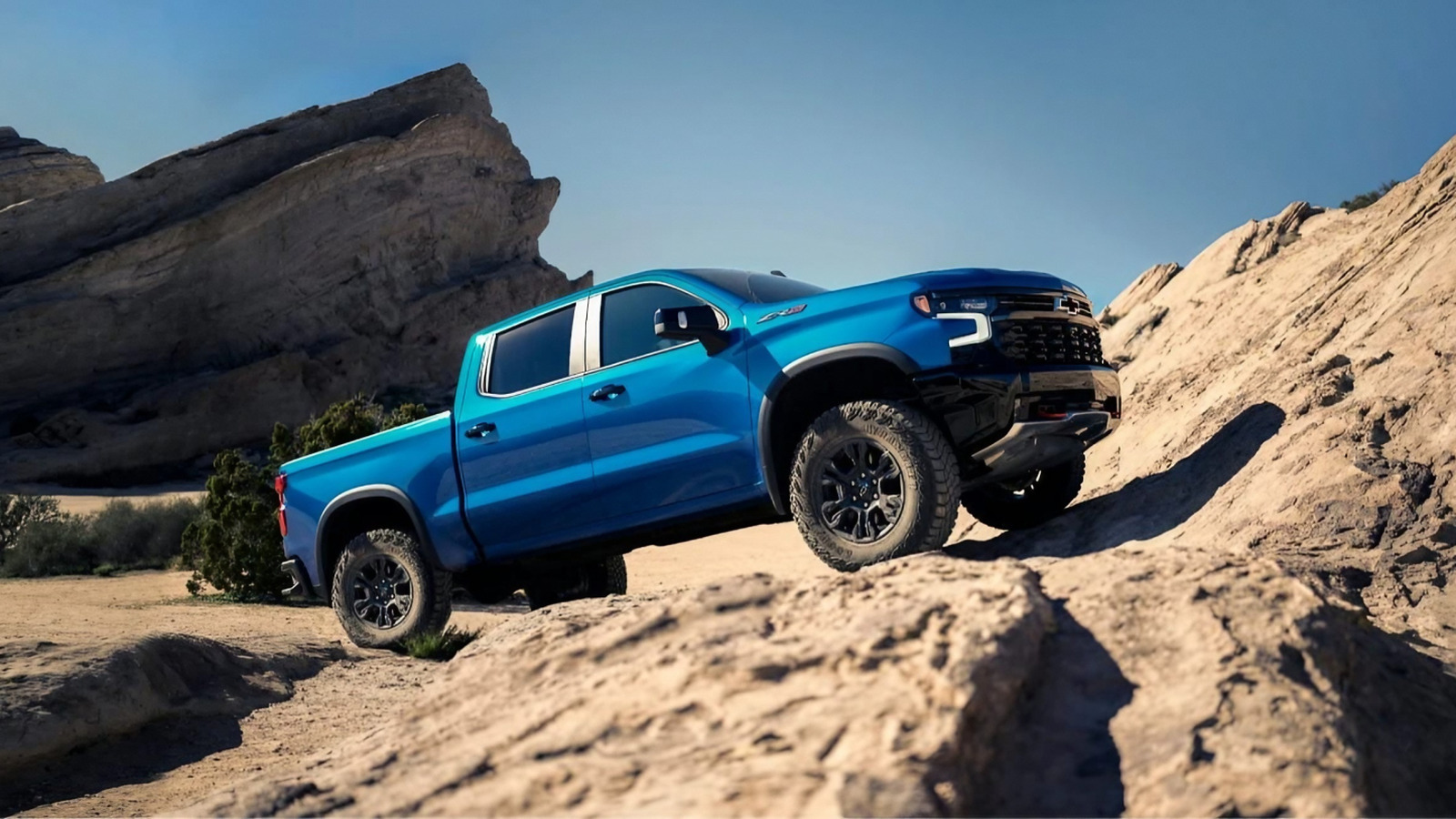
The Chevy Silverado shudder problem centers on the GM 8-speed automatic transmission and its tendency to produce a noticeable rumble or vibration during low speed cruising and light acceleration, and this article walks through the likely causes, practical diagnostics, and realistic fixes that owners and technicians use to quiet that rumble.
Many Silverado drivers report a shudder that feels like the truck is hunting for grip at low speeds, often when the torque converter clutch is trying to engage or disengage. That sensation is frequently traced back to the 8-speed automatic, where clutch surfaces, valve body tolerances, or software control can create a judder under certain conditions. Understanding whether the noise is mechanical, hydraulic, or electronic narrows down the right fix. Starting with the transmission system saves time and avoids replacing unrelated parts.
One common root cause is the torque converter clutch slipping or grabbing as the system locks and unlocks to improve fuel economy. If the clutch surfaces are glazed, contaminated, or uneven, the lockup action becomes rough instead of smooth, and that shows up as a shudder. Transmission fluid that is degraded, wrong for the application, or low can make clutch surfaces behave badly, so fluid condition and level are the first practical checks. A clean fluid flush with the correct specification often improves engagement feel, but it is not always a cure if hardware is worn.
Valve body wear and internal pressure issues are another major factor, because the 8-speed relies on precise hydraulic control to time clutch application. Worn valve bores or sticking solenoids change line pressures and shift timing, and that can produce vibration during the low speed lockup zone. Technicians will often test solenoid operation, inspect the valve body, and measure line pressures under load to isolate hydraulic faults. Rebuilding or replacing the valve body restores proper hydraulic control when wear is the root cause.
Software and calibration also play a big role in modern transmissions, and many shudder complaints have been addressed through TCM updates. The transmission control module uses algorithms to manage converter lockup, line pressure, and shift scheduling, and a calibration that is too aggressive on lockup timing can provoke vibration. Dealers and independent shops that have access to updated calibration files can reprogram the TCM, which is a noninvasive step worth trying before tearing into the transmission. If a factory technical service bulletin exists, it is often accompanied by a software fix or a recommended mechanical repair.
For some Silverados the culprit is worn clutch packs or a failing torque converter that simply need replacement, and that is a more complex repair. When clutches have material loss or the converter’s stator and turbine are damaged, the lockup cannot be smooth regardless of software, and those components must be rebuilt or replaced. A bench-tested torque converter swap and a professional rebuild of the transmission will remove the root mechanical cause and return smooth operation. That route is costlier but often necessary when internal wear is advanced.
There are also secondary items that mimic transmission shudder and should be ruled out, including engine mounts, universal joints, and driveline balance problems. A loose mount or worn U-joints can transmit engine or driveline vibration into the cabin at certain speeds, so a quick visual and physical check of mounts and joints helps exclude those simpler causes. If the shudder persists after addressing mounts and driveline components, it more strongly points back to transmission internals or software.
Owners have a few practical steps to take before a major repair: verify fluid level and condition, ask a dealer about any TCM updates or service bulletins, and request a diagnostic road test that logs shift events and lockup behavior. Independent shops with transmission expertise can often perform pressure and solenoid tests to identify hydraulic issues without a full teardown. If diagnosis points to worn internals, get a written estimate for either a rebuild or a replacement unit and compare warranty terms to avoid repeat problems.
Long term, watching for early signs like rough lockup, delayed shifts, or fluid contamination will help catch problems when fixes are simplest. Some owners resolve shudder with a fluid service plus software update while others need valve body, clutch pack, or torque converter replacement to fully cure the issue. Deciding between incremental repairs and a full rebuild depends on diagnostic clarity, budget, and how long the truck will be kept, but starting with fluid, software, and basic driveline checks provides the best path forward.
