
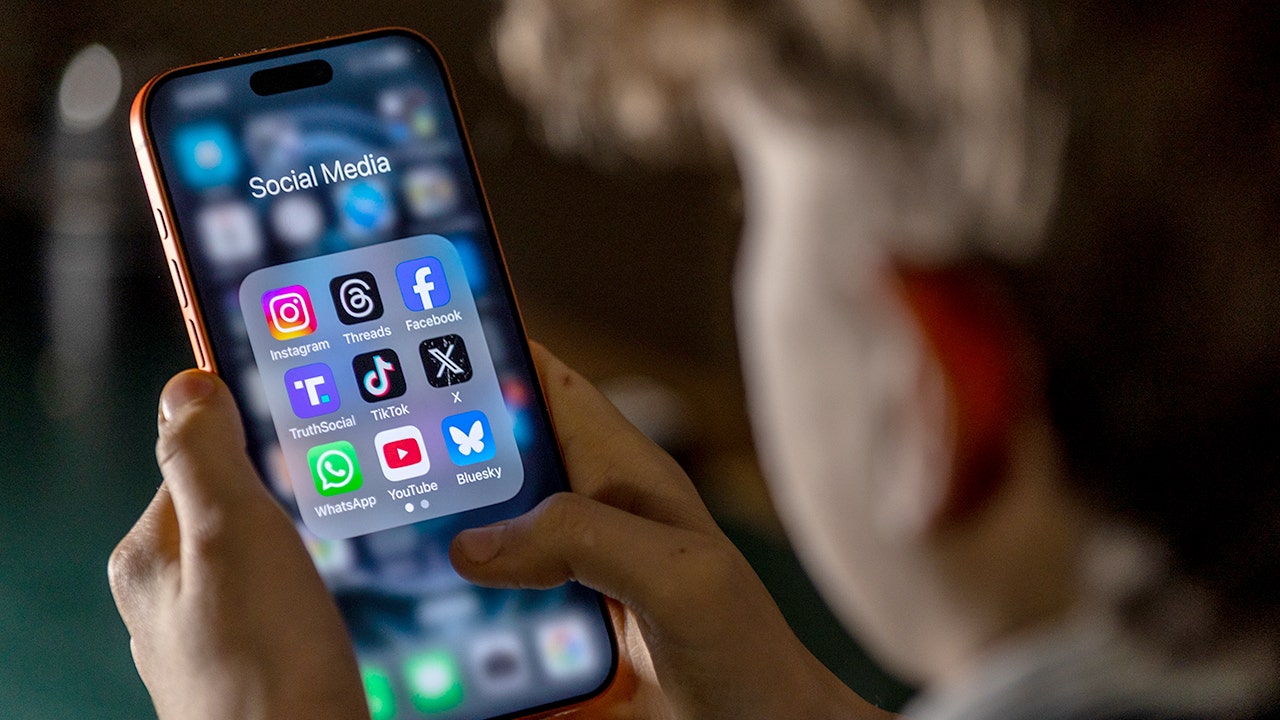
Britain’s government says it will bar children under 16 from major social platforms like TikTok, Snapchat, YouTube, Instagram, Facebook and X, carving out exceptions for encrypted messaging and kid-specific services, and backing heavy fines for companies that don’t comply as part of a global wave of age-focused regulation.
Prime Minister Keir Starmer announced a plan that would push tech firms to stop kids under 16 from creating or using accounts on mainstream social media, and he made clear the state will aim enforcement at companies, not children. Messaging apps such as WhatsApp and Signal, plus YouTube Kids, are set to be excluded from the ban, which officials expect to begin early next year. Starmer admits enforcement won’t be neat and that some teens will try to get around the rules, but he says government action is required. The package is billed as a parental safeguard meant to curb harms tied to extended online exposure.
Starmer put the argument bluntly: “Every parent can see it with their own eyes. Social media is making children unhappy,” and he added, “I’ve heard first hand from families crying out for change and we will do right by them.” Those lines sit at the center of the government’s pitch, and they aim to turn public frustration into political momentum. The plan relies on platforms building age-verification and blocking tools or facing multimillion-dollar penalties if they fail to act.
This move puts Britain alongside nations that are already wrestling with youth access to social networks, and it follows similar pushes from Australia, Canada, Brazil and others. Governments across Europe and Asia are debating or implementing rules that set age floors, arguing the harms to mental health and safety justify tighter controls. Tech companies say blunt bans risk driving kids toward less visible, less moderated spaces where the risks could increase rather than decrease.
The UK consultation that fed into the decision drew 116,000 responses, making it one of the most engaged public exercises Westminster has run in years, and officials report overwhelming support for an under-16 threshold. Starmer framed that turnout and sentiment as a mandate to shift responsibility onto platforms rather than parents alone. Critics, including some foreign officials, warn regulators to be careful about free speech implications and the practical burdens of policing global services.
Platforms face a choice: build systems that reliably stop underage users or face financial penalties when they fall short. Regulators plan to focus enforcement on the companies, not prosecuting youngsters, but the devil will be in the technical details of age checks and how firms verify users without creating new privacy headaches. Tech spokespeople argue that age gates can push users into anonymous corners of the web where moderation is weaker, a point likely to animate the upcoming debates.
The policy also has an international angle: Starmer expects to raise the issue at the G7 summit and with allied leaders, even mentioning plans to discuss it with President Donald Trump and other global figures. That signals an attempt to build cross-border consensus, or at least to spotlight the UK as a leader on youth protections online. The US Embassy in London has urged regulators to craft narrowly tailored rules that avoid trampling free speech while recognizing the potential strain on American tech firms.
Ahead of rollout, expect legal fights, technical wrangling and loud public arguments about what counts as a safe online experience for teenagers. Lawmakers, parents and platform operators will spar over enforcement mechanisms, the reach of exemptions, and whether age limits actually make kids safer. The coming months will reveal whether this approach curbs harms or simply reshuffles the places where young people spend their time online.
