
This piece examines why solar power, despite rapid growth and falling costs, faces physical, logistical, and economic hurdles that make it unlikely to fully replace nuclear energy in the near term, and it outlines the practical trade offs, grid realities, and technology gaps that keep nuclear as a core low carbon option.
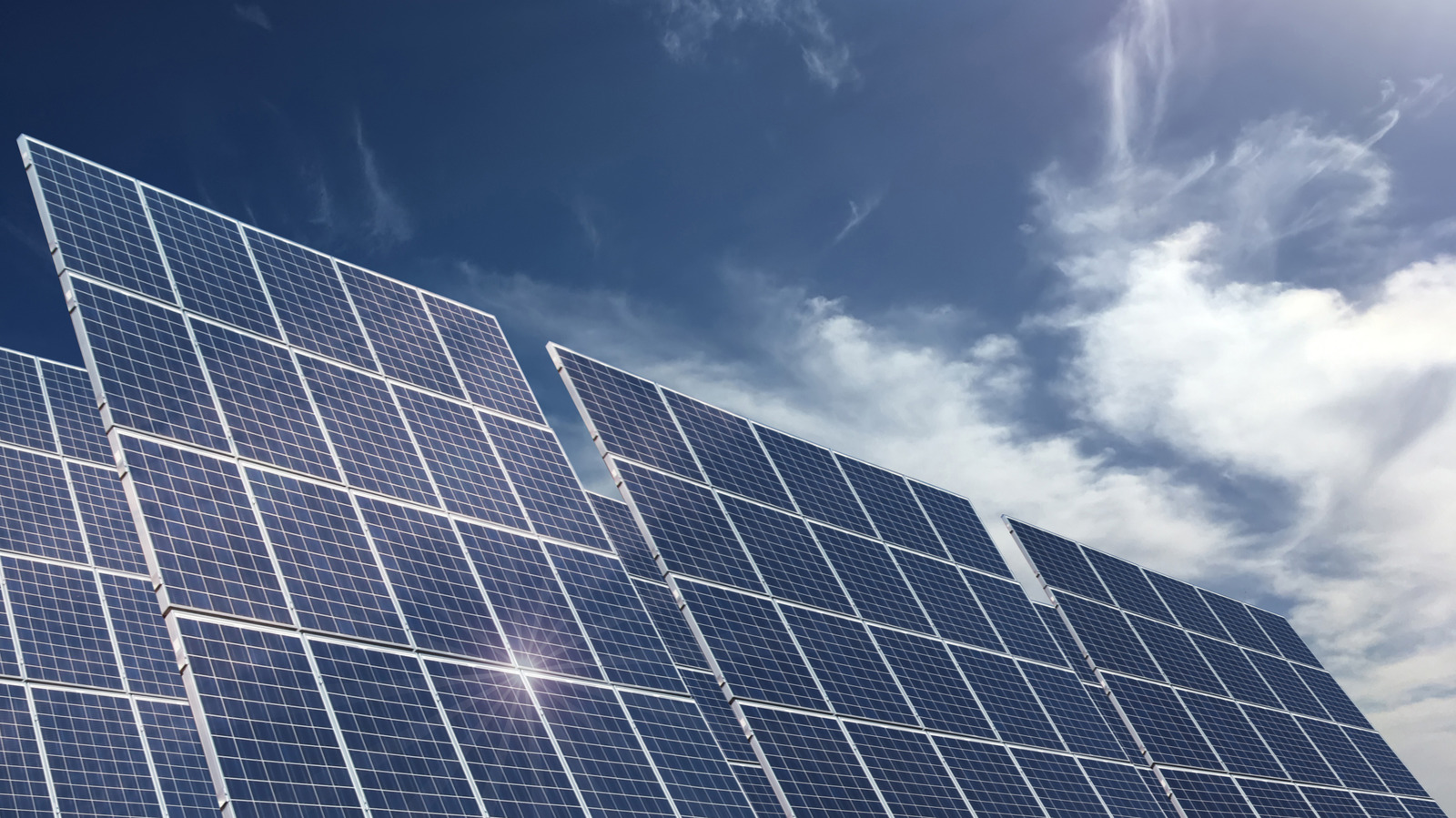
Solar has been a headline success for clean energy deployment, yet size matters. Utility nuclear plants produce vast, steady power from compact footprints, while solar requires far more land and dispersed installations to match that output. That difference in energy density shapes major planning and transmission decisions.
Intermittency is not just an inconvenience, it is a system-level constraint. Sunlight is predictable on a daily cycle but not continuous, and clouds, seasons, and night create gaps that must be filled. Batteries and other storage systems help, but they add significant costs and material demands when you try to cover long periods without sun.
Building enough storage to make a solar-heavy grid reliable multiplies both expense and supply chain strain. Large battery systems need lots of lithium, cobalt, and other critical minerals that are geopolitically concentrated and costly to scale quickly. That means storage rollouts face the same resource constraints that slowed earlier industrial transitions.
Transmission and siting are another practical barrier for solar dominance. Prime solar regions are often far from dense demand centers, requiring new transmission lines that take years to permit and build. Those lines also bring land use conflicts and additional costs that are easy to underestimate in optimistic scenarios.
Nuclear provides stable baseload power that complements intermittent sources without requiring the same volume of storage or transmission upgrades. Modern reactors operate at high capacity factors, delivering steady output day and night and smoothing the grid at scale. That operational profile reduces the need for redundant firming capacity and can lower overall system costs when balanced with renewables.
Economics matter in real projects, not just models. While solar module prices have plunged, total project costs include installation, interconnection, land, and integration expenses that grow as deployments scale. Nuclear projects face capital intensity too, but they can provide long-lived, high-capacity generation that amortizes those costs over decades.
Lifecycle and resilience considerations also feed the conversation. Solar plus storage chains require continuous supply of replacement batteries and panels, while nuclear inventories for fuel and parts follow different cycles. Grid resilience planning must weigh how systems perform through prolonged adverse weather or supply disruptions.
Policy choices change the balance but do not erase physics. Incentives, permitting reform, and targeted R and D can accelerate both solar and storage, yet they cannot magically increase sunlight or compress fundamental material needs. Investment in a diverse technology mix, including safer and modern nuclear designs, reduces risks associated with overreliance on any single approach.
Practical energy planning looks beyond simple headlines and counts the real costs of reliability, land, materials, and transmission. Solar will keep growing and play a vital role in decarbonization, yet at current technological and economic conditions it is unlikely to outright replace nuclear for large-scale, continuous power in the near future. Policymakers and grid operators should focus on pragmatic blends of technologies that deliver clean, affordable, and reliable electricity for decades to come.
