
Young adults are filing back into pews in noticeable numbers, and this piece looks at why that matters for faith and the future of our politics. I trace the cultural causes, a personal parallel, and why a renewed hunger for transcendence could steer a generation away from secular promises and toward a firmer moral and civic order.
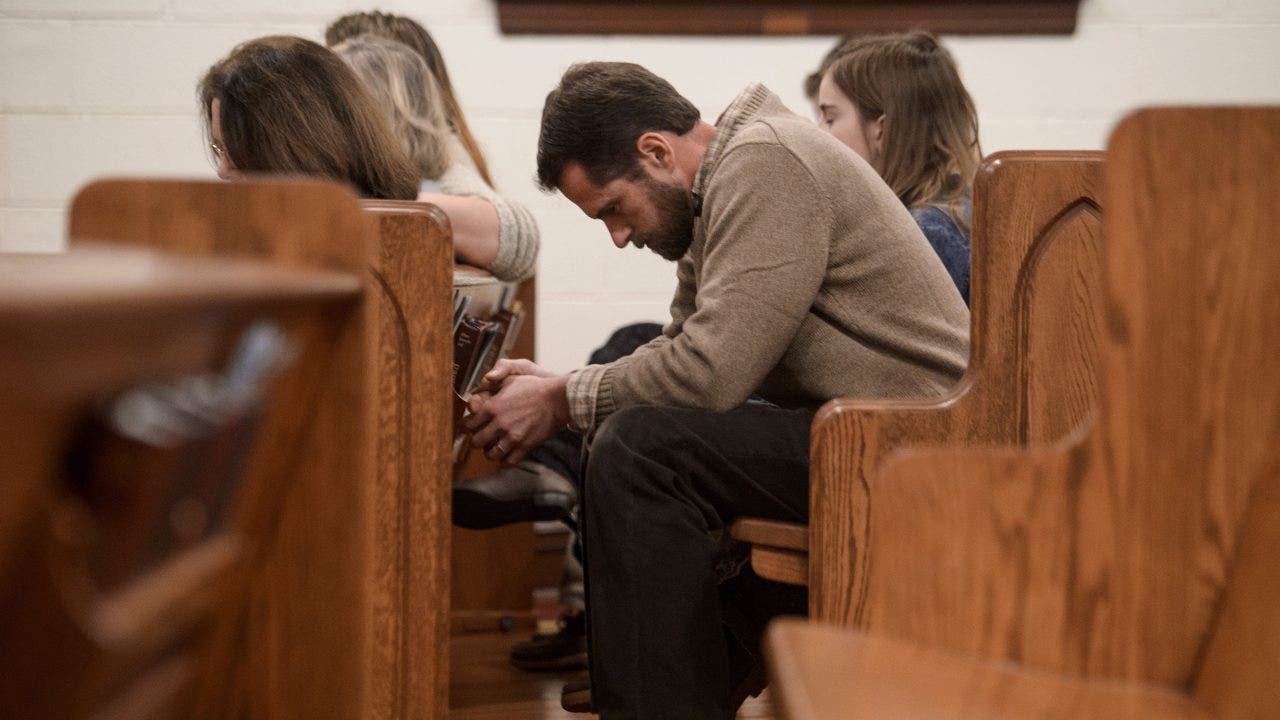
If you’ve been to church lately you’ve probably noticed younger faces in the congregation, not just parents with kids but twenty-somethings sticking around. That shift didn’t creep up slowly — it hit like a wave, and the numbers confirm it. A recent Gallup measure showed 42% of young men saying religion is “very important” in their lives, the highest in a quarter century and up sharply from last year.
Barna’s work also picks up the trend, noting that Gen Z is attending more often than older cohorts and calling it a historic reversal. Sociologists who expected religion to fade are trying to explain why the kids are choosing church over the endless scroll. The obvious answer is simpler than a spreadsheet: people chasing meaning found what social media and politics couldn’t deliver.
POLL FINDS SHARP RISE IN YOUNG MEN CALLING RELIGION ‘VERY IMPORTANT’
I see part of this in my own life. Raised Catholic, I walked away during college, thinking freedom meant casting off the old rules and living on my own terms. Like many in the sixties I chased self-expression and the doctrines of the day, only to feel oddly hollow after the novelty wore off.
I came back to the church in my mid-twenties, and the reason felt plain: faith gives structure, direction, and a community that asks more of you than comfort. That hunger for something reliable and transcendent is what today’s young adults seem to be answering. They’re trading a culture of constant accommodation for something that calls them higher.
Compare the 1960s with the last decade and you see the same pressures: progressive overreach, moral confusion, and a public square that often rewards outrage over virtue. Many young people tried political activism and identity-based belonging and found it left them rootless. In searching for deeper answers they’re discovering the power of community, ritual, and purpose forged through struggle, sacrifice, and service to something larger than themselves.
FAITH REVIVAL FOLLOWS CHARLIE KIRK’S DEATH AS MORE PEOPLE ATTEND MASS AND READ THE BIBLE
After the assassination of Charlie Kirk last September, Bible sales jumped 36% in a single month. Those purchases weren’t about politics alone; they were a response to mortality, to witness, and to questions social media can’t answer. Sales reached a 21-year high in 2025, double what they were in 2019, and that kind of cultural shift has real downstream effects.
This moment could blossom into something that reshapes civic life. A generation that rediscovers the transcendent will be less likely to let the state stand as the ultimate authority and more likely to champion family, local institutions, and religious liberty as central to a free society. That’s the kind of civic orientation that, historically, has aligned with conservative renewal and the Reagan-era turn toward moral clarity.
None of this guarantees a tidy political sweep, but it does suggest a longer cultural realignment. Young people who find meaning in worship and service are less prone to despair, less likely to embrace nihilism, and more likely to build communities that prize order and responsibility. If that tilt continues, it could pull our politics back toward shared norms and away from the corrosive extremes that have dominated recent discourse.
History shows the appetite for God and meaning never fully vanishes; it can be suppressed but not erased. If this resurgence persists, the implications for education, family policy, and civic life will be substantial and, from a conservative perspective, hopeful — a chance to return to a public culture that prizes virtue, stability, and liberty grounded in faith.
