
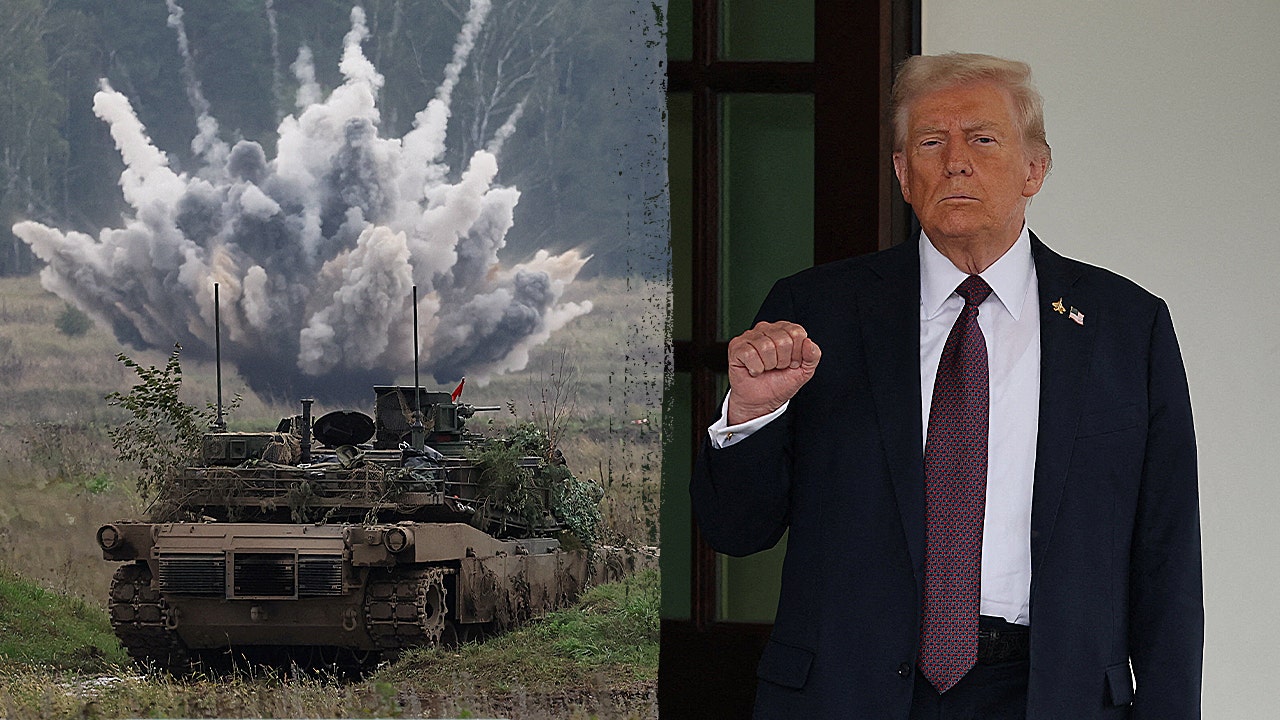
This piece looks at how President Trump approached the Ukraine crisis in his second term, why his tactics differed from the Biden era, and what practical steps could keep Ukraine defending itself while pushing NATO allies to shoulder more of Europe’s security burden.
When Trump ran, critics warned he would hand Ukraine to Vladimir Putin in a blink, but that prediction hasn’t come true. Instead of a rapid capitulation, the administration treated the conflict as a long game, keeping channels open with both Kyiv and Moscow while insisting on results. That steady, transactional posture has forced allies and partners to sharpen their own commitments.
Trump expected Ukraine to be a quick fix, and reality has been messier than advertised. What looked like the easiest foreign policy challenge turned into one of the most complicated problems on the president’s desk. Still, the administration stayed engaged and focused on outcomes rather than headlines.
Ukrainian forces have begun pushing back and reclaiming ground in contested regions, which has changed the tone of the conflict. Reports from inside Russia suggest growing strains and doubts about a clear victory for the Kremlin. War weariness and logistics problems are exposing cracks in Moscow’s campaign.
Congress recently approved a targeted package of military assistance, reflecting grudging bipartisan agreement that supporting Ukraine is in America’s interest. The measure combined direct aid with loan guarantees to help allies buy weapons over time. That kind of focused support contrasts with promises of open-ended backing without clear conditions.
Before the U.S. slides back into the Biden-era habit of committing to open-ended aid “for as long as it takes,” policymakers should look hard at what actually works on the battlefield. Unconditional, perpetual funding risks wasting resources and leaving America holding the bag for problems Europe should be addressing. A practical, results-driven approach is a better way to protect U.S. interests.
The early Oval Office encounter with President Zelenskyy set a different tone than the prior administration’s. Rather than offering political theater, Trump pressed Ukraine’s leadership to build capacity and show strategic accountability. That confrontation appears to have pushed Kyiv to speed up indigenous weapon development and battlefield innovation.
One of the most consequential developments has been Ukraine’s ramp-up of long-range attack drones capable of striking supply lines and key infrastructure inside Russia. These systems have disrupted resupply and forced Moscow to spread its defenses thinner. Ukrainian ingenuity on the cheap has become a serious multiplier for their military effort.
At the same time, allied procurement strategies have changed. European partners are increasingly buying U.S. systems for transfer to Ukraine under prioritization lists, shifting some burden off American direct aid. That mix of allied purchases and U.S. support is exactly the sort of burden-sharing NATO should embrace if it wants a sustainable posture.
Zelenskyy’s recent request to license production of PAC-3 interceptors underscores a broader point about industrial capacity. U.S. production of Patriot interceptors runs at roughly 60 per month while Ukraine estimates it needs about 70 per month for its defense. Co-production arrangements could ease bottlenecks and keep sensitive technology protected while helping Ukraine and allies meet urgent needs.
A successful co-production model would be a win-win: it lets America remain the security partner of choice while expanding allied manufacturing and reducing supply risk. If safeguards protect critical tech and a share of revenues returns to U.S. industry, these partnerships would strengthen NATO as a whole. This is how the alliance can modernize without asking the United States to carry the whole load.
Heading into the NATO Summit in Ankara, the U.S. should highlight progress and insist that Europe step up. Trump’s commitment to a historic defense budget sends a clear message that the alliance must translate words into real capability. Stronger European defenses make America safer and force Putin to face a united front he cannot outspend or outmaneuver.
Signs of trouble in Russia—labor abuses, recruitment shortfalls and looming economic stress—mean the Kremlin’s path to victory is far from certain. Rather than betting on quick deals that leave Europe exposed, the pragmatic course is to back Ukraine’s fight while building NATO’s industrial and defensive muscle. Doubling down on smart, conditional support and allied burden-sharing is the clearest way to deter further Russian aggression.
