
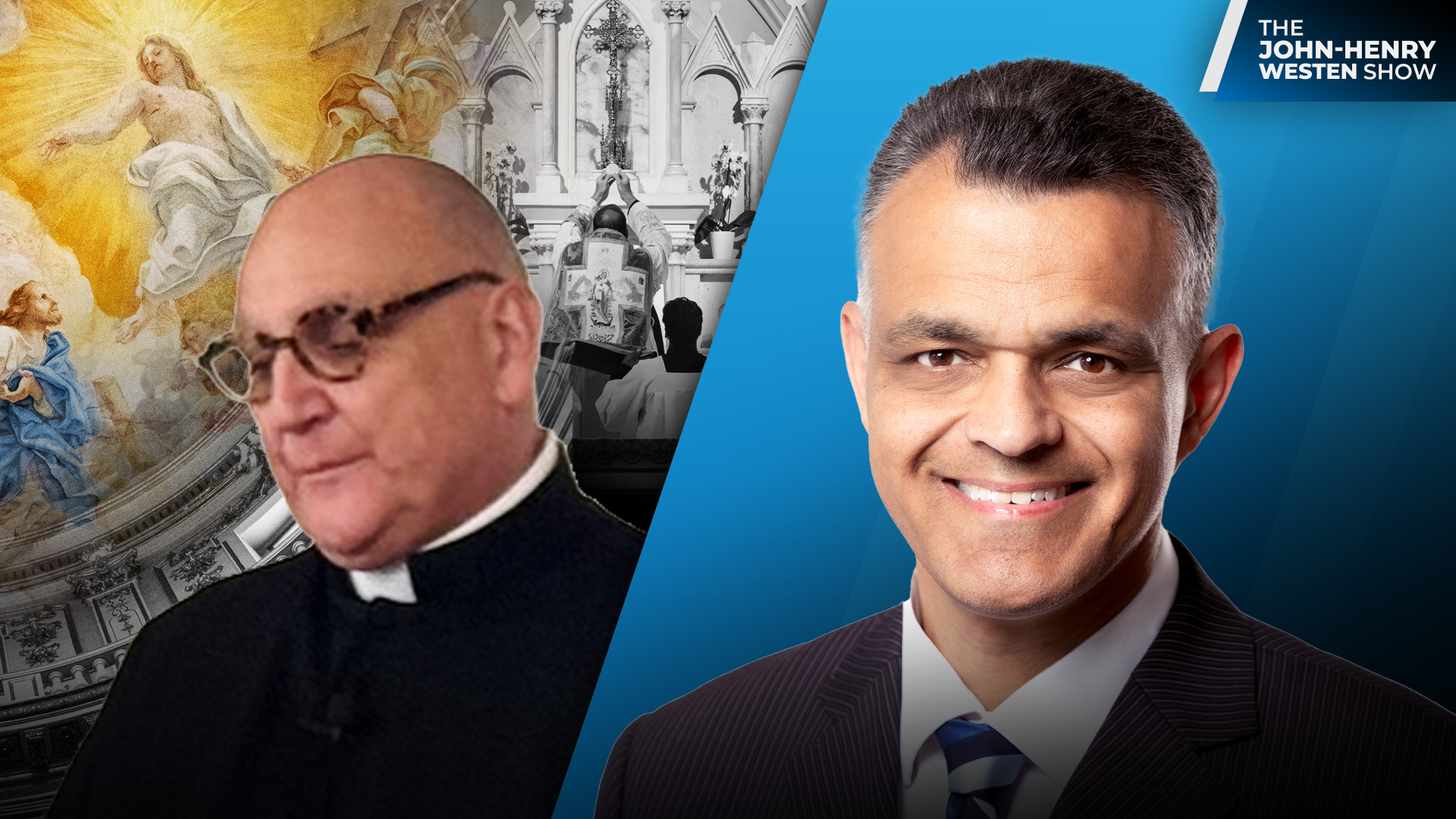
Fifty years in the priesthood gives a rare vantage point, and Father John Perricone uses it to trace a dramatic shift in Catholic worship and practice. He remembers a Church where reverence and the tabernacle were central, a place where the faithful understood what they believed and why. Then liturgical and cultural changes swept through parishes, leaving many rituals and expectations unmoored.
Reverence became taboo. The sacred became optional. Perricone recalls how everyday signs of devotion that once felt natural were sidelined, and that loss reshaped how priests and people behaved in church.
He points to a turning point after the council, but he stresses it was not the council alone that altered the landscape. What followed was a rapid unraveling of customs, catechesis, and a sense of shared language about the holy. That unraveling left both priests and laity unsure of roles they had long trusted.
The priesthood itself went through an identity test, with many ministers trying to reconcile new pastoral priorities with older sacramental instincts. Some adapted by emphasizing social outreach and accessibility, sometimes at the expense of the ritual that signals transcendent truth. Others struggled publicly and privately, caught between pastoral charity and a sense that something essential had been set aside.
Loss of clear catechesis fed the confusion. When generations stopped being taught the reasons behind liturgical practices, those practices could be dismissed as optional or irrelevant. Perricone highlights how trust frays when parishioners no longer see continuity between Sunday worship and the doctrine taught in classrooms and homilies.
Practical changes in parishes reinforced a new normal: altars rearranged, language simplified, gestures minimized, and a move away from symbols that once focused attention upward. For many people, these alterations meant Mass felt more like a meeting and less like an encounter with the sacred. The consequences ripple outward, affecting how families pass on faith and how young people perceive the Church’s seriousness about truth.
Yet Perricone does not call for a return to the past out of nostalgia alone; he argues for restoring clarity, reverence, and formation so the faithful can again grasp what the sacraments signify. That means stronger teaching about why liturgy matters and why certain gestures or furnishings have lasting value. It also requires honest conversations among bishops, priests, and parishioners about the balance between pastoral care and preserving the mystery of worship.
Listening to priests who have served for decades reveals patterns that are hard to ignore: when reverent practice declines, participation can shrink and the sense of the Church as a transmitter of truth suffers. Perricone’s account encourages renewed attention to training, to how parishes celebrate, and to how parents and catechists can hand on a coherent faith. The goal is not to replicate an earlier era slavishly but to recover a confident sense of the sacred that invites rather than intimidates, that forms rather than confuses, and that helps people know what they believe and why.
